The energy crisis in Cuba has become even more apparent since the onset of the U.S. blockade on oil shipments, plunging vast areas of the nation into darkness.
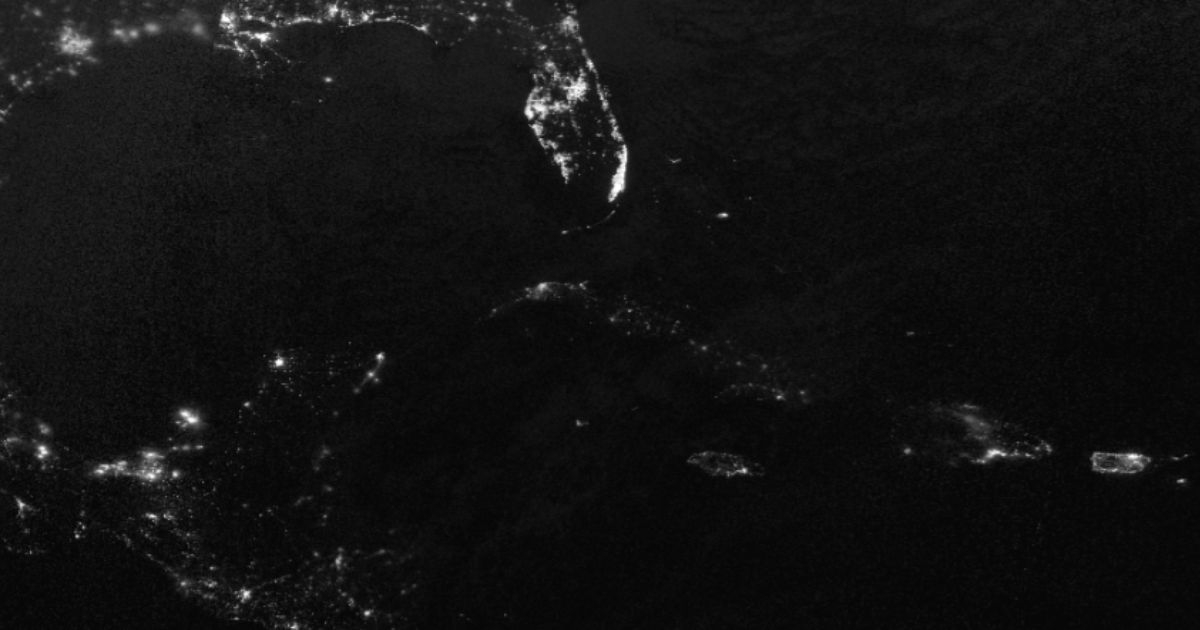
A study conducted by Bloomberg using satellite imagery highlights a drastic 50 percent reduction in nighttime light intensity across several Cuban cities compared to historical levels.
In a recent admission, Cuban leader Miguel Díaz-Canel acknowledged that power outages have worsened in Havana and other provinces as the regime opts to prioritize electricity for the economy.
The Bloomberg report, drawing on data from NASA and other cartographic sources, indicates a significant decline since the start of the year.
The island's electrical grid was already fragile before a major transmission line failure in December severed the connection between Havana and key thermoelectric plants in Matanzas.
This situation was exacerbated when the Trump administration halted fuel shipments that accounted for nearly 60 percent of the approximately 100,000 barrels needed daily to sustain power generation.
Satellite evidence shows that eastern cities like Santiago de Cuba and Holguín have experienced the most severe drops in nighttime illumination.
Streetlights and residential networks that once kept large urban areas alight now appear significantly dimmed or completely dark.
Havana remains a relative exception. While eastern neighborhoods such as Alamar and Cojímar show reduced light intensity, the heart of the capital remains largely illuminated.
Experts cited by Bloomberg suggest this discrepancy may be due to the political priority given to the government’s seat, alongside a better economic capacity to implement alternative solutions like solar panels and battery systems.
Data from the state-run Unión Eléctrica indicate a sharp decline in daily electricity availability, with the gap between supply and demand reaching unprecedented levels.
This collapse coincides with the disruption of oil shipments from Venezuela following the arrest of Nicolás Maduro on January 3 and Trump's subsequent order to stop energy supplies to Havana.
Mexico, which had also been sending oil shipments, made its last significant delivery on January 9, according to analysis firm Kpler.
Weeks later, Washington's warning about potential tariffs on countries supplying fuel to the island effectively halted this flow.
Since then, Cuba has not received any substantial crude deliveries.
Some analysts speculate that available reserves might cover less than 20 days of consumption, though official figures are lacking.
In response, the government has announced contingency measures, including cutting public transport routes, reducing the state workweek to four days, closing tourist facilities, and limiting gasoline sales.
The situation has intensified pressure on the populace, who face extended blackouts, fuel shortages, and challenges accessing basic services.
Experts caution that unlike the 1990s crisis following the Soviet Union's collapse, the island now has less external support to maintain its energy system, testing an infrastructure already weakened by years of underinvestment and neglect.
Understanding Cuba's Energy Crisis
What has caused the recent energy crisis in Cuba?
The energy crisis in Cuba has been exacerbated by the U.S. blockade on oil shipments and technical failures in the island's electrical grid, leading to significant power outages.
How has the situation affected Cuban cities?
Satellite images reveal that cities like Santiago de Cuba and Holguín have experienced severe reductions in nighttime lighting, while Havana's central areas remain better lit.
What measures has the Cuban government taken to address the crisis?
The government has implemented measures such as reducing public transport routes, shortening the state workweek, closing tourist facilities, and restricting gasoline sales to cope with the crisis.