The Cuban government has initiated a public consultation on a proposed new Housing Law that could potentially replace the General Housing Law of 1988. This proposal aims to significantly alter property ownership regulations on the island.
The housing crisis in Cuba, with a shortage exceeding 900,000 homes and over a third of existing housing in poor condition, demands urgent reforms. The proposed law introduces structural changes to the real estate policy, addressing long-standing public demands.
Key Features of the Proposed Housing Law
One of the most groundbreaking changes is the end of property confiscation for individuals who permanently move abroad. Under this new proposal, Cubans residing overseas would be able to keep, inherit, and transfer their properties without the risk of losing them due to their absence from the country. This marks a monumental shift from past policies that resulted in automatic property loss upon emigration, creating legal insecurity for countless families. Now, emigrants' property rights would be formally aligned with those of residents in Cuba.
Expanded Property Ownership
The proposal also permits individuals to legally own up to two homes, along with a "vacation home" in recreational areas like beaches or mountains. Previously, ownership was heavily restricted, and this new flexibility could have significant effects on the real estate market and property inequality. However, many Cubans still face economic hurdles in securing even one adequate home.
Simplified Property Transfers
Streamlining the process for buying, selling, and inheriting properties, the proposal aims to remove historical administrative barriers. The same rights would apply to both residential and vacation properties, reducing local government discretion and promoting a more dynamic real estate sector.
Introduction of Mortgages
For the first time, the concept of mortgage financing appears in Cuban legislation, allowing families to purchase or build homes with long-term loans secured by the property itself. Currently, options are limited to personal savings, remittances, or gradual construction. The success of this initiative will hinge on financial conditions, interest rates, and the ability of citizens to pay in a country where state wages lag behind inflation.
Prioritized Subsidies
The proposal outlines priority groups for housing benefits, including natural disaster victims, overcrowded families, young workers, large families, the elderly, people with disabilities, and domestic violence survivors. A special focus on youth access to housing acknowledges the barriers they face in the housing market. Yet, the availability of resources and building materials remains a critical challenge.
Rental Market Changes
By increasing the proportion of rental properties and explicitly allowing subleasing, the proposal aims to expand options in a market plagued by scarcity and high informal prices. The goal is to energize the formal rental market and provide alternatives for those unable to purchase homes. The impact will depend on price regulation and the state's ability to enforce rules without adding bureaucratic hurdles.
Addressing Housing Deterioration
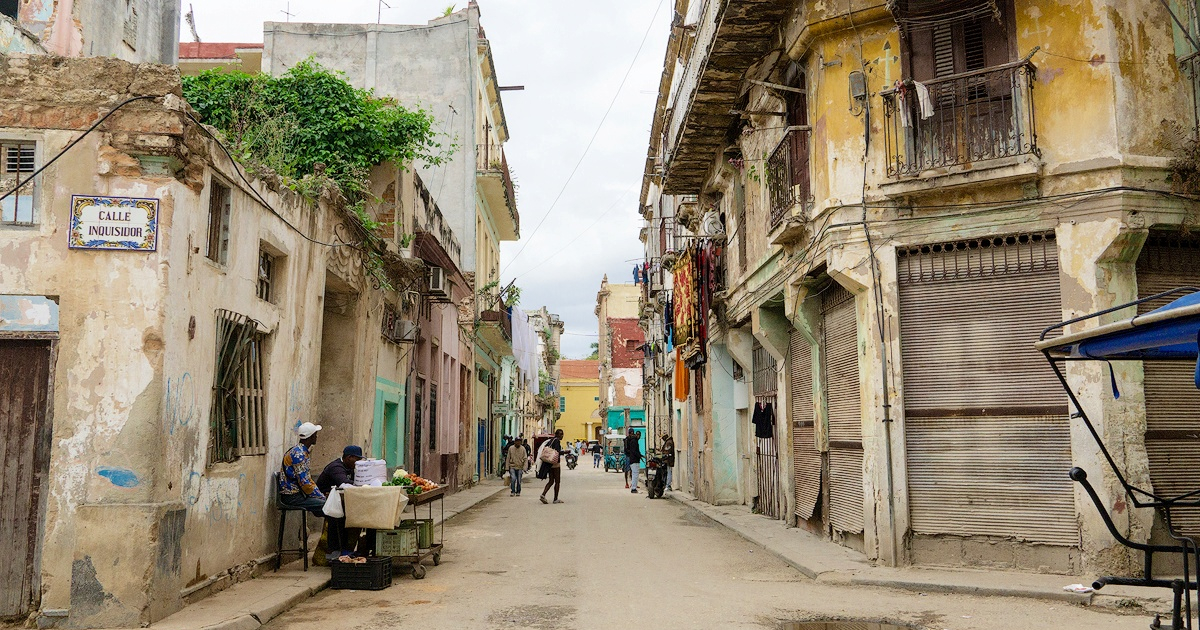
Cuba's housing stock, comprising approximately 4.1 million homes, has about 1.4 million in poor or fair condition. The proposal suggests the state should oversee the structural repair of severely deteriorated buildings through comprehensive programs. It also empowers residential administration boards to manage maintenance funds, hire services, lease common areas, and secure loans, addressing the widespread structural decay, especially in cities like Havana.
Streamlining Regulations
The government acknowledges that fragmented legislation has led to a lack of oversight and delays. With nine decrees and 127 housing-related regulations, the new law seeks to consolidate the legal framework, simplifying procedures and reducing bureaucracy in a context where housing construction and legalization progress at a snail's pace.
Challenges in Implementation
Economic conditions play a crucial role. In the first half of 2025, only 2,728 homes were built, reflecting a mere 0.1% annual growth. With a housing deficit surpassing 929,000 units, construction is far from meeting the nation's needs. Without increased production of materials, financing, and construction capabilities, the new law might face substantial practical limitations.
Next Steps for the Proposed Housing Law
The public consultation will continue until February 28, 2026. Feedback can be submitted via the official email provided by the Ministry of Construction. After reviewing public input, the ministry will draft the final version to be presented to the National Assembly of People's Power, likely before the year's end. While the proposal introduces significant changes in property and financing, its success hinges on its ability to deliver tangible solutions for the many Cuban families still awaiting decent housing.
Understanding Cuba's New Housing Law Proposal
What is the most significant change in the new housing proposal?
The elimination of property confiscation for Cubans who emigrate permanently is a major change. This allows expatriates to retain, inherit, and transfer their properties without losing ownership due to their absence from the country.
How does the proposed law impact property ownership?
The proposal allows individuals to own up to two homes and an additional vacation home, significantly relaxing previous ownership restrictions and potentially influencing the real estate market and property inequality.
What new financial mechanism is introduced in the proposed law?
For the first time, mortgage financing is introduced, enabling families to purchase or construct homes using long-term loans secured by the property itself.
Who are prioritized for housing subsidies in the proposal?
Subsidies are prioritized for victims of natural disasters, overcrowded households, young workers, large families, the elderly, people with disabilities, and domestic violence survivors.