The survival economy in Cuba is placing significant strains on Spanish businesses, from major companies like airlines and hotel chains to small and medium enterprises. They have been compelled to downsize or alter their operations on the island, as reported by EFE, based on accounts from investors with stakes in the country.
According to entrepreneurs interviewed by the agency, the business environment is becoming increasingly challenging, especially after the capture of Nicolás Maduro by the United States on January 3. This event led to the cessation of oil exports from Venezuela to Cuba and intensified pressure on other suppliers.
That same week, widespread power outages affected 64% of the island, leading to fuel rationing and a local currency hitting record lows, EFE adds.
Following Maduro's capture, the U.S. declared an end to Venezuelan crude shipments to Cuba—Venezuela previously supplied 30% of the island's oil. On January 29, Trump signed an order threatening tariffs on those supplying crude; additionally, reports indicated that Mexico and Russia had stopped oil shipments.
Operating in Cuba: An Increasing Challenge
An anonymous Spanish entrepreneur with over 20 years of experience in Cuba mentioned to EFE that the current circumstances make it "even more difficult" to operate on the island. Many prefer to remain unnamed "to avoid further complications."
The agency notes that the only authorized business association in Cuba, which includes about 150 Spanish entrepreneurs, declined to comment.
Business sources consulted describe a "complex" business climate, stressing the need to update contingency plans amid an uncertain future, mirrored by the decline in tourism and hotel occupancy rates, which hover around 20%, compared to the 70-75% considered healthy for the industry.
Tourism Sector Under Duress
Spanish interests are chiefly concentrated in tourism, a sector that has significantly declined since the thaw in U.S.-Cuba relations during the Obama administration, which saw 4.7 million international travelers. By 2025, Cuba recorded 1.8 million entries.
According to data from the Spanish Ministry of Economy cited by the agency, as of mid-last year, there were approximately 10 management contracts handled by Spanish chains, encompassing around 30,000 rooms, mainly in four and five-star hotels.
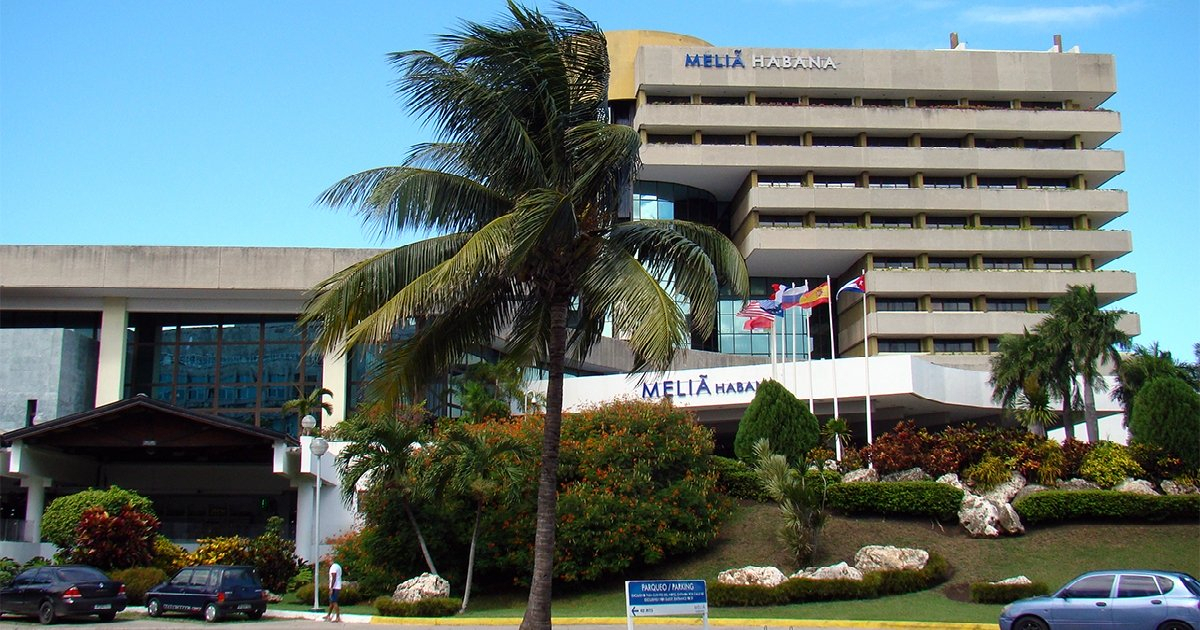
EFE reports that Meliá and Iberostar recently closed five hotels, while NH exited Havana.
Meliá attributed the closure of three out of its 35 managed hotels to low occupancy levels and the need to adapt to supply constraints.
Aviation Adjustments Due to Fuel Shortages
The fuel crisis has also impacted aviation. EFE notes that Cuban authorities notified airlines via a NOTAM about fuel shortages at the country's nine airports, prompting Canadian and Russian airlines to suspend flights.
For Spanish airlines like Iberia, Air Europa, and World 2 Fly, the agency states they chose to maintain connections but added a refueling stop in Santo Domingo on their return from Havana to Madrid.
The report highlights that over 50% of investment projects in Cuba come from the EU, with Spain as a prominent investor in tourism, light industry, financial services, food industry, and cement, among others.
The precarious financial situation makes ensuring payment crucial. The Spanish Ministry of Economy warns of significant payment defaults since late 2015 and advises "extreme caution," a sentiment echoed by entrepreneurs consulted by EFE.
Regarding trade figures, Spain's exposure in Cuba is limited: exports account for 0.18% of the total, and between January and November 2025, Spain recorded a trade surplus of 534 million euros; it exported 636 million euros (a 13.1% year-on-year decrease) and imported 102 million euros (a 0.6% increase), mainly tobacco and rum.
FAQs on Spanish Business Challenges in Cuba
What are the main sectors affected by the Cuban crisis for Spanish businesses?
The tourism sector, aviation, and industries such as light manufacturing, financial services, and food processing are significantly impacted.
How has the end of Venezuelan oil exports affected Cuba?
The cessation of oil exports from Venezuela has led to severe fuel shortages, causing widespread power outages and operational challenges for businesses.
Why are Spanish businesses urged to exercise caution in Cuba?
Due to significant payment defaults and economic instability, the Spanish Ministry of Economy advises businesses to proceed with caution in their Cuban operations.