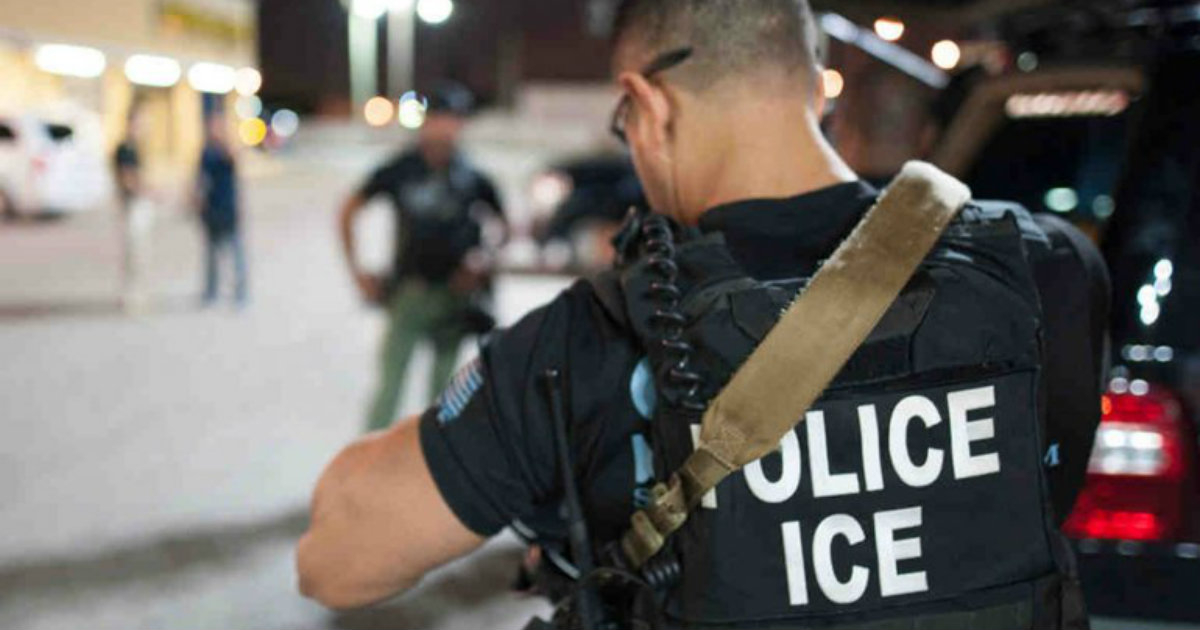
As of the first minute on February 14, the U.S. Department of Homeland Security (DHS) has officially entered a partial government shutdown, following the Senate's failure to secure funding. This development brings renewed uncertainty to vital agencies under DHS, including the controversial Immigration and Customs Enforcement (ICE).
The impasse occurred as the DHS's funding lapsed without an agreement between the White House and Democrats. Democratic lawmakers demanded additional restrictions on President Donald Trump's immigration agenda, such as changes in the conduct of federal agents and visible identification requirements during operations.
According to the Associated Press, Trump agreed to separate DHS funding from a broader spending package to allow more time for negotiations on immigration law enforcement changes. However, DHS only received temporary funds until February 13. With that deadline passed, the shutdown was triggered.
Which Agencies Are Impacted?
This time, unlike last fall's historic 43-day shutdown, the impact is confined to the DHS. Agencies affected include:
- Immigration and Customs Enforcement (ICE)
- Customs and Border Protection (CBP)
- Secret Service
- Federal Emergency Management Agency (FEMA)
- Transportation Security Administration (TSA)
The rest of the federal government is funded until September 30, ensuring that programs like food assistance and most federal and military salaries will continue uninterrupted.
What Happens to ICE?
Despite the shutdown, ICE operations will proceed. Republicans have pointed out that both ICE and the CBP have significant funding approved last year as part of Trump’s tax and spending cuts package. This package allocated approximately $75 billion to ICE and around $65 billion to the CBP, ensuring they can continue deportation and immigration control operations largely without immediate disruption.
Impact on Federal Workers
The human toll of the shutdown once again falls on federal employees. Each agency must decide which workers are "essential" or "excepted," designations requiring them to work even without pay until funding is restored. Within DHS, the majority of staff fall into these categories. Of DHS's over 270,000 employees, more than 258,000 were deemed essential during the previous shutdown, with approximately 22,000 (about 5%) temporarily furloughed.
At the TSA, about 95% of employees are considered essential, meaning agents will continue screening passengers and luggage at commercial airports, albeit without salary until Congress approves new funding. This situation is particularly concerning since many employees are still financially recovering from the prior shutdown. Ha Nguyen McNeill, a senior TSA official, noted, "Some workers are just now recovering from the 43-day shutdown's financial impact. Many are still reeling from it."
Effects on Travelers
Even though air traffic controllers are not directly affected by the DHS shutdown, experts warn of potential delays. A small increase in TSA absences could result in long lines at smaller airports, especially those with a single checkpoint. Senate Republican leader John Thune warned, "There's a very good chance we'll see more travel problems," akin to the previous shutdown.
Some airlines might delay departures to ensure all passengers complete security checks. Additionally, checked baggage screening could slow down if available staff is reduced. Experts advise travelers to arrive earlier than usual. "I recommend people do this even during normal times," an aviation specialist advised.
Repercussions on Other Agencies
In the Secret Service and Coast Guard, most personnel will continue working but may go unpaid if the shutdown persists. For FEMA, the shutdown constrains the agency’s ability to reimburse states for disaster-related costs. Worker furloughs could also hinder coordination with state and local authorities and disrupt the training of response teams at the National Emergency Management Agency University in Maryland.
As private negotiations continue, the partial shutdown is already in effect. Although ICE and the CBP will maintain operations thanks to pre-approved funds, thousands of federal workers face the uncertainty of working without pay again, and airports may experience pressure if the political stalemate drags on.
Understanding the DHS Shutdown and Its Implications
What caused the DHS shutdown?
The shutdown was triggered when the Senate failed to reach an agreement on funding for the DHS, primarily due to disagreements over President Trump's immigration policies and enforcement practices.
Will ICE operations be affected by the shutdown?
No, ICE operations will continue largely unaffected due to significant funding already allocated in previous budgets.
How does the DHS shutdown impact federal workers?
Federal workers deemed essential must continue working without pay until new funding is approved, affecting their financial stability.