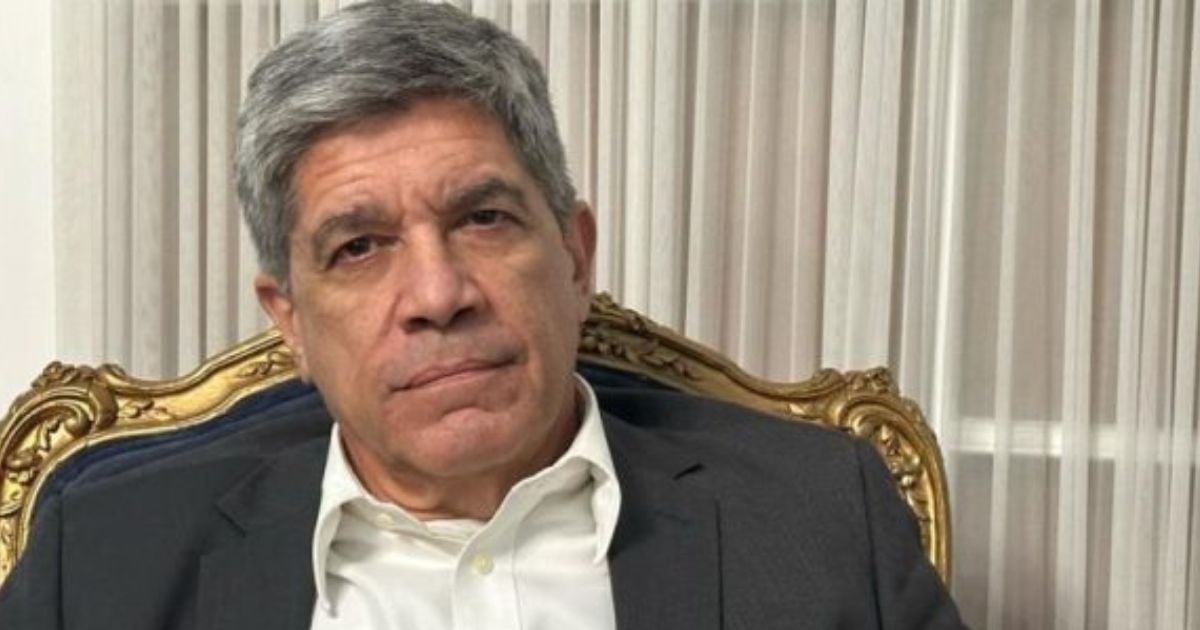
The Cuban government has intensified its rhetoric, describing U.S. efforts to pressure other nations into halting fuel exports to the island as a "crime" and "mass punishment." This comes amid what is being called the most severe energy crisis Cuba has faced in years.
Carlos Fernández de Cossío, Cuba's Deputy Foreign Minister, took to X with a stern warning. He emphasized that Cuba's need for fuel imports is critical; meanwhile, the U.S. is threatening and imposing coercive measures against countries supplying this essential resource. The shortage of oil is crippling public transportation, healthcare services, schools, and food production, and he boldly labeled this "mass punishment" a criminal act.
His statements are part of a broader political campaign that has seen Fernández de Cossío emerge as the regime's chief international voice against the U.S.'s hardening stance towards Havana. From interviews on CNN to comments in international media, he consistently attributes the energy and economic crises to what he calls Washington's "ruthless aggression," rather than internal structural failures. The Cuban government portrays the new pressure on fuel supply—which includes threats of sanctions and trade tariffs against nations exporting oil to Cuba—as deliberate suffocation efforts.
The timing of these official statements is politically sensitive. While decrying "mass punishment," Fernández de Cossío acknowledges "high-level message exchanges" between Havana and Washington, though he denies any formal talks. He remains firm that the Cuban government will not entertain discussions on its political system or constitutional model, despite the mounting pressure.
Fuel has become the focal point of the escalating bilateral tensions. The U.S. has adopted a tougher approach, labeling Cuba an extraordinary threat due to its alliances with hostile entities and intelligence capabilities, while simultaneously aiming to sever the Cuban government's funding and energy supply channels.
In response, the rhetoric from Havana has escalated. Fernández de Cossío has likened the U.S. actions to colonial tactics, asserting that the goal is to "strangle" the Cuban populace to incite political change.
However, the conflict transcends diplomatic exchanges. Fuel shortages have become Cuba's Achilles heel. Without oil, transportation grinds to a halt, power outages become more frequent, and an already struggling economy faces further setbacks. External pressures highlight the internal structural vulnerabilities.
In this context, Fernández de Cossío has become the face of a communications strategy that seeks to place full blame for the crisis on external factors, while dismissing any internal divisions or prospects for transition.
Impact of U.S. Fuel Restrictions on Cuba
How is the fuel shortage affecting Cuba?
The fuel shortage is severely impacting transportation, healthcare services, school operations, and food production across Cuba, exacerbating the island's economic struggles.
What is the Cuban government's stance on U.S. actions?
The Cuban government views U.S. actions as a form of "mass punishment" and "crime," accusing Washington of using coercive measures to prevent other nations from supplying fuel to Cuba.