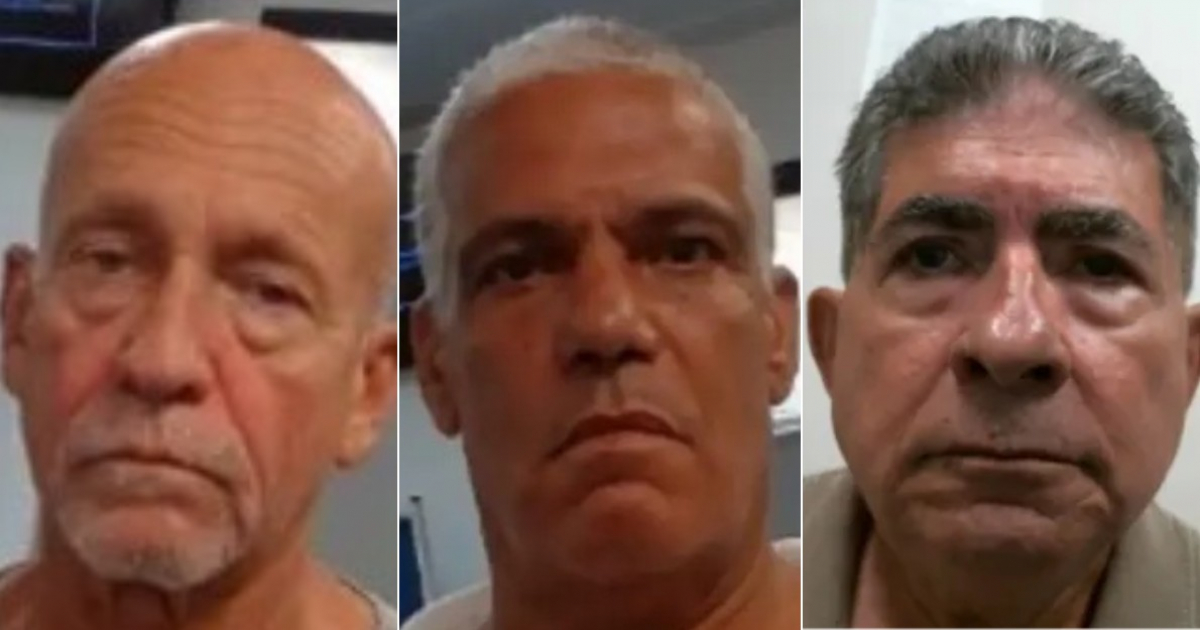
A federal judge in Louisiana has mandated the release of four undocumented immigrants, including three Cubans with significant criminal histories, despite longstanding deportation orders against them. This decision, made on February 6 by Judge John deGravelles, who was appointed during the Obama administration and currently serves in the Middle District of Louisiana, has stirred controversy.
The Department of Homeland Security (DHS) reported that Judge deGravelles granted the release of these individuals from Immigration and Customs Enforcement (ICE) custody. The Cubans—Luis Gastón Sánchez, Ricardo Blanco Chomat, and Francisco Rodríguez Romero—were all previously convicted of homicide and other violent crimes.
The Judicial Decision and Its Implications
In addition to the Cubans, Ibrahim Ali Mohammed, an Ethiopian national convicted of child sexual exploitation, was also released. The DHS, represented by Deputy Secretary Tricia McLaughlin, criticized the judge's ruling, warning of potential increases in crimes like rape, murder, assault, and theft against American citizens.
"Releasing these individuals is reckless beyond belief," McLaughlin stated. "President Trump and Secretary Noem are now enforcing immigration laws by detaining undocumented individuals who have no legal right to remain in this country." She emphasized that the administration's stance is straightforward: "We enforce the law as it's written. If an immigration judge rules that an illegal immigrant has no right to stay, we will deport them. Period."
Background on the Released Cubans
According to the DHS, Luis Gastón Sánchez has convictions for homicide, assault, resisting an officer, concealing stolen property, and multiple counts of theft. His deportation order dates back to September 24, 2001. Ricardo Blanco Chomat was found guilty of numerous crimes including homicide, kidnapping, aggravated assault with a firearm, and drug trafficking, with a deportation order since March 27, 2002. Francisco Rodríguez Romero, another Cuban, had a deportation order from May 30, 1995, following his convictions for homicide and a weapons-related offense.
Mohammed, the Ethiopian national, had a final deportation order issued on September 5, 2024, and was released under the Biden administration.
ICE Detention Expansion and the September List
This legal development occurs months after the DHS announced in September an expansion of ICE detention space at the Louisiana State Penitentiary, often referred to as "Louisiana Lockup." The agreement increased capacity to 416 beds to accommodate undocumented immigrants with severe criminal records.
At that time, the DHS disclosed a list of 51 of the most dangerous undocumented immigrants detained in Louisiana, including more than 20 Cuban nationals and convicts from Venezuela, China, Iran, Russia, and Vietnam. These detainees had convictions for crimes such as murder, rape, and child exploitation.
Ricardo Blanco Chomat, one of the Cubans released, was on this list for his lengthy sentences for murder and other serious offenses. Other names included were Erick Carlos Artiles Ramos, Félix Bartutis Pérez, and Juan Carlos Viera-Guedes, convicted of murder, and Yamil Ballate-Martínez and Maykel Rodríguez Valladares, convicted of sexual offenses.
Renewed Debate Over Judicial Authority
This high-profile case has reignited discussion about the balance between judicial authority and immigration detention policies, as well as the balance between procedural safeguards and public security measures. The list was initially published to highlight the narrative that certain undocumented immigrants with violent histories pose a threat to public safety. However, it has also sparked debate, given that many Cubans without criminal records are seeking refuge and opportunities in the United States amid ongoing immigration debates.
FAQs on Immigration and Judicial Decisions
Why were the Cuban immigrants released despite their criminal records?
The release was ordered by a federal judge based on legal considerations, despite longstanding deportation orders and their criminal histories.
What is the response of the Department of Homeland Security to this decision?
The DHS, particularly Deputy Secretary Tricia McLaughlin, has expressed strong disapproval, citing concerns over public safety and the potential for increased crime.
What is the significance of the ICE detention expansion in Louisiana?
The expansion aims to increase the capacity of ICE to detain undocumented immigrants with serious criminal backgrounds, as part of broader immigration enforcement efforts.