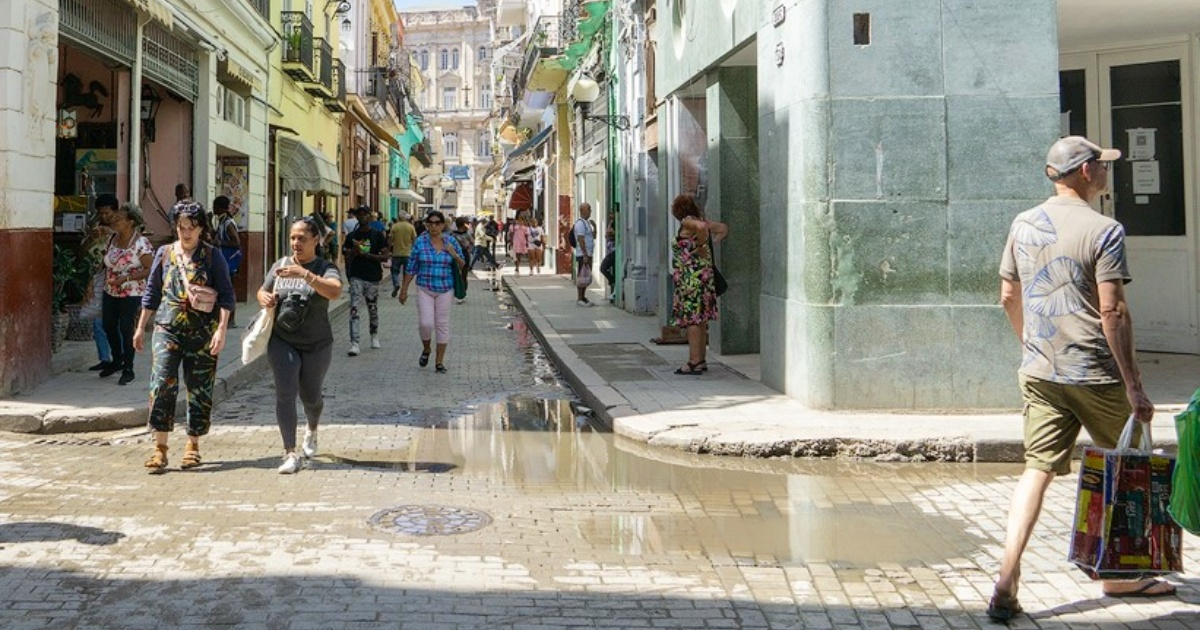
The overall decline in conditions within Cuba has prompted the Swiss Government to issue a stringent travel warning to its citizens regarding visits to the island.
In an update released on Tuesday, the Federal Department of Foreign Affairs (FDFA) advises against traveling to Cuba due to a crisis affecting everything from basic services to personal safety.
Effective from February 11, 2026, the official communication outlines a critical situation: "The shortage of fuel and electricity is severely disrupting daily life."
Essential Services in Jeopardy
The FDFA highlights that power outages are frequent, lasting "several hours or even days," impacting even tourist facilities like hotels. Among the most severe warnings is the inability to guarantee essential services.
The Swiss authority warns, "There are also supply issues with food, particularly essential goods, medicines, and medical equipment. Emergency services are not available."
Even telephone connections and internet access can be fully interrupted for extended periods.
Travel Concerns and Airport Operations
The document advises that only airlines can provide accurate flight information, emphasizing the importance of checking directly with them before traveling, as airport operations are also unstable.
Social Tensions and Security Alerts
Regarding the overall situation in the country, the FDFA cautions that special attention should be paid to personal safety.
"The social situation is very tense," the report states, adding that protests could escalate into violent confrontations with security forces, causing roadblocks and delays.
"Avoid large gatherings and events of any kind. Follow the instructions of local authorities," the FDFA stresses.
Rising Crime: Pickpocketing, Drug Offenses, and Hazardous Taxis
The report doesn't shy away from addressing the rising crime rate.
"The general security situation has deteriorated. Increasing reports of pickpocketing, theft, and armed robbery are concerning, and drug-related crimes are on the rise," warns the document.
Especially alarming is the warning about attacks on buses and thefts involving cars and taxis, sometimes carried out with the complicity of the drivers themselves.
Private accommodations, which are popular in Cuba, are not immune to risk. The Swiss Government recommends ensuring they are properly registered, indicated by a blue triangle on the door.
Transportation Breakdown: Dollar Payments and Long Waits
Transportation on the island is also in a critical state.
"Fuel supply is not guaranteed. Fuel is only available at select gas stations and in small quantities; expect long waits," the document warns. Additionally, only U.S. dollars are accepted as payment at many service stations.
This shortage is compounded by limited train, bus, and taxi services, and the poor condition of roads and vehicles poses a serious risk of accidents, especially at night.
Crumbling Healthcare System and Arbovirus Threat
The Swiss warning also highlights the collapse of the Cuban healthcare system.
"Medical care is not guaranteed," it notes.
The lack of medicines, including antibiotics and anesthetics, together with insufficient infrastructure and patient transport, necessitates considering an immediate return to Switzerland even for minor illnesses or injuries.
Additionally, reports of an arbovirus epidemic, including dengue, chikungunya, zika, and oropoulos, further exacerbate the public health situation in the country.
For those who must travel to Cuba for unavoidable reasons, the FDFA advises bringing a sufficient supply of personal medications and checking international regulations concerning controlled substances before traveling.
Freedom of Expression and Prison Conditions
The Swiss government also cautions that in Cuba, photographing uniformed individuals, military installations, and public buildings is prohibited, and foreign participation in political activities is punishable.
In the event of detention, prison conditions are dire.
"They cannot be compared to those in Switzerland; the economic crisis has led to a deterioration in medical care and food conditions in prisons," the report states.
The increasing number of international warnings underscores the systemic breakdown of Cuban society, affecting not only its citizens but also its primary source of income: tourism.
The discouraged visits to the island by European and American governments will undoubtedly have a significant impact on an already weakened sector, while amplifying the perception of Cuba as an unsafe, unstable destination lacking basic traveler guarantees.
Frequently Asked Questions About Traveling to Cuba
What are the main travel warnings issued by the Swiss Government for Cuba?
The Swiss Government warns of severe disruptions in basic services, a rising crime rate, frequent power outages, and fuel shortages. Travelers are advised to avoid non-essential travel to Cuba.
How is the healthcare system in Cuba currently?
The healthcare system in Cuba is in collapse, with significant shortages of medicines and inadequate infrastructure. The Swiss Government advises travelers to bring personal medications.
Are there any specific recommendations for travelers who must visit Cuba?
Travelers are advised to ensure their accommodations are properly registered, carry sufficient personal medications, and closely monitor travel arrangements due to possible disruptions.