A severe aviation fuel shortage in Cuba is forcing international airlines, including Russian carriers, to reschedule flights, posing a risk of stranding thousands of passengers or causing significant delays in departures from the island.
The specialized aviation news outlet, Aviacionline, reported that the Cuban government notified airlines operating in the country that starting Monday, February 9th, Jet A-1 fuel, essential for commercial flights, is unavailable. This warning, corroborated by the EFE news agency, disrupts a schedule exceeding 400 weekly flights and more than 70,000 seats planned for February alone.
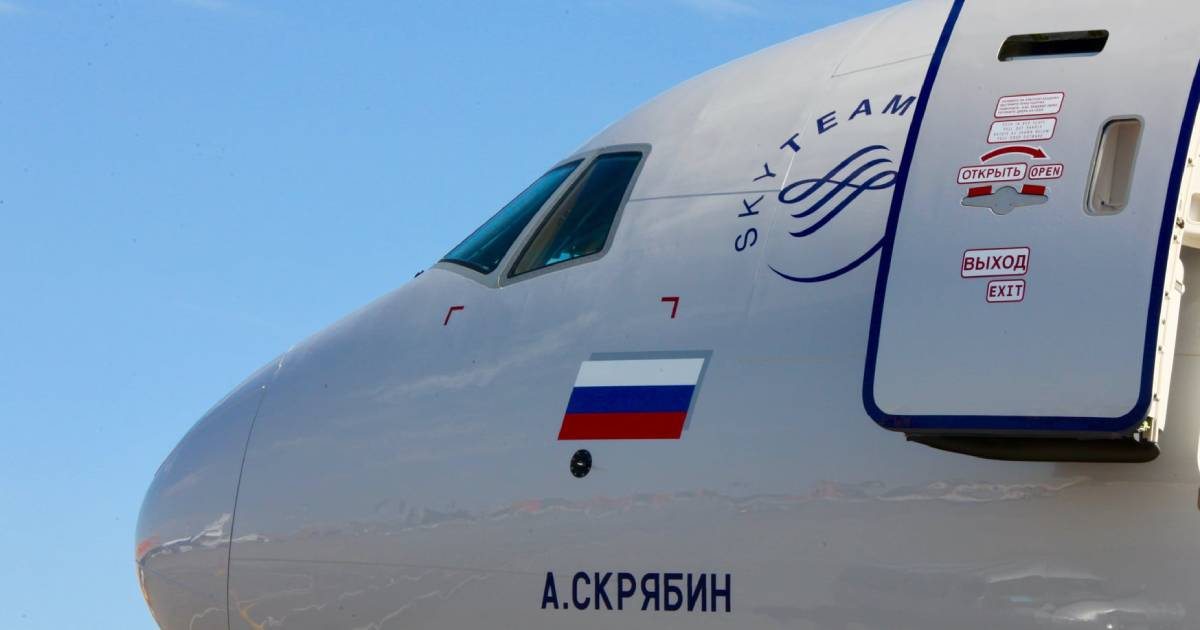
Key routes are already feeling the impact. Russian airlines such as Aeroflot and Nordwind have begun adjusting their operations between Varadero, Havana, and Holguín, while other carriers are compelled to add technical stops outside of Cuba to refuel, ensuring they can return their aircraft. Airports in Cancún, Punta Cana, and Nassau are among those used for these emergency refueling stops.
This crisis severely affects tourist hotspots like Varadero and Cayo Coco, which heavily rely on Canadian and Russian markets, as well as crucial routes for Cuban emigrants, including flights between Havana and Miami. In these scenarios, passengers face delays, itinerary changes, and the real possibility of being stranded in Cuba due to logistical challenges beyond the control of the airlines.
According to Aviacionline, the fuel shortage stems directly from increased energy pressure on Cuba following an executive order signed by former President Donald Trump on January 29th, threatening sanctions against countries supplying oil to the island. This situation is exacerbated by the loss of Venezuelan crude after the capture of Nicolás Maduro in a U.S.-authorized operation.
The situation is particularly precarious because Cuba only produces one-third of the fuel it needs and relies on imports now at risk. The Cuban government has already enacted an emergency plan imposing diesel restrictions and public service cuts, indicating that the crisis extends beyond the aviation sector.
While airlines have not yet announced widespread cancellations, delays, increased costs, and operational adjustments are expected to worsen if the crisis persists. For thousands of tourists and Cubans with upcoming flights, uncertainty looms over the island's airports.
Impact of Cuba's Fuel Shortage on Air Travel
How are Russian airlines responding to the fuel shortage in Cuba?
Russian airlines like Aeroflot and Nordwind are adjusting their operations by modifying routes and adding technical stops outside of Cuba to refuel, ensuring they can complete their flights.
What is causing the aviation fuel shortage in Cuba?
The fuel shortage is primarily due to increased pressure from U.S. sanctions on countries supplying oil to Cuba, compounded by the loss of Venezuelan crude following the capture of Nicolás Maduro.
What are the broader implications of the fuel crisis for Cuba?
Beyond aviation, the crisis has led to emergency measures by the Cuban government, including diesel restrictions and cuts in public services, indicating a broader impact on the country's economy and daily life.