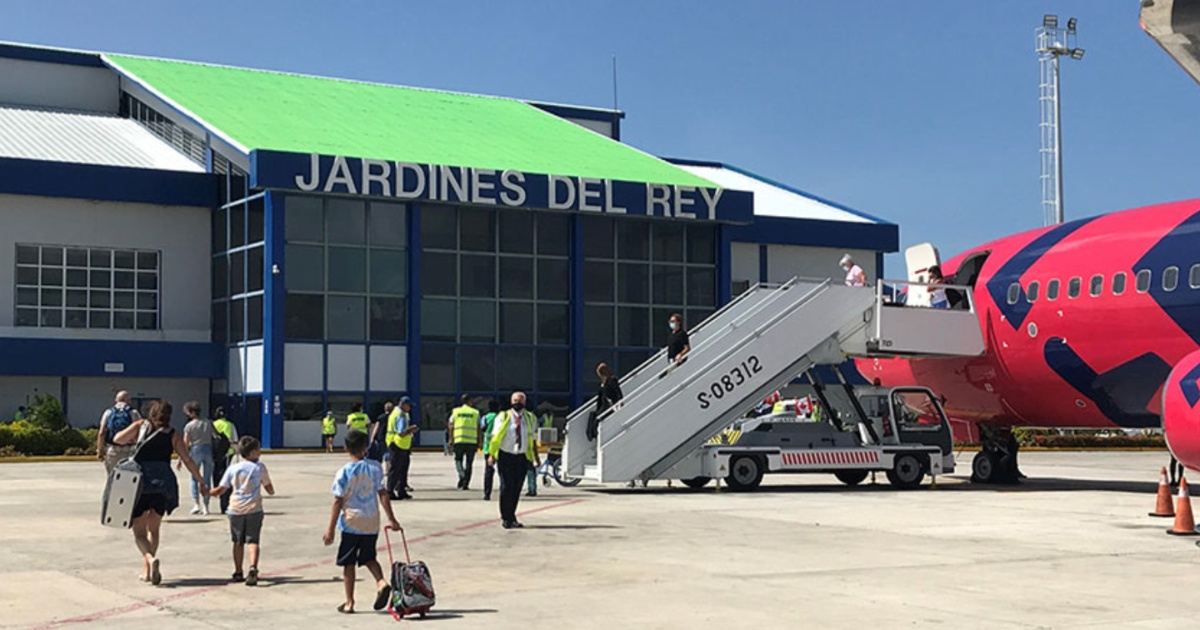
The international aviation notice system, NOTAM, has reported that the Jardines del Rey Airport (MUCC) in Cayo Coco will experience an absence of Jet A-1 fuel availability from February 10 to March 11, 2026. This shortage poses a significant disruption to the essential aviation services supporting Cuba's northern keys, a popular tourist destination.
During this time, aircraft will be unable to refuel with the standard commercial aviation fuel at this crucial terminal, impacting the tourism sector significantly. This alert forms part of a broader context of similar constraints affecting Cuban civil aviation. The José Martí International Airport (MUHA) in Havana is also facing an identical shortage of Jet A-1 fuel over the same period, from February 10 to March 11, 2026, starting at 05:00 UTC.
The NOTAM, designated as A0361/26 for Jardines del Rey (MUCC), highlights the looming crisis beginning February 10. Airlines are compelled to cancel flights, make technical stops in neighboring countries, or arrive with additional fuel, escalating costs and reducing flight frequency to resorts in Cayo Coco, Cayo Largo del Sur, and other northern keys.
At Jardines del Rey, services such as meteorological (MET) and aeronautical information (AIS) are functioning under restricted, non-continuous hours, and DME navigation equipment is experiencing failures.
Fuel Shortage in Havana
In Havana, the José Martí Airport is confirmed to be without Jet A-1 fuel for an entire month. This limitation affects nine major airports across the country, including those serving tourists. The fuel scarcity directly impacts charter and commercial flights from key markets such as Russia, Canada, and Europe, potentially leading to massive cancellations that could further depress the already struggling tourism industry, which welcomed only 1.8 million visitors in 2025.
Hotels in the keys are already relocating guests and facing partial closures due to a lack of aerial supplies and internal transport. As tourism is Cuba's primary source of foreign exchange, the immediate losses from reduced connectivity are severe. Travel advisories, such as those from Canada, urge travelers to exercise caution when planning trips to the island, warning that the current volatile situation could worsen rapidly, possibly affecting flight availability in the near future.
FAQs on Cuban Airport Fuel Shortages
What is the duration of the fuel shortage at Cuban airports?
The fuel shortage at Cuban airports is scheduled from February 10 to March 11, 2026.
Which airports in Cuba are affected by the fuel crisis?
The fuel crisis affects several airports, including Jardines del Rey in Cayo Coco and José Martí International Airport in Havana, among others.
How is the tourism industry in Cuba impacted by the fuel shortage?
The tourism industry faces immediate losses due to decreased flight connectivity, leading to potential cancellations and decreased visitor numbers.