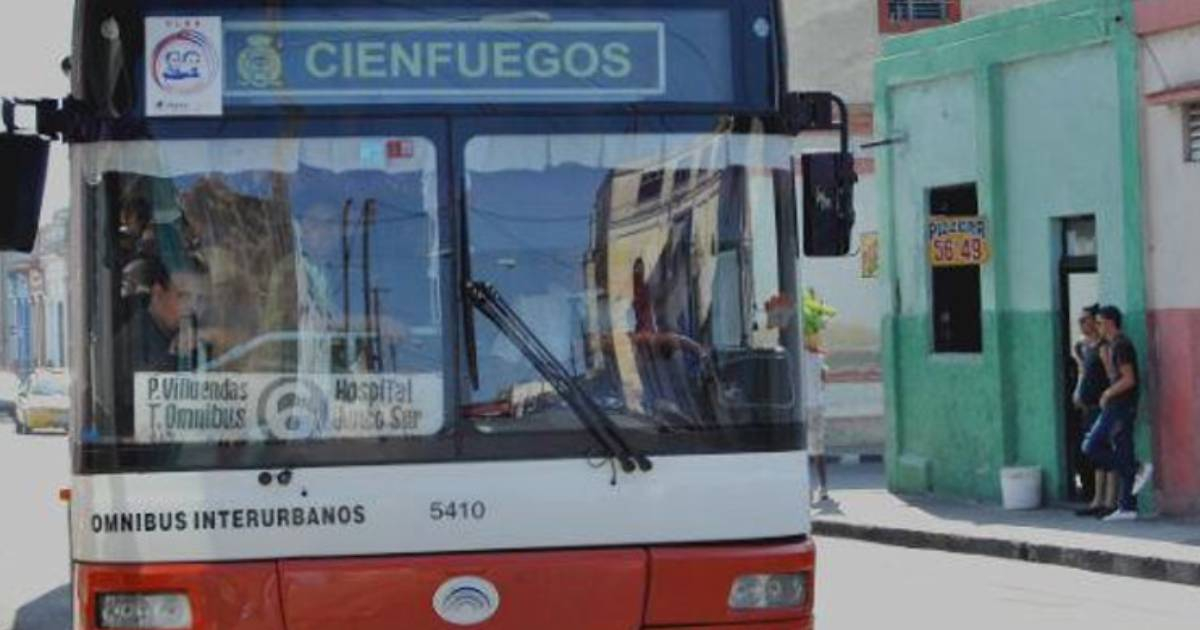
The Cuban regime is now implementing, with specific focus, a return to the "Special Period" that Miguel Díaz-Canel had previously announced in Havana. This time, Cienfuegos is bearing the brunt.
Through a Facebook post, the Provincial Government outlined a series of restrictions in response to the "complex energy situation facing the nation," a phrase that has come to mean endless blackouts, halted production, and widespread cutbacks.
The governor, Yolexis Rodríguez Armada, gathered key government agencies to announce that the nation is entering a survival mode, reorganizing daily life around only what is absolutely necessary. "Everything is reduced," she implied, without stating it outright.
This announcement follows shortly after Díaz-Canel's televised address in which he acknowledged that Cuba is reliving the harshest years of the Special Period. He admitted that Venezuelan oil hasn't been received since December 2025 and hinted at upcoming "restrictive" measures reminiscent of Fidel Castro's old "zero option" strategy.
In Cienfuegos, this "zero option" is becoming a reality.
Impact on Healthcare and Transportation
Among the most impactful measures for the citizens, the government confirmed postponement of surgeries, with only emergencies being attended to. Essential services like dialysis, oncology, and the Maternal and Child Program will continue.
Transportation is heavily affected, with suspension of intermunicipal and rural travel, and the halting of bay crossings by ferries. Only "ten embarkation points" will remain operational in the area, with limited hours from 6 AM to 6 PM.
State vehicles will be required to stop at these points to pick up passengers, a measure many Cubans see as a return to state-imposed controls over their mobility.
Economic Adjustments and Public Reaction
State-run stores and markets will now operate from 7 AM to 2 PM, and banks will limit their working hours to just four hours daily, provided there's available electricity.
For rationed bread, wood-fired ovens will be activated in many areas, distributing the product on alternate days. Education must adapt too, with secondary schools and other levels employing pandemic-era strategies, such as double sessions where feasible.
The overarching theme of these measures is summed up in one phrase: "zero consumption during the weekend" for agencies that can adjust services to weekdays.
The public is expressing outrage: "The sacrifice is for us, not for them." Despite the government's plea for "empathy" and to "keep the population continuously informed," social media comments reflect growing indignation.
One resident of Cienfuegos encapsulated the popular sentiment with bitter irony: "The people have to save energy they don't have; they're always in blackout. The investment in Hotel Jagua continues, but the people have to sacrifice—is that fair?"
Other citizens have raised concerns about the lack of real alternatives for cooking, given the gas crisis and the soaring price of charcoal. "Charcoal should be offered at a lower price," one user demanded, while others noted that a sack could cost up to 3,000 pesos.
The population is also calling for stricter control over fuel use by officials and leaders, demanding no privileges for those living with guaranteed electricity and transportation.
One of the most alarming comments recounted an incident at the provincial hospital where a stretcher-bearer allegedly charged 500 pesos to lend a wheelchair to a woman with partial paralysis.
"This is not science fiction. This happened today in Cienfuegos," wrote the user, asking for tighter control over these abuses, just as the government insists on "resilience" and "discipline."
The official publication concludes that the measures aim to "convey confidence" and "address the people's concerns," but the public response reveals a different story: exhaustion, frustration, and an overarching feeling that the country is regressing day by day.
Key Questions About Cienfuegos' Energy Crisis
What are the main restrictions implemented in Cienfuegos?
The main restrictions include postponing surgeries, suspending intermunicipal and rural transport, and adjusting store and bank hours. Vital services like dialysis and oncology will continue, and only limited transportation within the city is maintained.
How has the public reacted to these measures?
The public has reacted with outrage and frustration, expressing concerns over the lack of alternatives for cooking amid the gas crisis and high charcoal prices. There is also significant discontent regarding ongoing investments in luxury projects while citizens face severe cutbacks.