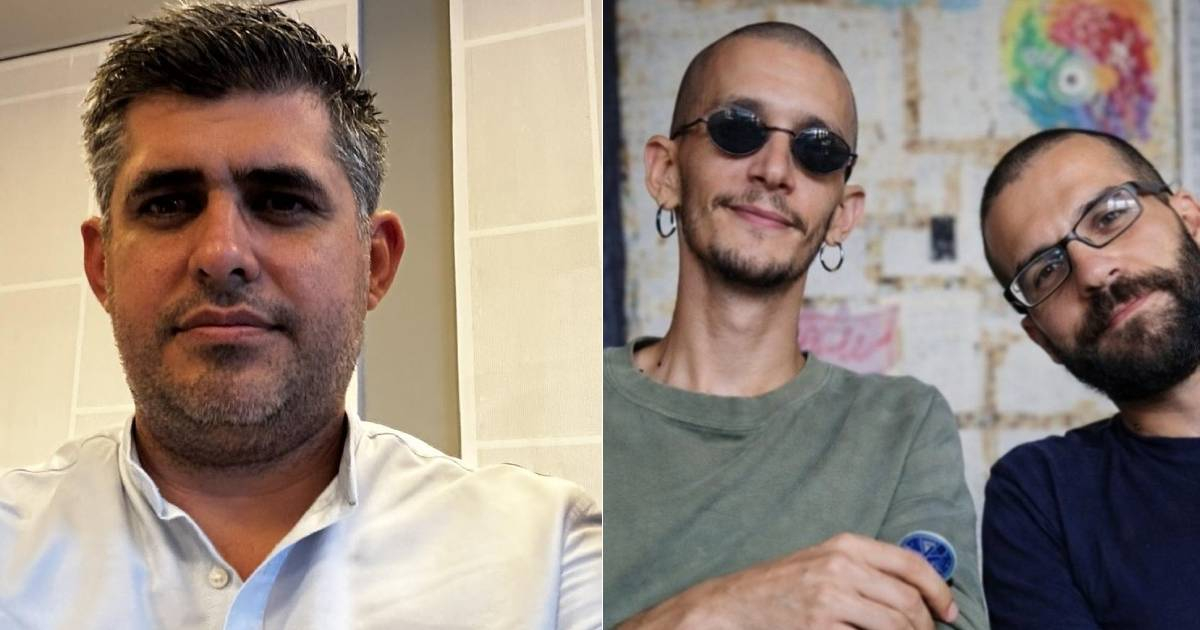
Carlos Miguel Pérez Reyes, a Cuban lawmaker representing Playa in Havana and head of the microenterprise DOFLEINI S.R.L., has sparked outrage on social media by defending state repression and setting boundaries on criticism in Cuba. This controversy arose amidst the uproar following the arrest of two young individuals linked to the digital project El4tico.
In a statement released this Sunday, Pérez Reyes claimed that Cuba upholds the "right to freedom of thought and expression" but emphasized that it cannot be exercised without limitations, asserting that "no right is absolute."
"In Cuba, there is the right to freedom of thought and expression... but no right is absolute," wrote Pérez Reyes, referencing constitutional articles to argue that freedom of expression cannot be used as a "shield to harm others" or to "incite violence."
His comments coincided with growing reports of the detention of Ernesto Ricardo Medina and Kamil Zayas Pérez, two young creators associated with El4tico, an independent project well-known for its critical stance toward the regime. Reports indicate that both were arrested in Holguín in the early hours of February 6, during a raid that also allegedly involved searching their premises and seizing work equipment. Medina was taken from his home, leaving his family in a vulnerable state following the police operation.
The young men were reportedly transferred to the Holguín Penal Instruction headquarters, colloquially known as "Everyone Sings," a site repeatedly accused of employing abusive and repressive methods.
The lawmaker's post ignited a heated debate, with numerous users responding that freedom ending in arrests is not genuine freedom but merely "on paper." One user accused Pérez Reyes of disguising "political repression" as constitutional analysis. Others bluntly stated that "the Constitution and laws in Cuba serve your purposes," and "What you're describing is literally a dictatorship," as seen in the comments. The call for "Freedom for El4tico!" echoed throughout the responses.
Many questioned the rationale of invoking the "national defense" article to justify arrests of young people merely expressing "what we all think." A user queried, "Where is the evidence they were funded?" while another sarcastically noted that the constitutional text "gags the people" and leaves them "at the mercy of misgovernment."
Understanding Freedom of Expression in Cuba
What limitations exist on freedom of expression in Cuba?
In Cuba, freedom of expression is subject to restrictions, as it cannot be used to harm others or incite violence, according to the Cuban Constitution.
Who were the individuals arrested in connection with El4tico?
Ernesto Ricardo Medina and Kamil Zayas Pérez, young creators associated with the independent project El4tico, were arrested in Holguín.
What is the significance of the term "Everyone Sings" in this context?
"Everyone Sings" refers to the nickname for the Holguín Penal Instruction headquarters, known for allegations of employing abusive and repressive methods.