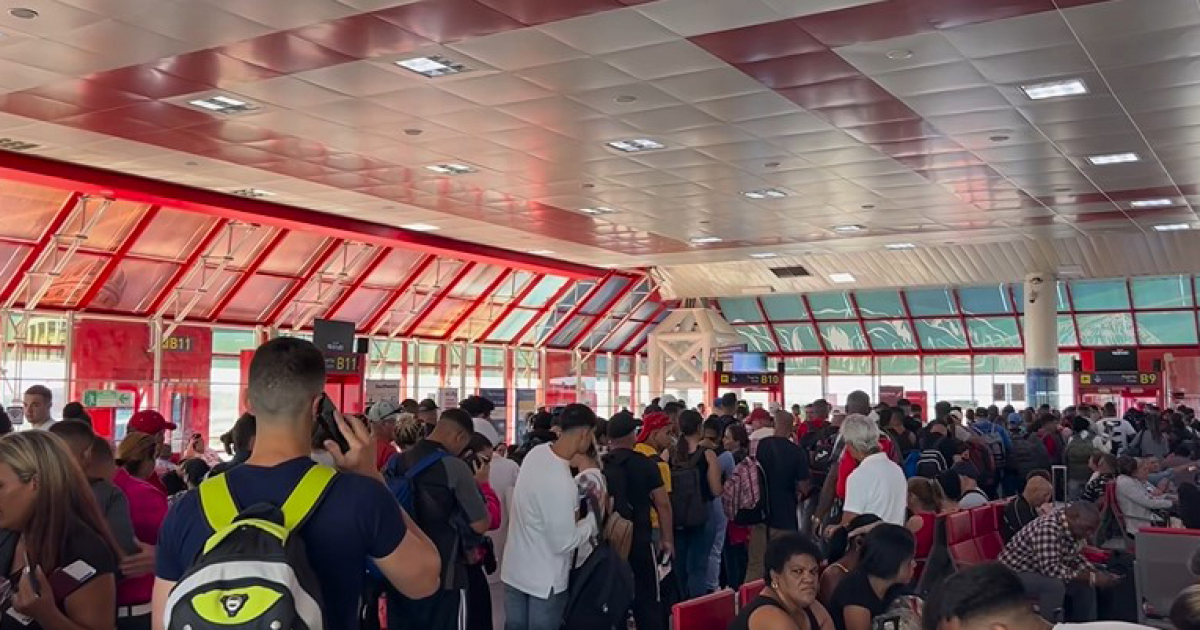
This past Sunday, the administration of Daniel Ortega and Rosario Murillo made the decision to revoke the visa-free entry for Cuban citizens traveling to Nicaragua with ordinary passports. This change affects a policy that had been in place since November 2021, according to a document from the Ministry of the Interior obtained by La Prensa.
According to the cited document, effective February 8, Cuban citizens with ordinary passports will have their immigration status altered from “A” (visa-exempt) to “C” (visa-required but without cost).
The directive is detailed in resolution 001-2026. As per the report, this directive has not been published in La Gaceta and was signed by Commissioner General Juan Emilio Rivas, the head of the Directorate General of Immigration and Foreigners at the Ministry of the Interior.
Geopolitical Tensions and International Pressures
La Prensa frames this alteration against a backdrop of escalating tensions between Nicaragua and the United States government, which has been urging the release of political prisoners and accusing the Nicaraguan regime of facilitating irregular migration.
Since 2024, the United States has enacted sanctions on air transport companies, charter flights, and business figures alleged to be promoting illegal migration, due to Nicaragua's role as a transit point for migrants heading to the U.S. illegally.
Added to these actions, in January of the previous year, visa restrictions were announced, and by November, further penalties were imposed on Nicaraguans accused of aiding illegal migration. These included visa revocations and other limitations.
Impact on Travel and Migration Routes
The leaked directive specifies that the changes will be communicated to the Cuban consulate in Nicaragua and to Nicaraguan consulates abroad. Additionally, the National Institute of Civil Aeronautics will inform air transport lines about the implementation, as well as Nicaragua's land and sea transport operators.
In November 2021, Ortega's regime shocked many by implementing visa-free travel for Cuban nationals, labeling it a "humanitarian" measure aimed at boosting tourism, family ties, and trade between the two countries.
From that point, Cubans could enter Nicaragua without explaining their travel purpose or paying consular fees, making the Central American nation a popular migration route to the U.S.
The Economic and Social Ripple Effect
In the days following the initial announcement, reports emerged of a surge in demand for flights from Havana to Managua, with hundreds scrambling to book tickets through travel agencies and airlines such as Conviasa and Copa Airlines.
Prices soared, and many Cubans went into debt or sold possessions to seize the chance to leave their country amidst a growing economic crisis.
By 2023, migration levels hit unprecedented highs. In August, long lines formed outside travel agencies on the island as people sought tickets to Nicaragua, driven by the hope of reaching the U.S. southern border.
Despite warnings from the American government about the dangers of crossing Central America illegally, thousands of Cubans continued to make the journey.
This phenomenon became emblematic of social desperation: a nurse in Holguín even offered to trade two homes for two tickets to Nicaragua, illustrating the scale of the exodus and the devaluation of material goods in the face of the desire to emigrate.
Ultimately, this escape route has been closed. The decision comes amid international pressure and U.S. sanctions due to Nicaragua's role as a corridor for irregular migrants.
Frequently Asked Questions about Nicaragua's Visa Policy Change
Why did Nicaragua revoke visa-free entry for Cubans?
The revocation is part of a response to international pressure and tensions between Nicaragua and the United States, which has accused Nicaragua of facilitating irregular migration.
What changes have been made to the visa process for Cubans entering Nicaragua?
Cubans with ordinary passports will now require a visa, changing their immigration status from visa-exempt to visa-required, although the visas will be issued without cost.
How does this policy affect travel routes for Cubans?
The policy change closes a previously popular migration route for Cubans heading to the United States, contributing to the challenges faced by those seeking to emigrate.