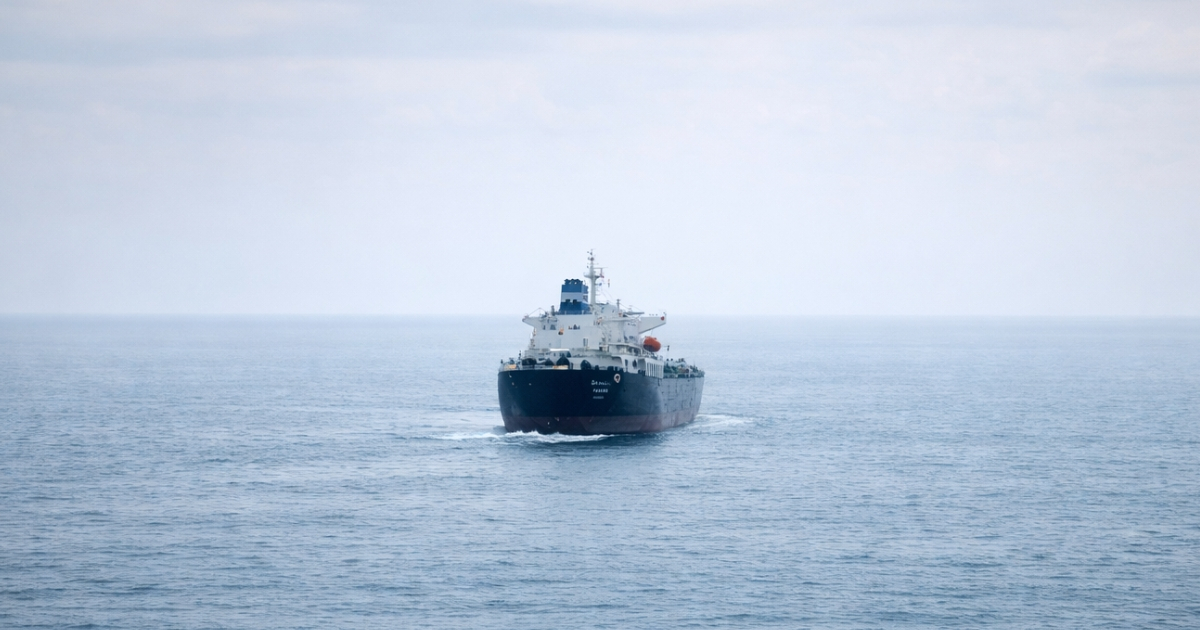
For many years, the Cuban regime maintained its energy system with preferential oil shipments from Venezuela, thanks to a political alliance that allowed Havana to operate outside traditional energy markets. This arrangement has now collapsed, leaving Cuba in a much more precarious situation: reliance on sporadic, irregular, and heavily monitored shipments.
The sharp decline in Venezuelan supplies has laid bare the structural vulnerabilities of Cuba's energy system. Without a stable supplier and lacking the financial capacity to purchase fuel under normal conditions, the country is operating on razor-thin margins. Each arriving tanker becomes a pivotal event to stave off an immediate collapse.
The End of Political Supply
For decades, Venezuela provided Cuba with steady oil volumes and favorable payment terms that no other partner offers today. The loss of this support has forced the regime to improvise, resorting to complex routes, intermediaries, and ad-hoc operations that fail to guarantee continuity or stability.
Without that regular flow, tankers arriving at Cuban ports do so without a defined schedule or assurances of replenishment. Each delivery merely addresses immediate needs, failing to resolve prolonged blackouts or fuel shortages in critical sectors like transportation and power generation.
Monitored Shipments and Limited Maneuverability
Unlike in the past, current fuel movements to Cuba occur under heightened international scrutiny. These operations are subject to financial controls, maritime tracking, and diplomatic pressures that severely limit the regime's ability to secure regular shipments.
This scrutiny reduces Havana's maneuverability, as it can no longer rely on allies willing to take high risks or on opaque financing mechanisms. The result is a fragile supply chain dependent on exceptions and temporary deals.
An Inescapable Dependency
The combination of financial isolation, deteriorating energy infrastructure, and the loss of strategic allies keeps Cuba trapped in a cycle of scarcity. Without significant reforms or stable access to fuel, the country will continue to rely on isolated shipments that offer only momentary relief.
With Venezuela out of the picture and no structural substitute in place, Cuba's energy crisis is no longer a temporary issue but a chronic problem, directly and persistently impacting the daily lives of millions.
Understanding Cuba's Energy Challenges
Why did Cuba lose Venezuela as a reliable oil supplier?
The political and economic turmoil in Venezuela, combined with its own declining oil production, has made it increasingly difficult for Venezuela to maintain its previous levels of support to Cuba.
How does international scrutiny affect Cuba's fuel shipments?
Increased international scrutiny subjects Cuba's fuel shipments to financial controls, maritime tracking, and diplomatic pressures, limiting the regime's ability to secure regular and stable fuel supplies.
What are the consequences of Cuba's energy crisis on daily life?
The energy crisis results in prolonged blackouts and fuel shortages in essential sectors like transportation and power generation, severely impacting everyday life for millions of Cubans.