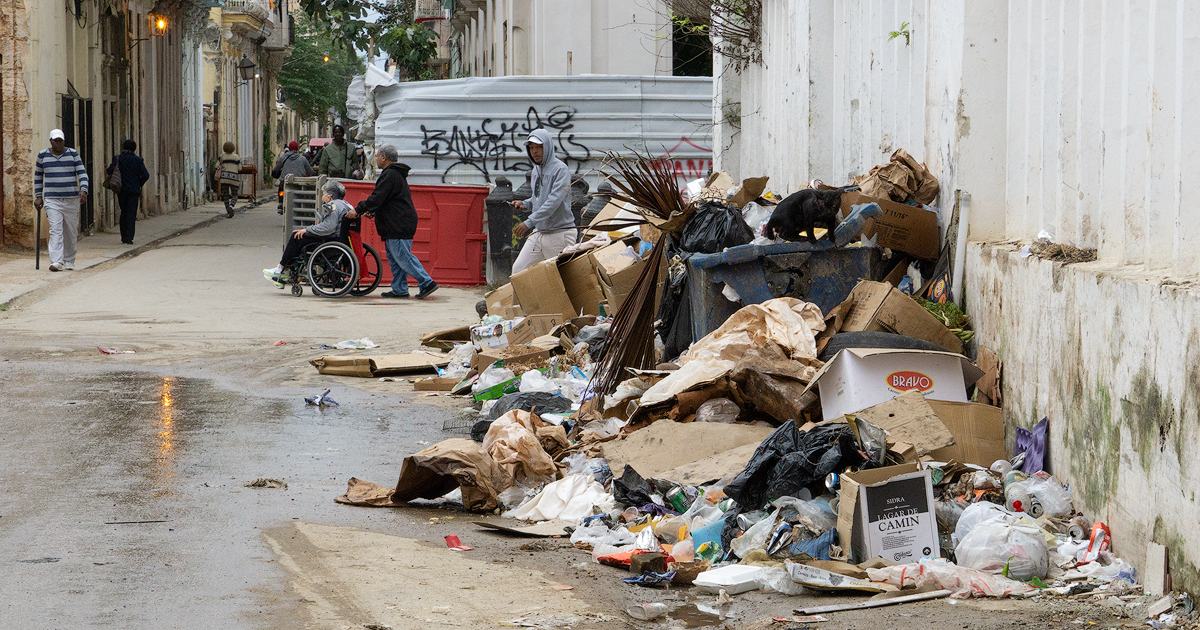
The United Nations raised alarms on Wednesday about a potential humanitarian "collapse" in Cuba if the restrictions on oil supplies to the island persist. This warning was issued by Secretary-General António Guterres through his spokesperson, Stéphane Dujarric, as reported by UN News, amidst the tightening of Washington's energy policy towards Havana.
"The Secretary-General is deeply concerned about the humanitarian situation in Cuba, which will worsen, if not collapse, if its oil needs are not met," Dujarric stated at the United Nations headquarters. He added that Guterres "urges all parties to continue dialogue and respect international law."
The spokesperson explained that the UN is "witnessing the impact" of the fuel shortage on the ground and is working with the Cuban government to "find ways to alleviate the situation." He also reminded that "for more than three decades, the General Assembly has consistently called for the end of the embargo imposed by the United States on Cuba."
Impact of U.S. Policies
This warning comes amid increasing U.S. pressure to block Cuba's access to external oil sources. Washington has threatened to impose tariffs on any country selling crude to Cuba, a policy formalized at the end of January through an executive order by President Donald Trump, paving the way for trade sanctions against third countries maintaining those shipments.
According to the United Nations, the reduction in fuel supplies is already having visible effects on daily life. The energy crisis has led to prolonged power outages across the country and contributed to the rising cost of food, directly impacting the most vulnerable sectors of the population.
Social Climate in Cuba
Francisco Pichón, UN Resident Coordinator in Cuba, described the social climate as a mix of "resilience, but also pain, sadness, and indignation, with some concern over regional events." Speaking to UN News from Havana, he noted that the vast majority of Cubans endure continuous power cuts, while the number of people in vulnerable situations has significantly increased.
The deterioration in energy supply follows the cessation of Venezuelan oil shipments, a blow that had already severely impacted the country's food security by leaving agriculture, industry, and food refrigeration systems without fuel, according to previous analyses on the impact of the end of Venezuelan oil to Cuba.
For years, that supply covered a significant portion of the island’s energy needs. Estimates cited by international organizations indicate that Venezuelan crude met around 30% of Cuba's energy demand in 2025, before the shipments were halted.
Cuban Government's Response
Recently, Trump publicly argued that oil restrictions need not lead to a humanitarian crisis and claimed that the Cuban government could negotiate with Washington to ease the situation. This stance contrasts with the UN's warnings and is reflected in his statements about the energy blockade on the island.
On Thursday, Cuban leader Miguel Díaz-Canel publicly acknowledged the severity of the energy and economic scenario the country faces. During a broadcast on the Presidency's YouTube channel, he admitted that Cuba is preparing for "more difficult times" and stated, "I'm not an idealist. I know we're going to face tough times. We've done it before, but now we'll overcome it together with creative resistance, effort, and talent."
In his remarks, Díaz-Canel recognized an "acute fuel shortage" and confirmed that since December 2025, the island has not received oil from Venezuela, a situation that has forced the country to relive the harsh years of the Special Period. "Remember that the blockade on Venezuela began in December 2025. Since then, no fuel has been received in this country," he declared. The president indicated that some measures would be "restrictive," and certain activities would need to be "stopped or postponed," while urging the population to "save much more," without offering specific details on short-term solutions.
Frequently Asked Questions about Cuba's Energy Crisis
What is the United Nations' stance on the Cuban oil crisis?
The United Nations has expressed deep concern over the humanitarian situation in Cuba, warning of a potential collapse if the island's oil needs are not met. The UN urges all parties to engage in dialogue and respect international law.
How has the U.S. policy affected Cuba's access to oil?
U.S. policy has increased pressure on Cuba by threatening tariffs on countries selling oil to the island. This has exacerbated the energy crisis, contributing to prolonged power outages and rising food costs.
What measures has the Cuban government proposed to address the energy crisis?
Cuban leader Miguel Díaz-Canel has acknowledged the severe fuel shortage and indicated that some activities may need to be restricted or postponed. He urged the population to conserve more, but did not provide specific short-term solutions.