Amílcar Pérez-Riverol, a Cuban scientist, took to social media to highlight the severe crisis plaguing the nation and sharply criticized the Havana regime for blaming the United States for the economic collapse.
“People in Cuba already live without electricity, without gas to cook, without food to prepare, without a stable water supply, without medicines, without quality healthcare, without transportation, without decent wages, without basic sanitation, without hygienic-epidemiological conditions, without vacations, without state protection, without hope,” Pérez-Riverol wrote in a Facebook post.
Currently residing in Germany, the scientist questioned, “What does the regime and its representatives mean by ‘more difficult conditions’? What could be tougher than the absolute material misery they have already imposed? How much more will they squeeze out of the people just to hold onto power?”
Pérez-Riverol's words spread widely on social media at a time when the Cuban government has revived its victim narrative, claiming that the United States is attempting to “strangle the Cuban economy” and provoke the “extermination” of the populace.
In another post, the scientist directly addressed this official narrative. “Trump did not nationalize and centralize the economy. Trump did not stifle private initiatives. Trump did not enact dozens of failed economic policies. He did not devise ridiculous and useless plans. He did not squander decades of Soviet and Venezuelan subsidies. He did not set back the sugar industry by more than a century. He did not extinguish the fishing industry. Nor did he make the country lack food sovereignty. Trump did not strangle small businesses whenever they began to thrive. He did not demonize, then canonize, and again demonize the dollar. He did not invent the Reordering. He did not abolish university autonomy. He did not expel or exile professors, journalists, intellectuals, workers. He did not extinguish freedom of expression. He did not silence every dissenting voice. He did not imprison peaceful demonstrators. Nor did he invest in hotels instead of hospitals. He did not confuse the Revolution with the nation,” he declared in another post.
He concluded: “For intellectual honesty, one must trace back seven decades before blaming Trump for this disaster.”
His statements came just days after Deputy Foreign Minister Carlos Fernández de Cossío admitted in an interview with EFE that Cuba is preparing to begin a “reorganization process” that will be “very difficult for the population.” This announcement, hinting at a possible internal restructuring of the state apparatus and greater military centralization of resources, has been interpreted as a sign that the regime is gearing up to manage the collapse rather than prevent it.
In this context, Pérez-Riverol's words carry particular weight, depicting a nation where people already endure extreme conditions.
In a third statement, the scientist went further, urging the regime to negotiate its exit to spare the people from more suffering. “The only dignified act left for the regime in Cuba is to negotiate its departure while ensuring a peaceful transition without further suffering for the people. Leaving would be the only decent act in decades. Leaving to prevent sinking the country further into misery, utter chaos, and violence. Leaving to prevent more pain,” he urged.
He added: “Let their final act be for the good of all. Leave and allow Cuba to dream. Leave and allow Cuba to heal. Leave and allow Cuba to be at peace.”
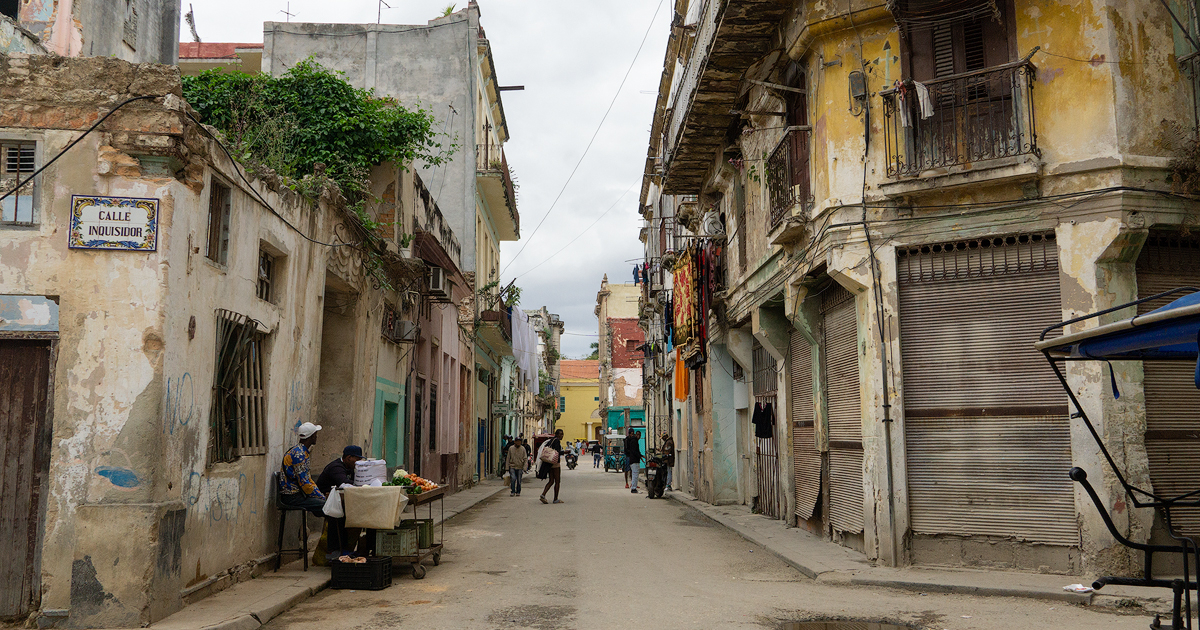
Pérez-Riverol’s posts, available on his Facebook profile, have become a reflection of the widespread sentiment of exhaustion both inside and outside the island, where people face blackouts lasting over 20 hours daily, rampant inflation, and a crumbling economic system.
While the regime promises a “painful process,” voices like that of the scientist argue that true change will not come from more reorganization but from the departure of those who have repeated the same mistakes for decades.
Understanding Cuba's Crisis and the Scientist's Critique
What did Amílcar Pérez-Riverol criticize about the Cuban regime?
Pérez-Riverol criticized the Cuban regime for blaming the United States for the country's economic collapse and highlighted the dire living conditions in Cuba, attributing the crisis to long-standing governmental failures.
Why are Pérez-Riverol's comments significant?
His comments are significant as they resonate with a widespread feeling of frustration among Cubans, both on the island and in the diaspora, who are enduring extreme hardships due to the regime's policies.
What does Pérez-Riverol propose to the Cuban regime?
Pérez-Riverol proposes that the Cuban regime negotiate its departure to ensure a peaceful transition and prevent further suffering for the Cuban people.