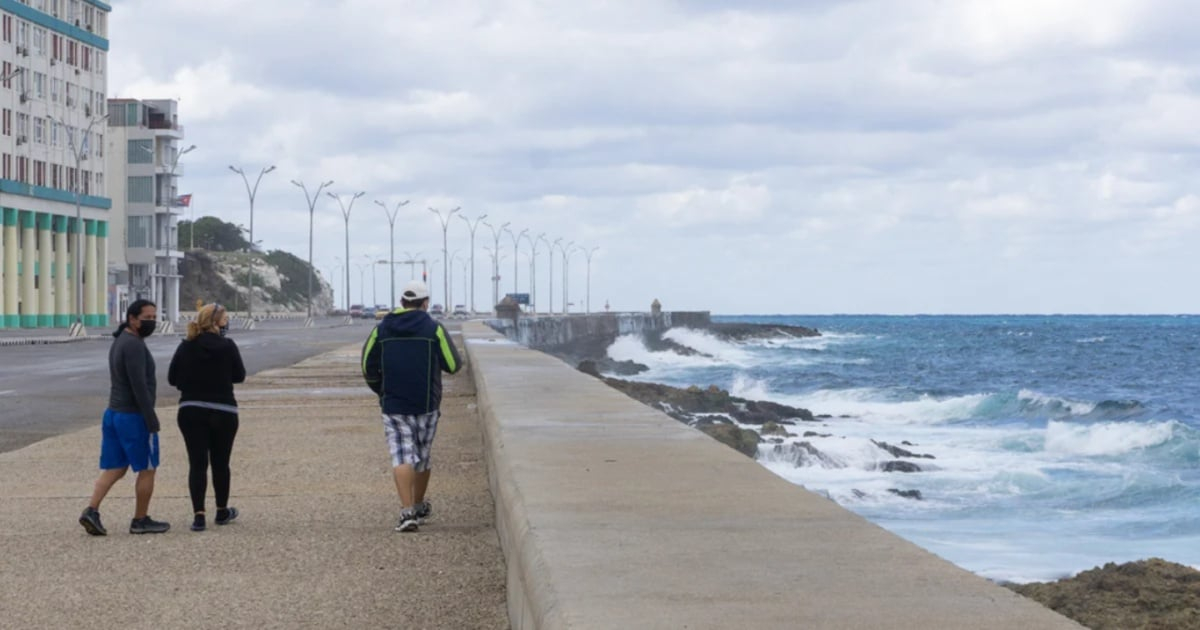
Cuba might be experiencing its coldest night on record.
The Cuban Meteorological Institute (INSMET) reported on Tuesday that at the Indio Hatuey station in Matanzas province, a low temperature of 0.1°C was recorded at 4:00 am.
This figure, pending official confirmation, could surpass the historic low of 0.6°C documented in Bainoa, Mayabeque, on February 18, 1996.
Specialists from the INSMET's Forecasting Center are currently examining the data to verify if this indeed sets a new national record.
If confirmed, this event would signify a remarkable climatic occurrence for the nation, showcasing an episode of extreme cold rarely seen in the Caribbean island.
The Indio Hatuey station, located in Matanzas, plays a crucial role in tracking temperatures in western Cuba. Experts indicate that current atmospheric conditions, combined with a cold air mass from the north, contributed to this significant temperature drop.
By 7:00 am, INSMET announced on Facebook that the temperature had plunged to 0°C.
Although these readings remain under review, the news has already sparked concern among local authorities and residents, who are bracing for a spell of low temperatures that could impact daily life, health, and agriculture in some regions of the country.
INSMET has urged the public to stay tuned to official announcements and adhere to cold weather protection guidelines, especially for the most vulnerable groups such as children, the elderly, and those with chronic illnesses.
Currently, this preliminary reading would be the lowest temperature documented in Cuba's modern history, breaking a record that stood for over 27 years and highlighting the climatic variability the island has faced in recent decades.
Understanding Cuba's Cold Weather Phenomenon
What led to the extreme cold in Cuba?
A combination of current atmospheric conditions and a cold air mass from the north contributed to the significant drop in temperatures in Cuba.
How does this cold spell affect Cuba?
The cold spell could affect daily life, health, and agriculture, prompting local authorities and residents to prepare for the challenges posed by the unusually low temperatures.