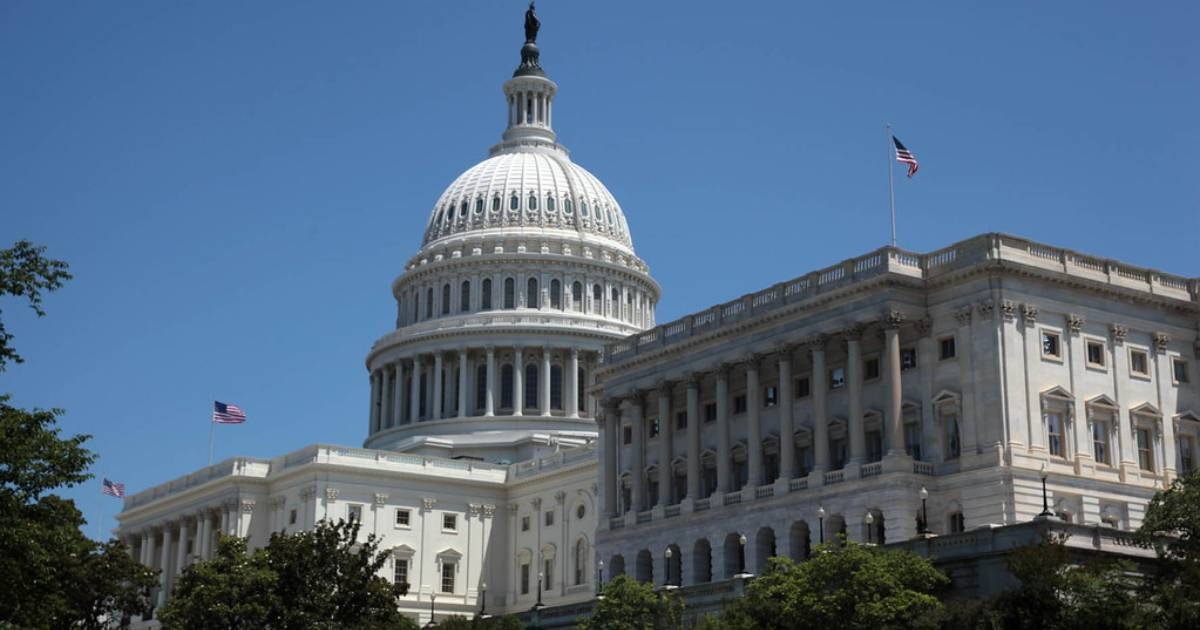
This weekend, the United States encountered another partial federal government shutdown. Although not as extensive as the significant administrative halt last fall, this situation reignites uncertainty for millions, including migrants and families relying on crucial state services, both domestically and abroad.
Unlike previous shutdowns, this one doesn’t encompass the entire federal system. Congress had already approved funding for half of the fiscal year’s projects, ensuring that essential programs continue to operate through the end of September, according to the Associated Press.
However, political discord left several critical agencies unfunded, including the Department of Homeland Security (DHS), the Pentagon, and the Department of Transportation.
The shutdown’s roots are tied to immigration debates. Following a federal operation in Minneapolis that resulted in the shooting deaths of two U.S. citizens, Democrats demanded the removal of DHS funding from the budget to enforce changes in the Immigration and Customs Enforcement (ICE) practices, like mandatory body cameras and visible agent identification.
In a bid to avert a full shutdown, President Donald Trump reached a temporary funding agreement with Senate Democrats for DHS, lasting two weeks while negotiations proceed. Nevertheless, the House of Representatives won't vote on the complete package until at least Tuesday, thereby extending the partial shutdown for several more days, as House Speaker Mike Johnson confirmed to the AP.
Who is Affected by the Shutdown?
The most impacted agencies include Defense, Homeland Security, and Transportation. While essential operations continue, many federal employees might work without pay if the impasse drags on, and others could be placed on unpaid leave, according to reports.
In the aviation sector, air traffic controllers will maintain their duties but without pay until funding is approved, raising the potential for delays and cancellations—an important concern for travelers nationwide.
The DHS also encompasses the Federal Emergency Management Agency (FEMA). Experts indicate that FEMA currently has between $7 and $8 billion to address ongoing disasters, like the severe winter storm affecting various regions. Nonetheless, a prolonged shutdown could strain these funds and restrict other operations, such as issuing or renewing flood insurance policies.
Reassurances for Passports, Visas, and Food Assistance
For those worried about immigration procedures, the State Department assured that passport and visa processing will continue as usual, and embassies and consulates will stay open, although some non-urgent functions might experience delays, according to internal documents.
Food assistance programs remain unaffected. Benefits like SNAP and WIC will proceed normally, as the Department of Agriculture is fully funded through the end of the fiscal year, providing relief to millions of low-income families.
The Political Backdrop of the Shutdown
Amidst mutual accusations between Republicans and Democrats, the debate centers on the extent of necessary reforms in immigration operations.
Democratic House Leader Hakeem Jeffries stated on ABC News that DHS requires a “drastic reform,” asserting that short-term promises are insufficient. On the other hand, Mike Johnson argued that some demands could endanger federal agents.
For now, the partial shutdown persists, with its duration hinging on whether Congress can reach a political agreement in the coming days. Although many services remain operational, uncertainty lingers in a country where every government shutdown inevitably affects real lives: unpaid workers, disrupted travelers, and families awaiting decisions made behind closed doors in Washington.
Key Questions About the U.S. Government Shutdown
What agencies are primarily affected by the partial government shutdown?
The shutdown predominantly impacts the Department of Homeland Security, the Pentagon, and the Department of Transportation.
How does the shutdown affect federal employees?
Many federal employees may have to work without pay, and some could be placed on unpaid leave if the shutdown continues for an extended period.
Will passport and visa services be affected during the shutdown?
No, passport and visa services will continue as usual, although some non-urgent functions might experience minor delays.
Are food assistance programs impacted by the shutdown?
No, food assistance programs like SNAP and WIC will continue without interruption, as they are fully funded through the fiscal year.