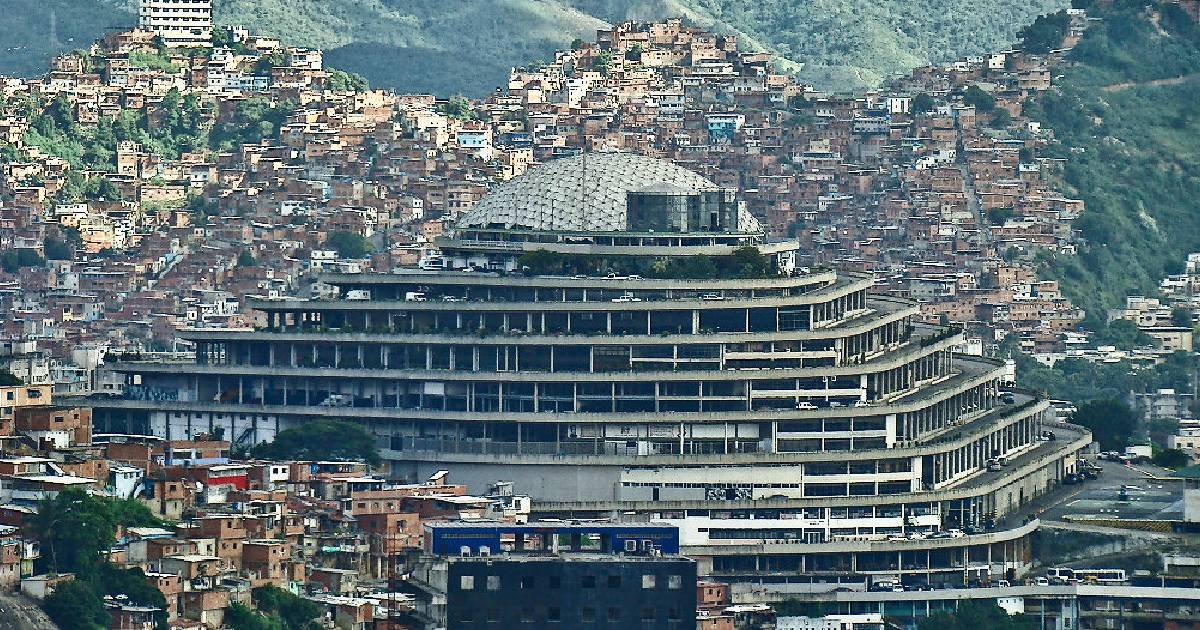
Interim President Delcy Rodríguez declared on Friday a sweeping amnesty for political prisoners in Venezuela, along with a pledge to shut down El Helicoide, a notorious emblem of Chavista repression. However, she did not specify timelines or detailed mechanisms to ensure full freedoms.
The announcement took place at the Supreme Court of Justice during a closed-door event, where Rodríguez revealed plans to introduce a general amnesty law to the National Assembly. This initiative, she stated, aims to "promote coexistence in Venezuela" and was reportedly discussed with Nicolás Maduro beforehand.
This measure could potentially impact hundreds of political prisoners still behind bars, following the gradual release process that began a month after Maduro's capture on January 3, as highlighted by the Spanish newspaper El País.
While the Chavista regime claims to have freed over 600 individuals, human rights organizations report approximately 302 releases, many under stringent conditions.
Transforming El Helicoide: A Surprising Announcement
Rodríguez caught many off guard by announcing plans to convert El Helicoide, long seen as a central detention and torture facility under the regime, into a community space for social and sports services.
This facility, managed by intelligence services, has for years stood as a representation of Chavista repression.
According to Rodríguez, the upcoming amnesty law seeks to erase criminal charges against beneficiaries, setting it apart from current releases, which still impose restrictions such as travel bans, press gag orders, and employment limitations.
Nonetheless, the proposed law will exclude individuals convicted of homicide, drug trafficking, and common crimes.
Political Prisoners as Bargaining Tools
Historically, the Chavista government has used political prisoners as leverage in both domestic and international negotiations. Although no amnesty has been approved since 1999, partial pardons have been granted, such as the 2020 release of 110 opposition figures by Maduro, a move criticized for its lack of transparency and inclusion of common criminals.
The call for a comprehensive amnesty has gained momentum following Maduro's fall, with detainees' families organizing vigils and protests outside prisons.
Advocacy groups warn that many released individuals continue to face legal restrictions, surveillance, and coercion, fueling demands for legislation that definitively closes political cases.
Ongoing Social Pressure and Calls for Transparency
This announcement comes amidst mounting social pressure. Families of the incarcerated have resumed protests, vigils, and campsite demonstrations at penitentiaries, demanding transparency and the complete release of political detainees.
NGOs estimate that between 600 and 700 people remain imprisoned for political reasons, in addition to thousands subjected to judicial measures and an indeterminate number of exiles, leaving the scope and credibility of the promised amnesty in question.
Adding to these figures are more than 9,000 individuals under legal restrictions and countless exiles due to political persecution.
Human rights organizations and opposition sectors argue that genuine political transition cannot be achieved while arbitrary detentions and conditional freedoms persist.
Releases continue at a sluggish pace, without official lists or clear assurances, and it is believed that 600 to 700 political prisoners are still held captive.
For many families and activists, the credibility of closing El Helicoide and granting amnesty will only be established when these actions result in tangible and verifiable freedoms, rather than unfulfilled promises.
Understanding Venezuela's Amnesty and Prison Reform
What is El Helicoide?
El Helicoide is a building in Venezuela that has been used as a detention and torture center under the Chavista regime, symbolizing political repression.
What does the proposed amnesty in Venezuela entail?
The proposed amnesty aims to clear criminal charges related to political activities, but excludes those convicted of serious crimes like homicide and drug trafficking.
Why is there skepticism about the amnesty and prison closure announcements?
Skepticism arises due to past unfulfilled promises, lack of transparency, and continued restrictions on those released, casting doubt on the genuineness of these initiatives.