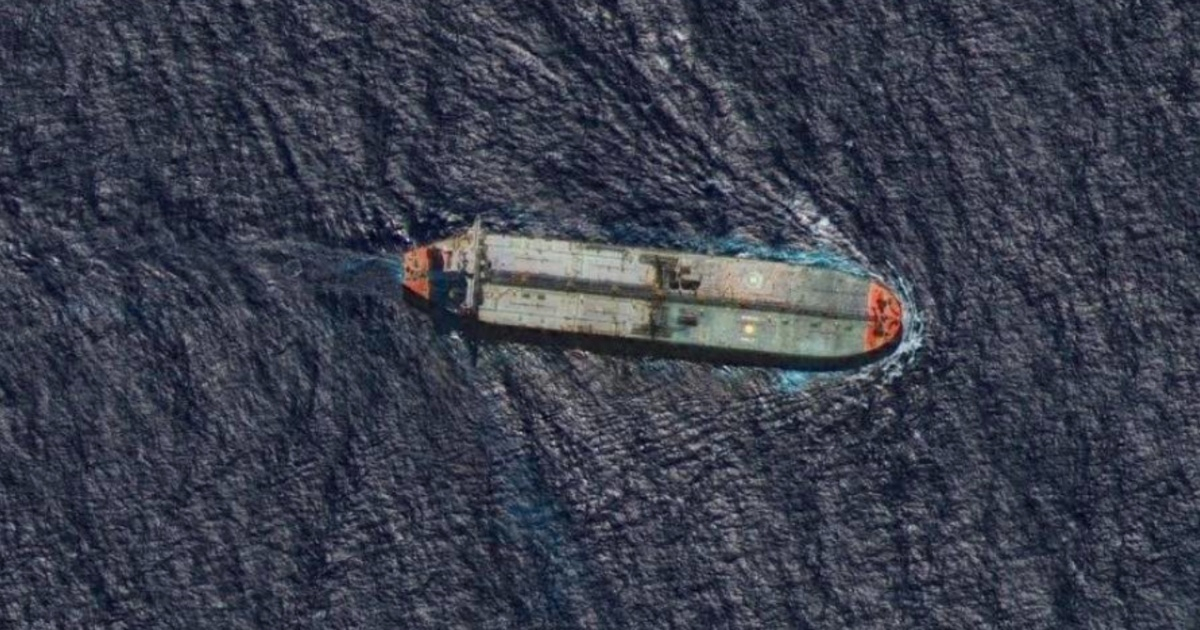
Cuba is grappling with an unprecedented energy crisis. The capture of former Venezuelan leader Nicolás Maduro in early January deprived the island of its main oil supplier.
Currently, with power outages exceeding 20 hours daily in many areas, Miguel Díaz-Canel's government is surviving thanks to two key partners: Mexico and Russia.
The University of Texas Energy Institute estimates that Cuba requires approximately 110,000 barrels of crude oil daily but produces only around 40,000 from its own wells. The remaining 70,000 barrels need to be imported, yet the current supply fails to meet even half of that demand.
Mexico has emerged as the principal supporter of the regime, although no Mexican oil has arrived in Cuba since early January. During Andrés Manuel López Obrador's presidency, shipments from the state-owned Pemex saw a significant increase. His successor, Claudia Sheinbaum, has taken a more ambiguous stance, not confirming the continuation of these shipments but affirming the ongoing provision of "humanitarian aid." Washington perceives this aid as an energy lifeline.
Meanwhile, Russia delivers a much smaller amount — around 5,000 to 6,000 barrels per day — along with technical assistance to Cuban refineries, which is insufficient to stabilize the island's power grid.
On January 29, former President Donald Trump signed an executive order authorizing tariffs on goods from countries that sell or donate oil to Cuba, aiming to sever the supply lines that keep the regime afloat.
This move increases pressure on Mexico, especially as the USMCA agreement with the United States and Canada is being reviewed.
In the meantime, the Cuban government keeps import figures and contracts with its allies under wraps. Previous investigations revealed that Havana resold foreign oil to China for hard currency, even amid domestic blackouts.
Without Maduro, with Trump tightening the restrictions, and Mexico under scrutiny, Cuba faces the prospect of total energy suffocation.
The nation remains in darkness, its survival dependent on a few shipments and the discretion of increasingly monitored governments by Washington.
Energy Crisis and International Relations in Cuba
How has Mexico's stance affected Cuba's oil supply?
Mexico, once a key supplier under López Obrador, has not sent oil since early January. Sheinbaum's ambiguous stance on shipments creates uncertainty for Cuba's energy future.
What is the impact of Trump's executive order on Cuba?
Trump's order to impose tariffs on countries aiding Cuba with oil is aimed at cutting off the regime's supply lines and increasing international pressure on Mexican and other potential allies.
What role does Russia play in Cuba's energy crisis?
Russia provides a minor supply of 5,000 to 6,000 barrels daily and technical assistance to Cuban refineries, insufficient to stabilize the island's energy system.