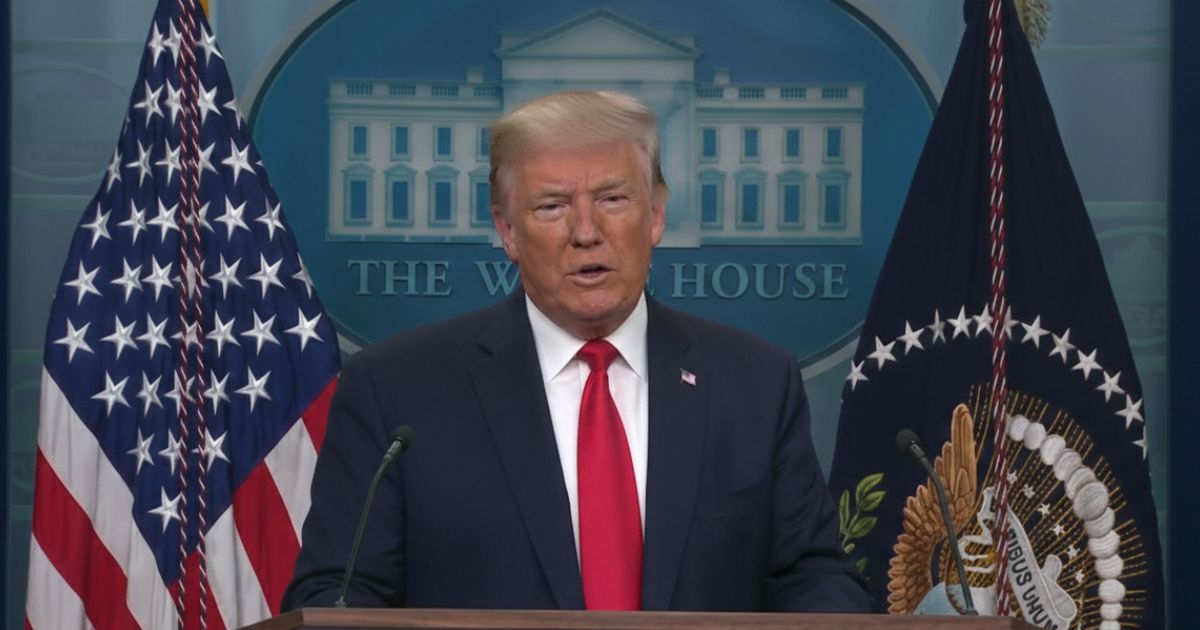
On January 29, former President Donald J. Trump declared a "national emergency," citing what he characterized as an "unusual and extraordinary threat" posed by the Cuban government to the national security and foreign policy of the United States.
This declaration was enacted through an Executive Order signed at the White House, implementing a new tariff system targeting countries that directly or indirectly supply oil to the island nation.
The decision was justified under the "National Emergencies Act" and the "International Emergency Economic Powers Act," responding to Cuba's alignment with "hostile nations, transnational terrorist groups, and malign actors adverse to the United States," including Russia, China, Iran, Hezbollah, and Hamas.
As clarified by former Assistant Secretary of State Yleen Poblete, the national emergency declaration regarding Cuba is not new but continues the one established on March 1, 1996, following the downing of two humanitarian aircraft by Cuban fighters, an incident that resulted in the deaths of three U.S. citizens and a permanent resident.
This emergency has been renewed annually by successive presidents, with the most recent renewal signed by Trump on February 24, 2025. The current document introduces tariffs against nations that sell or supply oil to the Cuban regime.
Perceived Threats: Dangerous Alliances and Direct Threats
The White House claims that Cuba hosts the largest Russian intelligence facility outside of Russia, which is used for spying and stealing sensitive U.S. national security information.
Additionally, the Cuban regime is accused of engaging in "deep cooperation" with the People's Republic of China in defense and intelligence matters and providing safe haven to terrorist organizations such as Hezbollah and Hamas.
The White House asserts that these relationships create a "safe environment" for these groups to expand their economic and military influence in the Western Hemisphere, which Washington views as a deliberate attempt to destabilize the region and directly threaten the United States.
The First Hard Measure: Tariffs on Oil Suppliers to Cuba
The order signed by Trump authorizes the imposition of additional tariffs on goods imported from countries supplying oil to Cuba, even indirectly through third parties.
The Department of Commerce and the Department of State are tasked with identifying involved nations and applying the necessary sanctions. The White House believes this mechanism will "hold the Cuban regime accountable" and cut off its access to strategic resources.
The provision also grants the president broad powers to modify these measures if Havana or affected countries take significant steps to align with U.S. national security and foreign policy goals.
Threat to Democratic Values and Regional Destabilization
The presidential statement highlights that the Cuban communist regime "persecutes and tortures political opponents, denies freedom of speech and press, and corruptly exploits the misery of its people."
Moreover, it accuses Cuba of "spreading its communist ideas and policies across the region," which, according to Washington, poses a threat to democratic values and the hemispheric order.
The Trump administration emphasizes that the national emergency aims not only to curb the Cuban regime's military and intelligence alliances but also to support "the Cuban people's aspirations for a free and democratic society."
This measure is part of a broader action strategy promoted by President Trump since his first term, including immigration restrictions, economic sanctions, and the reversal of rapprochements implemented during Barack Obama's administration.
The White House insists its goal is "to protect national interests and hold the Cuban communist regime accountable for its malign actions."
With the national emergency declaration, Washington formalizes its stance on the Havana regime, positioning it on the geopolitical map not only as an ideological adversary but as a concrete risk to U.S. security and regional stability.
Key Questions About the U.S. National Emergency on Cuba
Why did the U.S. declare a national emergency regarding Cuba?
The U.S. declared a national emergency due to Cuba's alignment with hostile nations and terrorist groups, posing a threat to U.S. national security and foreign policy.
What measures are included in the national emergency declaration?
The declaration includes a new tariff system targeting countries supplying oil to Cuba and grants the president powers to modify measures if aligned with U.S. goals.
How does the U.S. view Cuba's international alliances?
The U.S. views Cuba's alliances with Russia, China, and terrorist organizations as a direct threat to regional stability and U.S. security.