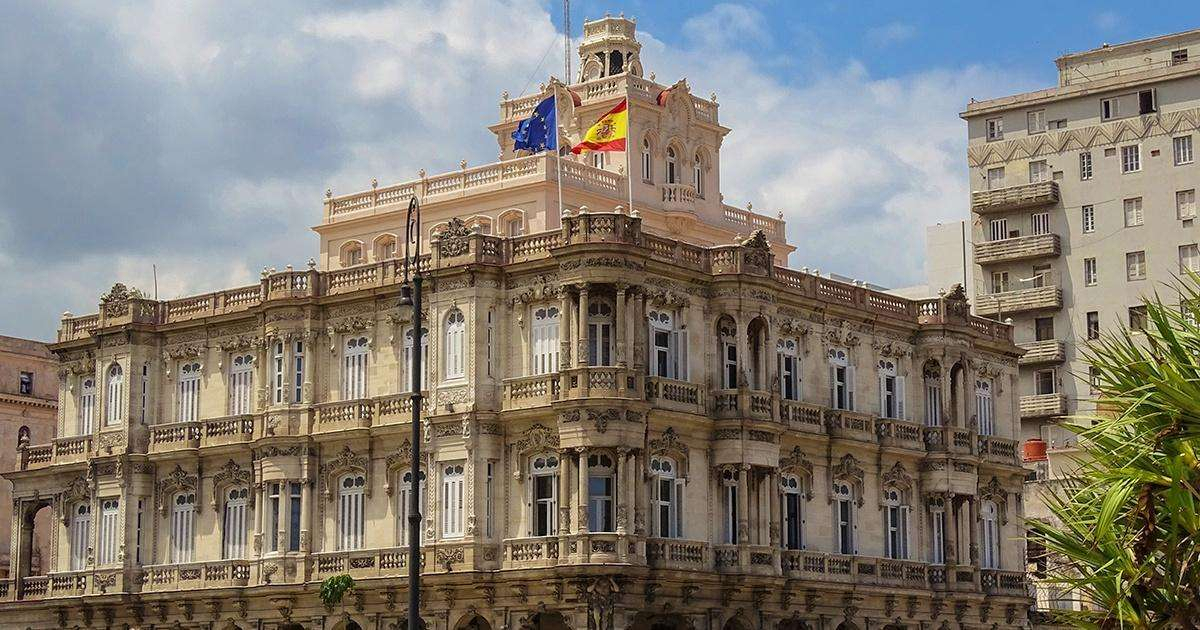
The mounting geopolitical tension in the Caribbean, coupled with the swift deterioration of internal conditions in Cuba, has set off alarm bells. According to EFE, various embassies and international corporations are discreetly updating their evacuation protocols, preparing for the possibility of a significant emergency on the island.
Amid growing pressure from Washington, embassies and global companies operating in the country are reassessing their contingency plans. This comes in a context marked by internal crisis and geopolitical instability in the Caribbean following the U.S. capture of former Venezuelan president Nicolás Maduro.
As reported by the media outlet, concerns have escalated over recent weeks within diplomatic missions and foreign business branches, which are closely monitoring the rapid decline of the Cuban situation. The situation is exacerbated by prolonged blackouts, a severe fuel shortage, and an unprecedented economic collapse.
Embassies Update Lists and Prepare for Emergencies
Diplomatic sources, speaking under anonymity, confirmed that at least ten European and Latin American countries are revising their evacuation plans, checking registries of their citizens residing in Cuba, and even reaching out to them directly to verify information.
“It’s our responsibility to review plans and prepare scenarios,” stated a diplomat in Havana, acknowledging the sensitivity of the subject.
Some embassies are also getting ready to endure extended periods without electricity, water, or fuel—situations increasingly common on the island that could worsen in a more severe crisis. While some embassies don't see an immediate need to activate protocols, they remain vigilant.
International Companies Rethink Operations in Cuba
Uncertainty has also permeated the private sector. Several foreign multinational subsidiaries privately admitted to EFE that they are reconsidering their operations on the island due to two main threats: the possibility of a limited U.S. military intervention and the impact of Cuba’s economic decline on production and logistics.
Corporate sources warned that the frequency of blackouts and fuel shortages is pushing many manufacturing operations to their limits. Some companies claim to have fuel reserves, but fear that if shipments from Venezuela and Mexico are permanently interrupted, production will become unsustainable.
Unilever Evacuates Families of Foreign Workers
One notable case mentioned by EFE is that of the British multinational Unilever, which has reportedly evacuated the families of its foreign employees in Cuba, according to two sources close to the company. The firm, which manufactures hygiene, cleaning, and beauty products on the island, has yet to respond to requests for comment.
Washington Intensifies Rhetoric: “Cuba Is on the Brink”
Since Maduro's capture on January 3, the United States has issued direct warnings to Havana, tightening the energy blockade and forcing the shutdown of Venezuelan oil supplies, Cuba's primary source of energy.
Donald Trump recently asserted that Cuba was “on the brink” following the energy blow and suggested that the only step left was to “go in and destroy the place,” as reported by EFE. Secretary of State Marco Rubio further fueled the tension, stating, “If I were in Havana, I’d be worried, even a little.”
Internal Crisis and Explosive Scenario
This new confrontational climate coincides with Cuba’s worst economic and social downturn in decades: widespread blackouts, general shortages, a health crisis, and a nation still reeling from the devastation of Hurricane Melissa in the east.
Experts quoted by EFE believe the current situation is among the tensest between the two nations since 1959, driven by Washington's assertive stance, which doesn’t rule out military action, and the regime’s extreme fragility amid a total crisis.
FAQ on Cuba’s Current Geopolitical Tensions
What are the main reasons for the heightened tensions in Cuba?
The tensions are primarily due to geopolitical instability in the Caribbean, exacerbated by the U.S. capture of Nicolás Maduro and Cuba's severe internal crises, including economic collapse, prolonged blackouts, and fuel shortages.
How are foreign embassies in Cuba responding to the situation?
Foreign embassies are updating evacuation plans, verifying the status of their citizens in Cuba, and preparing for potential emergencies involving long-term power and resource outages.
What impact is the crisis having on international companies in Cuba?
International companies are reconsidering their operations due to potential U.S. military intervention and the economic decline's impact on production and logistics, with some companies evacuating non-essential personnel.