The cessation of Venezuelan oil supplies has struck a critical blow to the core of the Cuban economy. With no fuel to power tractors, generate electricity, or preserve food, the nation is facing a food crisis that teeters on the brink of famine.
The non-governmental organization Food Monitor Program (FMP) has warned that the end of Venezuelan oil subsidies marks the close of an era that supported Cuba's economy for more than twenty years.
What started as an ideological partnership between Hugo Chávez and Fidel Castro evolved into a barter system that enabled the Cuban regime to endure the Soviet Union's collapse without implementing structural reforms.
The End of an Era
The Comprehensive Cooperation Agreement between Venezuela and Cuba, signed in 2000, secured between 53,000 and 115,000 barrels of oil per day at preferential prices for the Island. In return, Cuba provided professional services, keeping the state machinery active.
Estimates suggest that Venezuela transferred over $35 billion in energy subsidies between 2003 and 2015, allowing the Cuban government to import food, fund its healthcare system, and re-export oil derivatives to earn foreign currency.
As PDVSA's production plummeted from 3.2 million barrels per day in 1998 to less than 700,000 in 2025, the oil flow to Cuba significantly diminished. The 105,000 barrels per day received in 2012 dwindled to fewer than 30,000 by 2025, resulting in extended power outages and the collapse of agriculture and the food industry.
Political Shifts and Economic Consequences
The final blow came in January 2026, when U.S. forces, under President Donald Trump's orders, captured Nicolás Maduro and his wife in Venezuela. Interim President Delcy Rodríguez, in an attempt to normalize relations with Washington, effectively halted crude shipments to Cuba, complying with U.S. demands to end all trade links with the island.
According to FMP, the repercussions have been severe: without Venezuelan oil, Cuba faces a total energy deficit. Power outages exceed 12 hours daily (in some areas, reaching up to 35 hours), and vital water pumping and refrigeration systems are at a standstill.
A Nation on the Brink of Famine
The breakdown of the cold chain prevents the preservation of essential foods; collection centers have ceased operations, and families struggle to cook or store food. FMP cautions that food security has shifted from a logistical issue to a survival challenge.
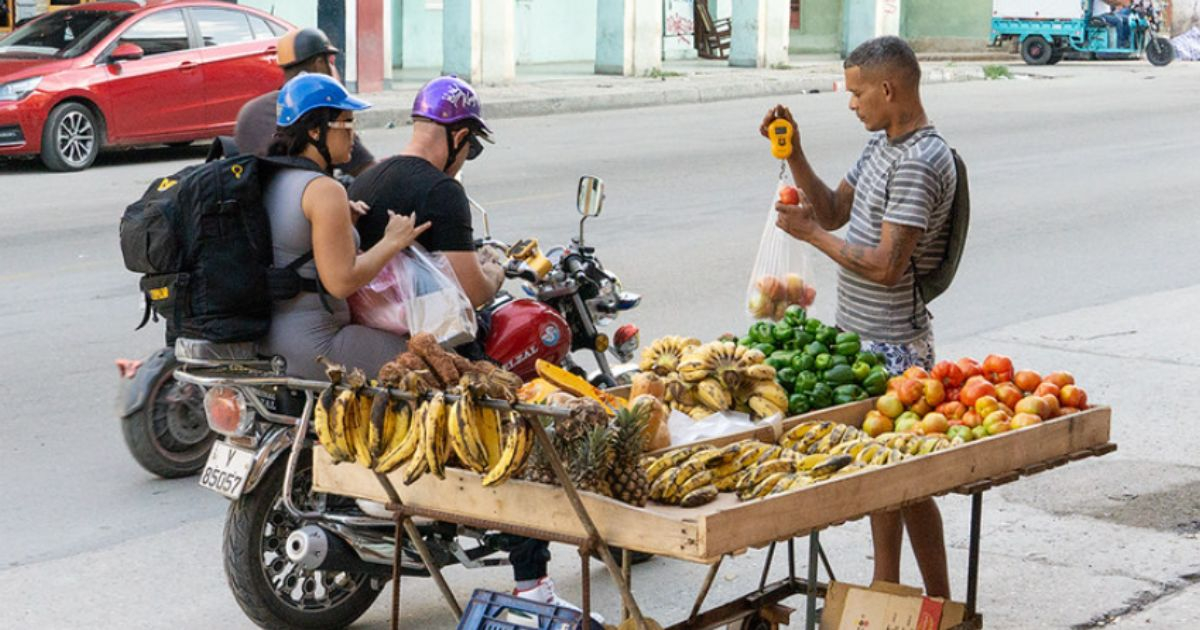
Food prices have surged tenfold over the past five years: a carton of eggs costs 3,000 pesos, and meat, rice, or oil are considered luxury items. The ration book has become obsolete, and the black market along with small private businesses have become the sole sources of food.
The outcome is a nutritional apartheid. Only those with access to foreign currency can purchase imported foods in the private sector, leaving the rest of the population to face malnutrition, protein deficiencies, and the potential resurgence of deficiency diseases reminiscent of the 1990s.
Agriculture is also at a standstill: tractors lack diesel, irrigation systems are inoperative, and the absence of fertilizers reduces production to historical lows. Without oil, the country cannot generate sufficient electricity or maintain its productive infrastructure.
Analysts warn that without genuine agrarian reforms that return land to private hands and free up production, the state will confront a systemic famine that threatens social stability. In this new reality, food will become much more than a nutritional problem—it will be a key factor in the survival of the regime itself.
Furthermore, the outlook remains bleak for Cubans. On one hand, Mexico—currently the main supplier of oil—is considering halting shipments to Cuba; on the other, Trump is contemplating a naval blockade to cut off the regime's access to sustaining hydrocarbons.
Impact of Venezuelan Oil Shortage on Cuba
How has the end of Venezuelan oil affected Cuba's agriculture?
Without Venezuelan oil, tractors lack diesel, irrigation systems are non-functional, and the absence of fertilizers has reduced agricultural production to historic lows.
What has been the social impact of the oil shortage in Cuba?
The oil shortage has led to prolonged power outages, a collapse in the food industry, and soaring food prices, resulting in a nutritional apartheid where only those with foreign currency can afford imported goods.
What measures are being taken by the Cuban government to address the crisis?
As of now, there have been no significant reforms. Analysts suggest that real agrarian reforms are necessary to avert a systemic famine and maintain social stability.