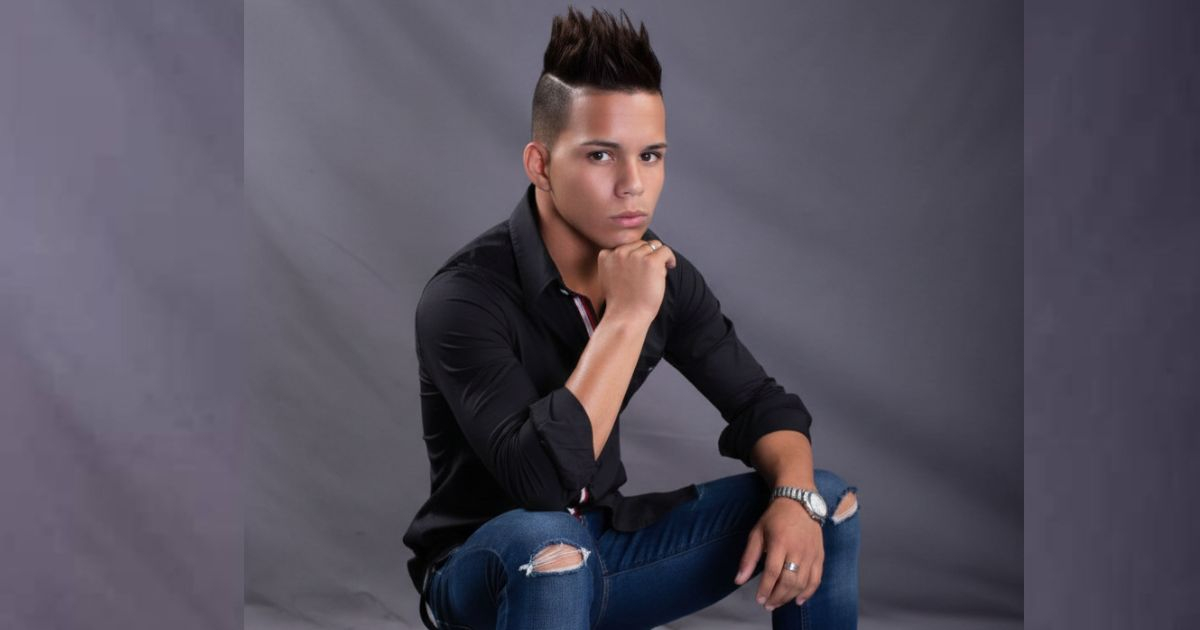
Dr. Miguel Ángel Ruano Sánchez, a Cuban physician, has held the regime accountable for the untimely death of young José Jardiel Mejías. Jardiel passed away in Holguín after a prolonged battle with facial osteosarcoma.
The doctor emphasized that the type of cancer Jardiel suffered from had a high likelihood of being cured. However, the necessary international medical protocols were not followed for his treatment.
Ruano, known for his critical stance against the regime and his advocacy for professional ethics, took to social media to highlight that facial osteosarcoma boasts an over 80% survival rate when patients receive timely and specialized medical care.
"Facial osteosarcoma is a malignant tumor but has a high cure rate globally, especially for young individuals," he stated.
The doctor elaborated that the correct treatment involves pre-surgical neoadjuvant chemotherapy to shrink the tumor, extensive surgical resection, followed by adjuvant chemotherapy. He noted that these procedures were never conducted in Cuba.
"He was never properly or adequately treated," Ruano asserted.
He stressed that the prognosis hinges on a complete surgical removal of the tumor and preventing metastasis through timely intervention, both of which were denied to Jardiel in Cuba.
Ruano was unequivocal in stating that Jardiel's illness was curable: "With combined surgery and chemotherapy, survival rates range from 60% to 85%, significantly higher compared to other cancers. Clearly and strongly: this disease was treatable, and he was not treated."
In his statement, the doctor also lamented that many healthcare professionals in Cuba face limitations on their medical decisions due to institutional pressures.
"A doctor who allows their hands, wisdom, and heart to be bound, for any reason, ceases to be worthy of respect," he warned.
José Jardiel Mejías, a young man from Mayarí and a former Greco-Roman wrestling athlete, became a symbol of resilience and hope as his critical condition was highlighted on social media for months.
Activists like Norge Ernesto Díaz Blak (Noly Blak) and Nelson Álvarez (El Porfiao) publicly supported his case, accusing the state of medical negligence and abandonment.
In November 2025, due to social media outcry, Cuba's Ministry of Public Health (MINSAP) was compelled to release an official statement, yet it failed to provide details on any specialized oncology treatment or the continuity of his medical care.
Following his death, Dr. Miguel Ángel Ruano's words have reignited the debate over the severe healthcare crisis on the island and the systemic deficiencies faced by patients with serious illnesses.
His message concluded with a call for truth and medical justice: "Jardiel is yet another victim of the dictatorship. I choose to remember him as he was: a young man full of life and hope, denied the right to continue living."
Insight on Cuba's Healthcare Crisis and Jardiel's Case
What was the main reason for José Jardiel Mejías not receiving proper treatment?
The main reason was the failure to follow international medical protocols for treating his type of cancer, compounded by systemic deficiencies in Cuba's healthcare system.
What are the survival rates for facial osteosarcoma with appropriate treatment?
With timely and specialized medical care, the survival rates for facial osteosarcoma range from 60% to 85%.