For countless immigrants, the journey to American citizenship symbolizes hope and belonging. However, under Donald Trump's administration, this journey has become fraught with hurdles, fear, and uncertainty. The naturalization process, rather than becoming more efficient, has been complicated by new regulations, more rigorous tests, and sudden cancellations that leave many candidates in a state of immigration limbo.
A recent piece by El País portrays this situation as a true odyssey. The publication highlights how the government has intensified the citizenship test requirements, expanding the question bank and doubling the number of correct answers needed to pass. Additionally, background checks have been tightened with neighborhood visits and interviews involving employers and neighbors. Furthermore, processes that had already been approved for individuals from countries labeled as "high risk"—including Cuba—are being suspended.
The human toll of these policies is starkly evident in stories like that of Mailan Pacios, a 28-year-old Cuban living in Tennessee, whose citizenship exam appointment was abruptly canceled without explanation days before it was scheduled. Having invested considerable resources in her preparation, the cancellation was, as she described to El País, a "cold shower." Unfortunately, her experience is not unique.
In the Cuban community, anxiety is increasingly pervasive. In Hialeah, a hub for immigration processes in South Florida, a Cuban individual who attended a USCIS office appointment to further his naturalization process was instead arrested due to an outstanding warrant in another state.
Other stories reveal even more heart-wrenching aspects of the toughened immigration policy. Moisés Ricardo, a 59-year-old Cuban who had been waiting 17 years to become a U.S. citizen, had his process canceled after open-heart surgery forced him to reschedule his exam. The USCIS letter, devoid of explanation, left him in limbo once again. "It was devastating," he expressed, describing the emotional blow of the news.
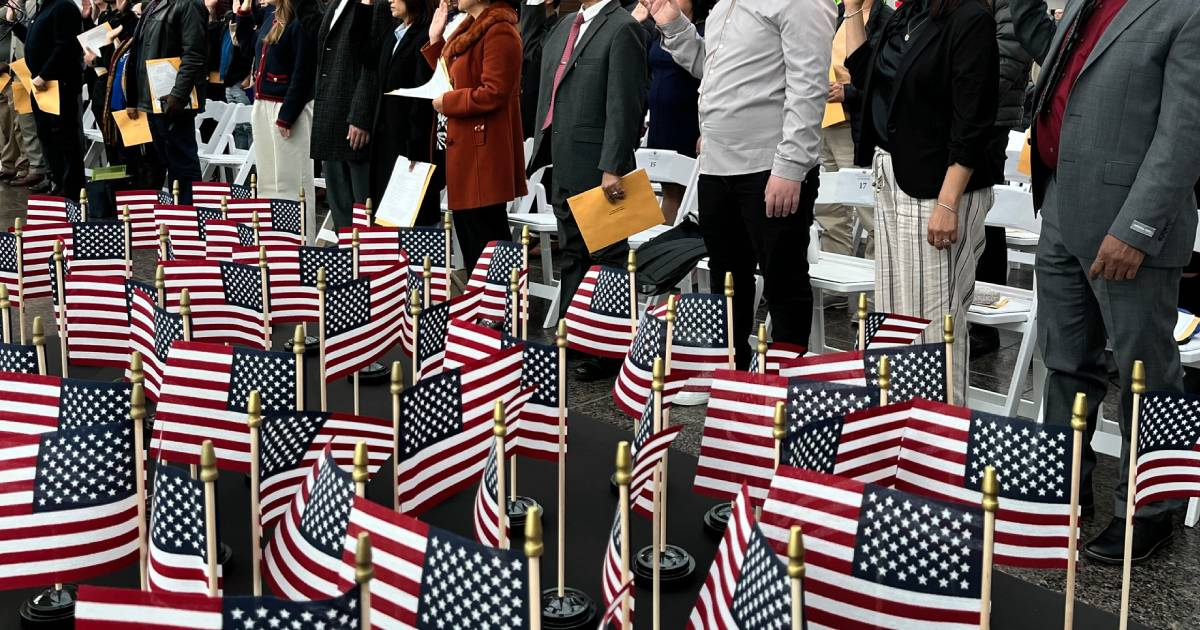
This scenario repeated in cities like Boston, where, in December, immigrants from countries included in a presidential proclamation labeling them as "high risk" were removed from their oath ceremonies just minutes before taking the pledge.
Cubans who had cleared all hurdles and were ready to swear allegiance to the country were sidelined solely based on their birthplace. Notifications were delivered mere hours in advance for some; others found out on the spot, in front of everyone.
Experts cited by El País suggest these measures are not only intended to toughen the process but also to discourage naturalization and foster an atmosphere of intimidation. Compounding this is the elimination of federal programs that assisted immigrants in preparing for citizenship, leaving many community organizations without resources to provide English language or civics education.
For Cubans, who often fled the island's political control and lack of freedoms, citizenship signifies more than just a document. It promises security, civic engagement, and the final closure of a chapter marked by uncertainty. Today, that dream feels more fragile than ever.
As cancellations persist, tests become more challenging, and official silence continues, thousands of Cubans face the fear that the final step toward stability might vanish overnight. The oath remains within reach, yet it seems increasingly distant.
Understanding the Impact of Citizenship Process Changes
What changes have been made to the citizenship exam under Trump's administration?
The exam now has a larger bank of questions, and the number of correct answers required to pass has doubled. Additionally, background checks have become more stringent.
How have these changes affected Cuban immigrants specifically?
Cuban immigrants, particularly those from countries designated as "high risk," have faced abrupt cancellations of their processes, adding to their anxiety and uncertainty.
Why are these measures perceived as a deterrent to naturalization?
Experts argue that the increased difficulty and unpredictability are intended to discourage immigrants from pursuing naturalization, fostering a climate of intimidation.