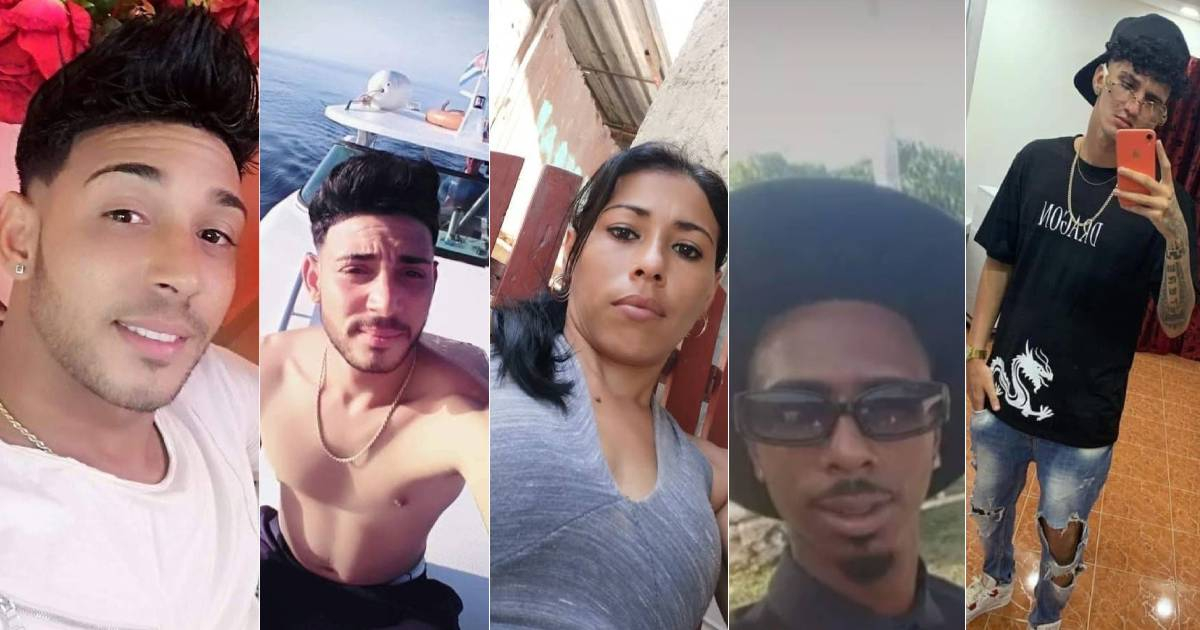
Three years later, the sea continues to return memories that refuse to heal. The wound remains raw in Cárdenas and in the hearts of the families who set out across the Florida Straits, clinging to the hope of a better life, only to meet with tragedy.
"We were a group of 31, setting sail in a makeshift vessel towards the north, filled with dreams of transforming our futures and those of our loved ones," shared Yaylin Mesa Vázquez, one of the survivors, on Facebook. Her account of the shipwreck that occurred in January 2023 paints a vivid picture of a harrowing ordeal that she describes as "extremely bitter" and one that shadows her every day. "We capsized, and to this day, only 11 of us survived," she recounted.
The boat, haphazardly built using metal tanks, departed from the northern coast of Cárdenas. Just a few miles away from solid ground, chaos erupted as the vessel caught fire and then sank. Some managed to leap into the sea, swimming for hours to reach Cayo Angulo. Others were not as fortunate.
"After navigating for hours, desperation set in," Yaylin recalls. "I still have every moment etched in my mind. Sadness overwhelms my thoughts." Among those who never returned was her sister, to whom Yaylin has vowed to fulfill a promise, even if it’s the last thing she ever does.
Journalist and activist Christian Arbolaez also paid tribute to the victims. "Our city still mourns its children," he wrote. As per his account, eleven survived, six bodies were initially recovered, while others surfaced days later. Eleven rafters remain missing, leaving their families in an unending limbo.
The names continue to resonate in the collective memory: young individuals like Kevin Medina, just 22; mothers, daughters, siblings, and friends driven by desperation and the pursuit of freedom. "Each left behind unfinished stories," Arbolaez emphasizes.
At the time, the Cuban government confirmed at least five deaths and a dozen missing, though they refrained from releasing an official list of victims. Families criticized the slow pace of search efforts and sought help from local fishermen, fearing authorities might prematurely call off the operation.
For the survivors, the shipwreck did not conclude in the ocean. It persists in their memories, in their shattered dreams, and in the pain that resurfaces each anniversary. "To those of us still here, let us gather strength so that this memory doesn't cripple us but instead makes us stronger," wrote Yaylin. Yet, she also acknowledged that some losses are insurmountable; one merely learns to live alongside them.
Three years on, Cárdenas remembers. So do the families, still gazing towards the horizon, waiting for answers the sea will never provide.
Understanding the Cuban Tragedy at Sea
What led the group to embark on such a risky journey?
The group was motivated by a desire for a better future and the hope of improving their lives and those of their families, driven by desperation and the quest for freedom.
How many survived the tragic incident?
Out of the 31 individuals, only 11 survived the shipwreck.
What was the Cuban government's response to the tragedy?
The Cuban regime confirmed at least five deaths and a dozen missing individuals but did not provide an official list of victims, which led to criticism from the families for the slow search efforts.