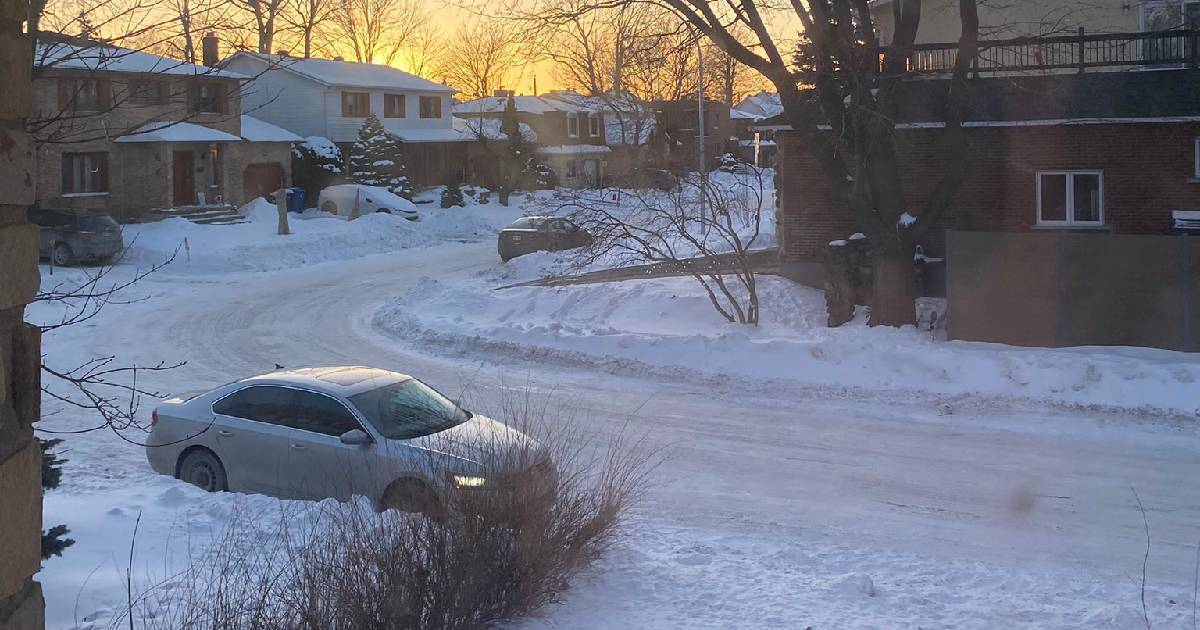
This Saturday, Canada is grappling with one of its coldest episodes in recent years, as wind chills plunge to an astonishing -67 degrees Fahrenheit. This extreme weather is the result of a polar vortex settled over the western part of the country, according to meteorological authorities.
The provinces in the west, often referred to as the Prairies, are bearing the brunt of this Arctic air, causing a historic temperature drop, as reported by EFE news agency. Meanwhile, in Ontario—Canada's most populous province and its industrial hub—wind chills are ranging between -22 and -49 degrees, according to Environment Canada.
These severe conditions have significantly impacted air travel. Air Canada has reported delays and flight cancellations at both Toronto and Montreal airports, with similar disruptions occurring in cities like Quebec and Halifax along the Atlantic coast.
The intense cold is also straining power systems. Nova Scotia Power has urged residents to conserve energy due to a significant spike in demand. Similar warnings have been issued in Newfoundland and Labrador, where the power grid is nearing its maximum capacity.
In urban areas such as Toronto and Hamilton, shelters for the homeless are operating at full capacity. Municipal authorities have instructed shelters to accept everyone, given the risk of frostbite in mere minutes, especially at night.
Despite the extreme temperatures, Niagara Falls continues to draw tourists eager to witness and photograph the partially frozen spectacle, a common sight in harsh winters but particularly striking this time.
Environment Canada has warned that the extreme cold will persist for several days in some areas, with heavy snowfall anticipated in provinces like Ontario starting Sunday, further worsening weather and travel conditions.
Similarly, in the United States, several regions have been declared in a state of "emergency" due to the winter storm.
Understanding Canada's Severe Cold Wave
What is causing the extreme cold in Canada?
The extreme cold in Canada is primarily due to a polar vortex positioned over the western regions, which is bringing Arctic air and causing temperatures to plummet.
How is the cold affecting daily life and infrastructure in Canada?
The cold has led to significant disruptions in air travel, with numerous flight delays and cancellations. It has also put pressure on power systems and increased demand for energy conservation. Shelters are overwhelmed with the homeless seeking refuge from the extreme weather.