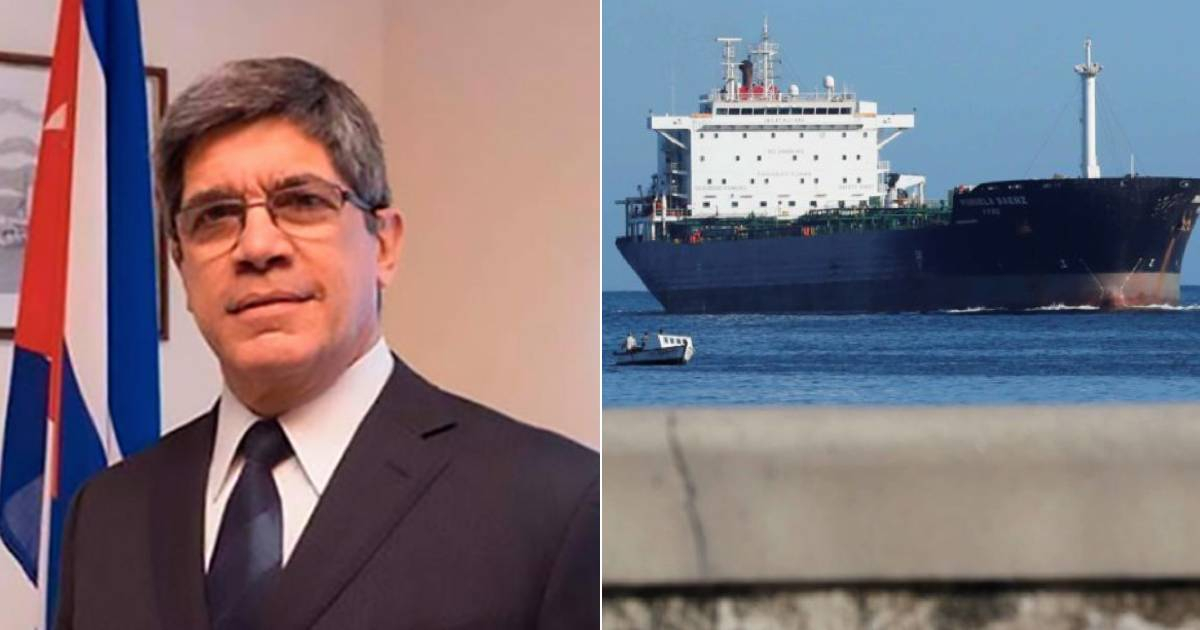
In Havana, Carlos Fernández de Cossío, the Deputy Minister of Foreign Affairs, condemned the potential of a U.S. naval blockade on the island as an "act of war." This measure, he argues, aims to halt fuel deliveries and exacerbate the ongoing energy crisis affecting millions of Cubans.
Fernández de Cossío portrayed the notion of a naval blockade as "a brutal assault on a peaceful nation," asserting that Cuba poses no threat to the United States. In a social media post, he emphasized that the country's economic hardships are "engineered in the U.S." and questioned why there is fear over Cuba resolving its issues independently.
The diplomat's remarks followed a report by the American outlet POLITICO, which disclosed internal discussions within the Trump administration about possibly imposing a complete blockade on oil imports to Cuba.
According to sources cited by the publication, the proposal has yet to be finalized and is part of a broader set of options that might be presented to the president as a strategy for regime change by 2026.
Internal Divisions Over Potential Blockade
The report indicates that the idea is supported by influential figures in the U.S. government, including Secretary of State Marco Rubio. However, there is internal discord over the potential humanitarian crisis such a drastic measure could trigger in Cuba.
Cuba imports approximately 60% of its oil, and a complete cut-off would have an immediate effect on the already struggling electrical system.
Historical Context and Current Tensions
As reported by Venezuela-based leftist outlet La Radio del Sur, Fernández de Cossío also noted that during Trump's first term in 2019, hardliners within the U.S. government attempted a similar move, which was halted by national security agencies for being deemed reckless and dangerous.
Recently, Foreign Minister Bruno Rodríguez has also denounced increased "threats and aggressions" from the United States. During a meeting with accredited diplomats in Havana, he linked the alleged escalation against Cuba to events in Venezuela, following the U.S.-authorized capture of President Nicolás Maduro in early January.
Rodríguez accused the Trump administration of using platforms like Truth Social to announce supply and funding cuts, describing these actions as deliberate attempts to suffocate the Cuban economy. While government officials speak of resilience, sovereignty, and dignity, ordinary citizens face an increasingly difficult daily life.
Nevertheless, the POLITICO report notes that no definitive decision has been made, and Washington continues to allow Mexico to supply fuel to the island, a policy that stands in contrast to the more aggressive rhetoric from the current U.S. president.
Key Questions on U.S.-Cuba Relations
What is the potential impact of a U.S. naval blockade on Cuba?
A U.S. naval blockade could severely disrupt Cuba's fuel supplies, exacerbating the current energy crisis and potentially leading to a humanitarian crisis due to the island's heavy reliance on imported oil.
Why is the idea of a blockade controversial within the U.S. government?
The idea is controversial because it risks provoking a humanitarian crisis in Cuba, which could have international repercussions. There is also disagreement within the U.S. administration about the appropriateness and risks of such a measure.
How has Cuba responded to these potential U.S. actions?
Cuban officials have condemned the potential blockade as an act of aggression and have accused the U.S. of orchestrating economic difficulties in Cuba. They emphasize their desire to resolve issues without external interference.