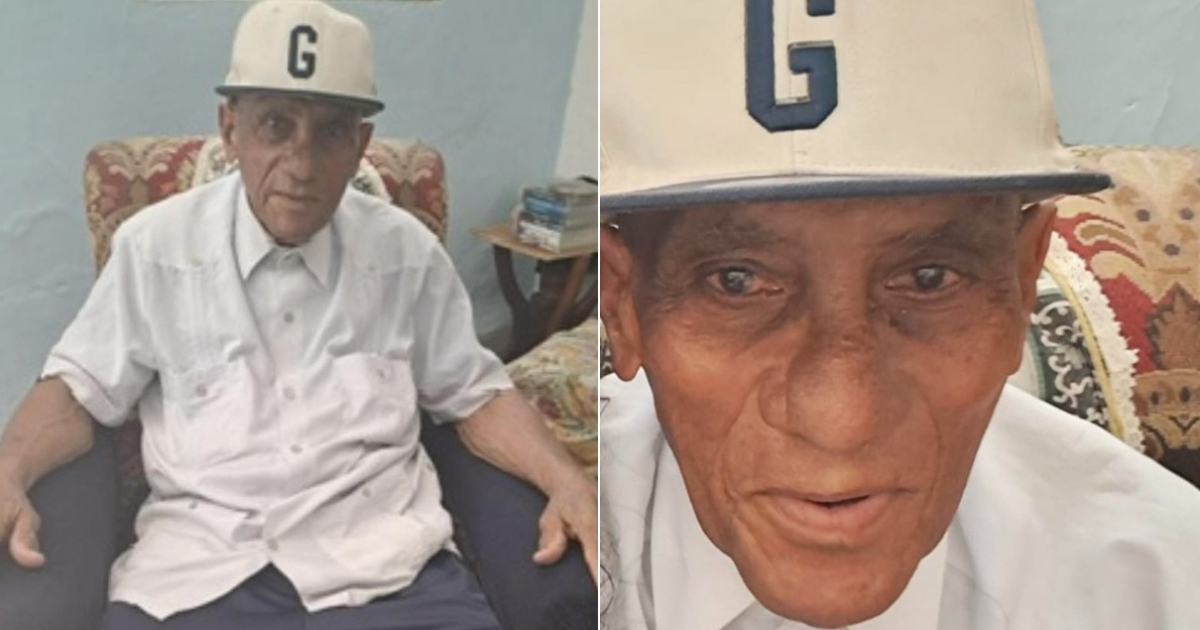
The family of an elderly man from Güira de Melena, Artemisa, is enduring days of distress following his disappearance on January 12.
José Rafael Lorie Sánchez, aged 84, left his home that day despite feeling unwell.
Before departing, he informed a neighbor that he was heading to Calixto García Hospital in Havana. However, there is no record of him there or at the Naval Hospital, where he often received care.
His daughter, Leticia Palacios Lorie, took to Facebook to urgently appeal for help after nearly two weeks without any information about his whereabouts.
"No one has reached out to me, as he sometimes has done in the past. I have no contact with any of his military friends," she stated.
The family has also been unable to reach any of the elderly man's military friends, adding to their uncertainty.
Leticia fears her father might be without identification and could be confused or incoherent.
"At this point, the concern only grows larger. So many days without any news of him! We have no idea where he is, or if he's staying with someone or a friend," she expressed.
With little information available, the family decided to make several phone numbers public so anyone with information can contact them: Leticia's, her brother Jorge's, and a stepbrother named Hugo's numbers. "Thank you," she concluded in her message.
Beyond this specific case, the situation underscores a broader issue affecting many families in Cuba.
When someone goes missing, families often find themselves largely alone in the search. Without effective mechanisms or clear responses from authorities, the burden falls almost entirely on those suffering the absence.
Instead of having an active tracking system, many families are forced to turn social media into their primary tool.
Platforms like Facebook and WhatsApp, along with independent media and the support of ordinary citizens, become substitutes for what should be a sustained institutional effort.
Leticia and her father's story is not unique. It's yet another example of how, in the absence of real support, Cubans must rely on public solidarity to try and find their loved ones.
The anguish stems not only from not knowing where a person is but also from feeling that the search depends almost entirely on the family's efforts and the reach they can achieve online.
Challenges in Finding Missing Persons in Cuba
What challenges do families face when searching for missing persons in Cuba?
Families often face the challenge of lacking effective mechanisms and clear responses from authorities, leaving them to conduct searches largely on their own.
How do families in Cuba search for their missing loved ones?
Many families turn to social media platforms like Facebook and WhatsApp, along with independent media, to seek public support and information.