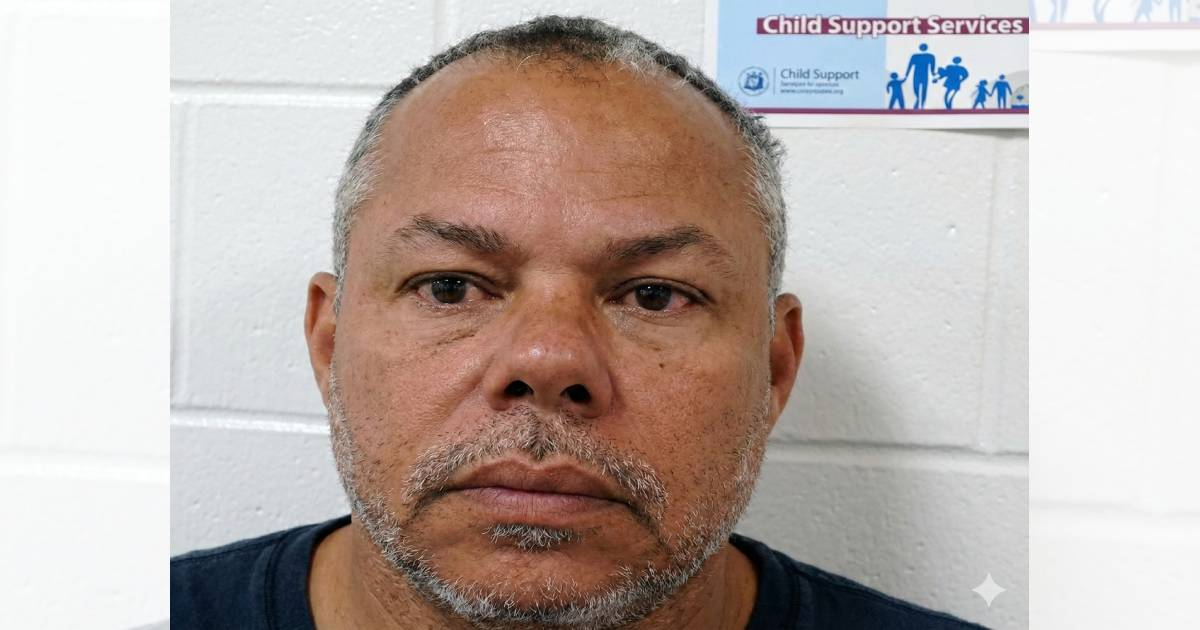
The United States Department of Homeland Security (DHS) has recently added a Cuban national to its “Worst of the Worst” list, which highlights immigrants with criminal backgrounds apprehended by the Immigration and Customs Enforcement (ICE).
According to the DHS website, Evis Peguero-Cotarelo, a Cuban citizen, is listed among the most dangerous criminals recently captured in ICE operations throughout the nation.
The official statement reveals that Peguero-Cotarelo was convicted of first-degree murder involving a deadly weapon in Miami-Dade County, Florida.
This announcement is part of a January 23rd update from DHS, emphasizing the capture of immigrants with violent crime convictions, including murder, rape, armed robbery, and connections to gangs like MS-13.
“President Trump and Secretary Noem have empowered ICE to target the worst of the worst,” stated Tricia McLaughlin, Deputy Secretary of Homeland Security, while presenting the results of the operation.
The official release highlights DHS data indicating that 70% of ICE's arrests involve illegal immigrants accused or convicted of crimes in the United States.
The agency has encouraged citizens to review the complete list of detainees on the public platform WOW.DHS.Gov, which provides individual profiles including names, countries of origin, and criminal backgrounds.
Among the detainees are other immigrants, such as a Salvadoran linked to MS-13, a Mexican convicted of rape, and a Jamaican sentenced for armed bank robberies.
The DHS has framed these cases as part of a deportation strategy prioritizing individuals with criminal histories.
U.S. authorities have stressed that these operations aim to bolster internal security and fulfill the promise of intensifying deportations, starting with the most dangerous immigrants.
The DHS states that the current administration is heading towards a “historic year” in immigration control, marked by record deportations, reduced drug trafficking, and sustained ICE actions across the country.
Aside from high-profile cases labeled as “the worst of the worst,” other arrests of Cubans by ICE in recent immigration operations are not uncommon.
In recent months, Cuban nationals with various criminal backgrounds have been detained by U.S. immigration authorities under different circumstances, from voluntary appearances at immigration offices to incidents in cities like New Orleans or Boston, where some faced charges ranging from vehicular assault to more serious offenses ascribed by local prosecutors.
These arrests, part of an aggressive immigration law enforcement policy, have been documented by news outlets and community tracking platforms, demonstrating how Cubans residing or in the process of regularization have ended up under ICE custody in different parts of the country.
The escalation of raids and the expansion of ICE's powers have also sparked significant backlash from Democratic politicians and civil rights advocates in the United States.
Legislators like Senator Richard Blumenthal have called for investigations into internal directives allowing immigration officers to enter homes with “administrative warrants” without judicial review, describing such practices as a threat to fundamental freedoms protected by the Constitution.
Furthermore, during recent Congressional votes on DHS funding, many Democrats opposed allocating additional resources to ICE, citing concerns about power abuse, indiscriminate detentions, and human rights violations, especially following incidents of excessive force and deaths in custody.
These criticisms underscore a broader national debate on the role of ICE and the priorities of the U.S. immigration system in light of increasingly stringent security policies.
Frequently Asked Questions on ICE Operations and Cuban Nationals
What is the “Worst of the Worst” list?
The “Worst of the Worst” list is an official compilation by the DHS that highlights immigrants with serious criminal backgrounds who have been apprehended by ICE.
How does ICE prioritize its deportation targets?
ICE prioritizes deportation targets by focusing on individuals with criminal convictions, especially those related to violent crimes and gang affiliations.
What has been the response to ICE’s expanded operations?
ICE's expanded operations have led to criticism from Democratic lawmakers and civil rights groups due to concerns about potential abuses of power and human rights violations.