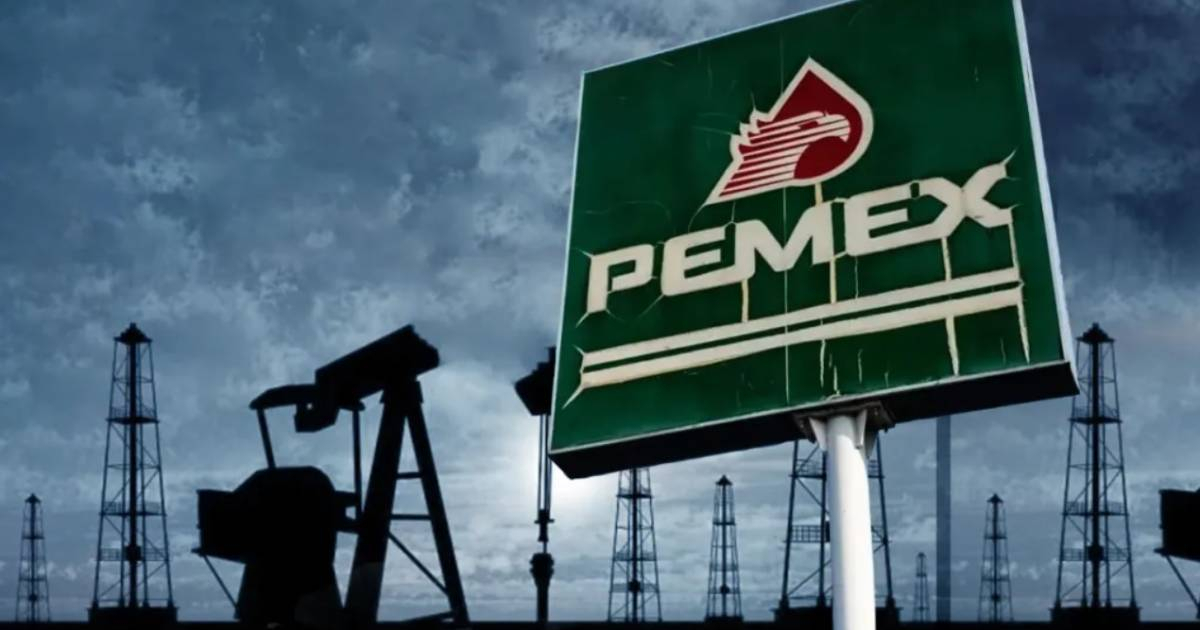
The Mexican government is currently assessing whether to continue supplying oil and fuel to Cuba amid fears that this policy might provoke retaliatory actions from the administration of U.S. President Donald Trump.
According to three sources familiar with the discussions and consulted by Reuters, this assessment—which had not been previously disclosed—comes at a time when Mexican shipments have become a lifeline for the island following disruptions in Venezuelan supplies due to recent events and actions in Venezuela.
Although President Claudia Sheinbaum has publicly stated that Mexico will maintain the shipments, citing long-term contracts and their classification as international aid, high-level sources revealed that the policy is under internal review. Concerns are growing within the cabinet about the potential political and commercial costs of provoking Washington.
Potential Scenarios on the Table
Reuters reports that three potential scenarios are being considered: complete suspension, reduction, or full continuation of oil shipments.
The catalyst for this review is the increased pressure from Washington. Trump has asserted that Cuba is "ready to fall" and declared on January 11 on Truth Social, "NO MORE OIL OR MONEY FOR CUBA! ZERO!"
Geopolitical Tensions and Economic Strain
Simultaneously, the blockade of oil tankers in Venezuela in December and the recent capture of Nicolás Maduro have hindered Venezuelan shipments to Cuba, positioning Mexico as the primary supplier amid energy shortages and widespread blackouts on the island.
This review process also aligns with Mexico's efforts to renegotiate the USMCA and to convince the U.S. that it is sufficiently combating cartels. This unfolds in a climate where Trump has escalated rhetoric about potential U.S. action, while Sheinbaum has reiterated that any unilateral operations on Mexican soil would severely violate sovereignty.
Diplomatic Interactions and Internal Concerns
Two Reuters-cited sources mentioned that Trump questioned Sheinbaum during a phone call last week about the oil and fuel shipments to Cuba and the presence of thousands of Cuban doctors in Mexico. Sheinbaum reportedly responded that the oil is "humanitarian aid" and that the agreement with the doctors complies with Mexican law; the sources added that Trump did not directly request Mexico to halt the oil.
The Mexican Presidency responded to Reuters by asserting that Mexico "has always stood in solidarity with the Cuban people" and defended the oil shipments and doctors' agreement as "sovereign decisions." Cuba did not reply to a request for comment, the report notes.
U.S. Surveillance and Strategic Concerns
Sources also indicated growing unease within the Mexican government over an increased presence of U.S. Navy drones over the Gulf of Mexico since December. Reuters includes reports from local media based on flight tracking that suggest Northrop Grumman MQ-4C Triton drones have conducted flights over the Bay of Campeche, roughly following the route of Mexican fuel tankers en route to Cuba.
Similar reconnaissance aircraft were reportedly seen off Venezuela's coast in December, days before the U.S. attack there, according to the same report.
Cuba heavily relies on imports of refined fuel for electricity generation, gasoline, and aviation fuel. In this context, Pemex reported that between January and September of the previous year, Mexico sent Cuba 17,200 barrels of crude oil and 2,000 barrels of refined products daily, valued at approximately $400 million, according to information Pemex submitted to the U.S. SEC, as reported by Reuters.
Within Sheinbaum's administration, some officials fear that cutting off oil to Cuba could lead to a humanitarian disaster, potentially triggering mass migration to Mexico. As a result, some advocate for maintaining at least part of the supply.
The final decision has yet to be reached. For now, it is confirmed that Mexico is evaluating changes in its energy shipment policy to Cuba, weighing geopolitical, humanitarian, and commercial costs, with its relationship with the Trump administration being a central factor, according to Reuters.
Key Questions on Mexico's Oil Policy Toward Cuba
Why is Mexico reconsidering its oil shipments to Cuba?
Mexico is reevaluating its oil shipments to Cuba due to concerns about potential retaliatory actions from the U.S. under President Trump's administration, as well as the geopolitical and commercial costs involved.
How crucial are Mexican oil shipments to Cuba?
Mexican oil shipments have become vital for Cuba, especially after Venezuelan supplies were disrupted. These shipments help address Cuba's significant energy shortages and frequent blackouts.
What are the potential outcomes of Mexico's policy review?
The outcomes being considered include a complete suspension, a reduction, or a full continuation of oil shipments to Cuba. The decision will take into account geopolitical, humanitarian, and commercial implications.