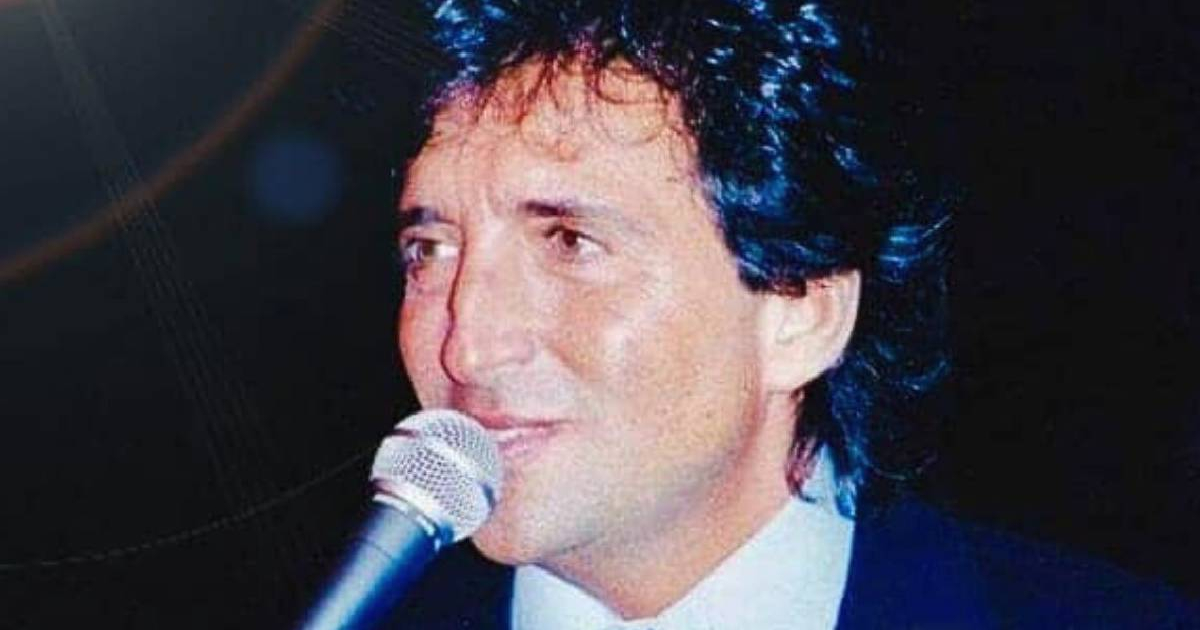
The world of Cuban music mourns the loss of Alfredo "Alfredito" Rodríguez (1951–2026), a celebrated singer and songwriter who captured the hearts of the Cuban people for over forty years.
With a distinctive voice and a charisma that crossed both stages and screens, Alfredito left an indelible mark on the hearts of numerous generations of Cubans.
Born in Havana in the late 1950s, Alfredito launched his professional career in 1968 on Cuban television after honing his vocal skills under the guidance of Italian professor Sisco Francha and expanding his musical education at the Teatro Amadeo Roldán.
Just a year into his career, he gained significant recognition as the host of the program “Buenas Tardes,” quickly becoming a familiar presence in Cuban households.
A Meteoric Rise in Popularity
The 1980s and 1990s saw Alfredito's rapid rise to fame across Cuba, with hit songs like “Empapado de sudor,” “Que me encapricho,” and “Sagitario” becoming anthems of Cuban romantic music, beloved by people of all ages across the island.
His repertoire, a blend of Cuban popular music and international influences, solidified his status as a versatile artist capable of connecting with audiences of all ages.
An Iconic Presence
In the 80s and 90s, Alfredito wasn't just a prevalent voice on radio and television; he was also seen as a charismatic idol, a heartthrob whose image and style defined an era.
His concerts filled iconic venues like the Karl Marx Theater, and his tours around the country made him the most sought-after male solo artist in Cuba's music scene.
Recognition and Legacy
Throughout his illustrious career, Alfredito received eight Girasol Awards, voted by the public through Opina magazine, highlighting the affection he inspired among his fans. This accolade was awarded to the island's most outstanding artists each year.
His discography, featuring albums such as "Mirándote así," "Sagitario," "El ritmo del corazón," "Soy lo prohibido," and "Amor y fortuna," is noted for the simplicity and emotional depth of his songs.
Continued Success and Final Years
In the 21st century, Alfredito returned to Cuban television in a different role—as an interviewer and communicator. Programs like “Su noche con Alfredo” and “En familia con Alfredo” shattered viewership records, proving that his bond with the audience remained strong.
He attributed his success to a simple principle: “The key is to find your truth and communicate it.”
After leaving Cuba in the mid-2000s, Alfredito spent several years in Mérida, Mexico, before settling permanently in Miami in October 2012, where he lived until his passing on January 22, 2026.
In exile, he remained artistically active, frequently performing for the Cuban community and participating in radio and television programs.
In 2018, the city of Miami declared November 10 as Alfredo “Alfredito” Rodríguez Day in honor of his cultural contributions.
His passing, announced by his family on social media, has sparked a wave of reaction and farewell messages from fans of various generations, both inside and outside Cuba.
His son, renowned pianist Alfredo Rodríguez Jr., shared heartfelt words, emphasizing his father’s dedication to music, his principles, and his family.
Alfredito Rodríguez was much more than a singer; he was a constant presence in Cuba's cultural and emotional life.
Alfredito Rodríguez's Cultural Impact and Legacy
What were some of Alfredito Rodríguez's most famous songs?
Some of Alfredito Rodríguez's most renowned songs include “Empapado de sudor,” “Que me encapricho,” and “Sagitario,” which became iconic anthems of Cuban romantic music.
How did Alfredito Rodríguez impact Cuban culture?
Alfredito Rodríguez left a lasting impact on Cuban culture through his music, which resonated with people of all ages. He was a charismatic figure and a staple in Cuban households, contributing significantly to the island's cultural and emotional fabric.
Where did Alfredito Rodríguez live after leaving Cuba?
After leaving Cuba, Alfredito Rodríguez lived in Mérida, Mexico, for several years before settling in Miami in 2012, where he spent the remainder of his life.