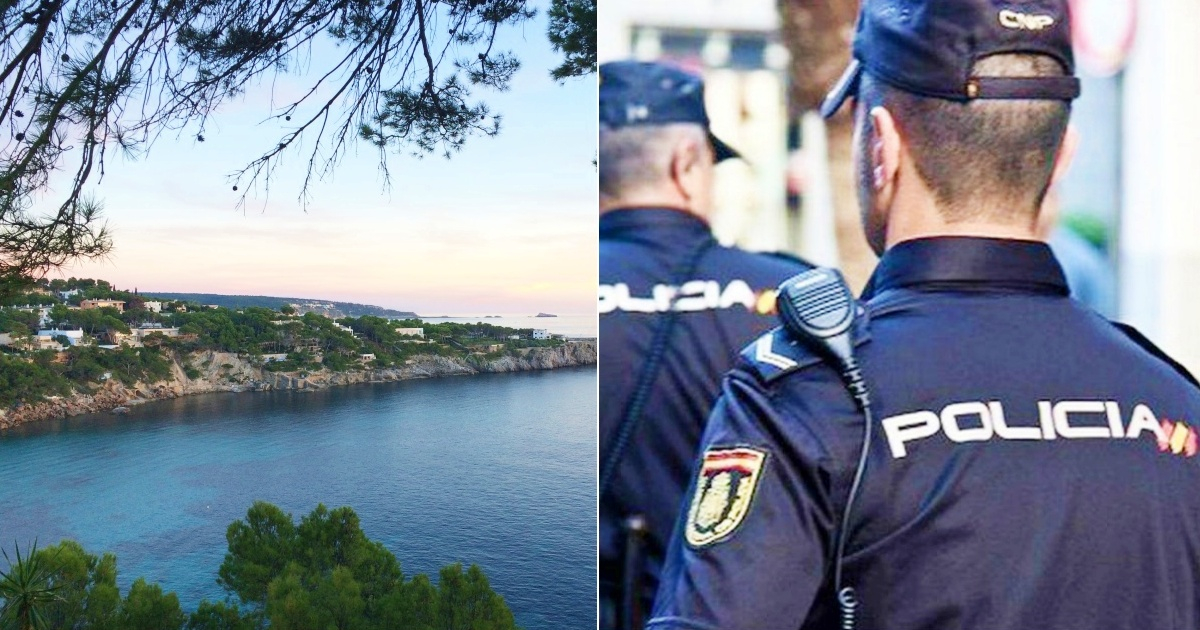
A Cuban woman and her two young children have been holed up for several months in a luxury residence featuring a pool, situated in one of the most prestigious neighborhoods of Calvià, Mallorca, in Spain's Balearic Islands.
This situation, currently under judicial review, has sparked major concerns among the homeowners and local residents, with numerous complaints being filed regarding non-payment and threats.
Initial Rental Agreement: A Seemingly Secure Arrangement
On August 1, 2024, a family from Mallorca who owned the property entered into a rental agreement with a Danish businessman. The terms appeared robust: a monthly rent of 3,000 euros, two months' deposit, and six months’ rent paid in advance, as exclusively reported by Spanish outlet OK Diario.
Initially, the apparent financial stability of the tenant and the upfront payment provided peace of mind to the property owners. For the first few months, the rental arrangement proceeded smoothly without any issues.
However, the situation changed drastically when the businessman returned to his home country, leaving his then romantic partner, a Cuban citizen, residing in the house with her children.
Separation, Abandonment, and Home Occupation
Complications arose on October 3, 2025, when the tenant informed both the real estate agency and the owners of his separation from his partner, instructing them to deal directly with her moving forward. Despite reminders from the agency that the lease was solely in his name, the businessman completely withdrew from the situation, leaving the Cuban woman, whose identity remains undisclosed, to stay in the home without paying rent.
The Spanish media outlet claimed that this person had previous incidents of conflict and non-payment in other properties, though this has not been officially verified.
Allegations of Threats and Rising Tensions with Neighbors
Beyond passive occupation, tensions escalated when the homeowners reported the woman to the Civil Guard for allegedly making verbal threats. Reported statements included warnings like, "Be careful when you walk down the street," and claims about her connections, such as "I have a Cuban friend who is as big as a wardrobe."
She purportedly asserted her right to reside in the house, referring to it as hers. These remarks alarmed the homeowners and neighboring community, disrupting the peace in an area primarily inhabited by affluent British, German, and other high-net-worth individuals.
The community's president formally complained, labeling the situation as a “nightmare” and calling for immediate intervention due to what they consider inappropriate behavior by the occupant.
Homeowners’ Desperation
As the legal process unfolds, the property-owning family feels "desperate and defenseless." Their concerns extend beyond mere eviction delays; they fear significant deterioration of the property's condition over time. Financially burdened, the family continues to cover utility and maintenance expenses exceeding 1,000 euros monthly, despite receiving no rental income.
OK Diario reported attempts to contact both the Danish businessman and the Cuban woman, but neither party responded. The case remains in court as the occupant continues residing in the upscale home, allegedly living at the expense of others, according to the owners' complaint.
This incident highlights broader issues involving unlawful property occupations in Spain. Current laws provide considerable protection to occupants, complicating immediate eviction, even without a valid lease or in cases of non-payment.
Property owners frequently face protracted legal battles to reclaim their homes, often with significant financial and emotional repercussions.
In recent years, several Cubans have been identified by authorities as squatters or "okupas."
The Notorious Case of "León"
One notable case involved "León," a Cuban deported to the Czech Republic in November 2024. Tracked by authorities since 2020, León occupied luxury villas in Marbella and Estepona. By exploiting Spanish laws that prevent eviction if a home houses pregnant women or minors, León used these properties for illicit activities. He rented them to drug traffickers for fuel storage for boats smuggling drugs from North Africa to Spain.
León's luck ran out on August 12, 2024, after a fatal shooting at one of his after-hours parties in an occupied Estepona villa. A British man shot a Serbian criminal, posing as a Belgian citizen, involved with Balkan crime groups. This incident marked the end of León's illegal ventures in Spain, as he was ultimately expelled but avoided deportation to Cuba due to his political asylum in the Czech Republic.
Understanding the Legal Nuances of Property Occupation in Spain
What legal protections do occupants have in Spain?
Spanish law offers significant protections to occupants, often making immediate eviction challenging, especially if the property houses vulnerable individuals like pregnant women or minors.
How has the community reacted to the occupation?
The community has responded with concern and frustration, as the situation has disrupted the peace and safety of the affluent area, prompting formal complaints and calls for urgent intervention.
What are the homeowners' main concerns?
Homeowners are primarily worried about the potential deterioration of the property and the financial burden of upkeep expenses without receiving rental income.