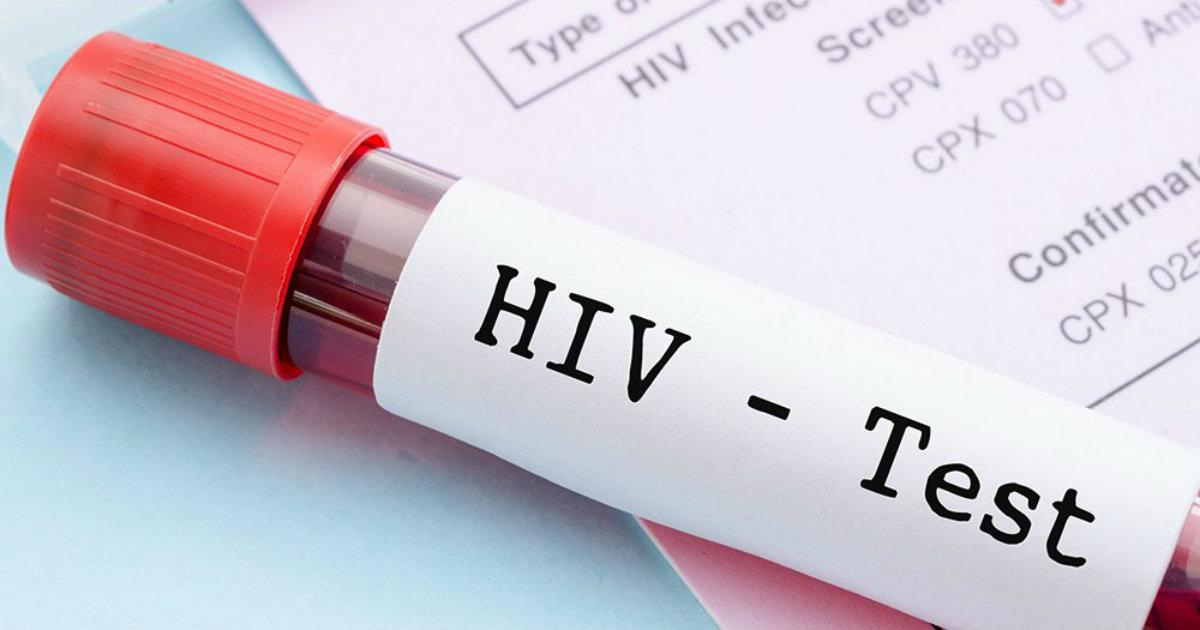
Over 16,000 individuals living with HIV in Florida might lose access to their essential medications starting March 1 due to a $120 million reduction in the AIDS Drug Assistance Program (ADAP).
This decision, driven by the administration of Governor Ron DeSantis, has sparked protests in Tallahassee and elicited strong reactions from civil organizations and public health experts.
Florida leads the nation in new HIV infections, and these budget reductions disproportionately affect African American and Latino communities.
Out of approximately 130,000 people living with the virus in the state, around 30,000 rely on ADAP to access their treatment.
According to a report by Telemundo 51, hundreds of activists gathered this week in front of the state Capitol and the Department of Health headquarters to protest what they see as a political decision endangering human lives.
Esteban Wood, Director of Advocacy, Legislative Affairs, and Community Engagement for South Florida at AIDS Healthcare Foundation, told EFE that the majority of HIV patients are African American and Latino.
"They will be significantly affected," he stated.
The Florida Department of Health claims the adjustments are due to federal changes, including the expiration of subsidies related to the Affordable Care Act (ACA) in 2025.
As a result, starting in March, patients must demonstrate incomes below 130% of the federal poverty level—less than $20,345 annually—compared to the previous threshold of 400% (around $62,600). Additionally, they will be required to use generic medications.
Experts warn that these changes will not only disrupt treatments but also lead to preventable illnesses and increased virus transmission.
Michael Rajner, an activist living with HIV and contributor to Equality Florida, argued that the official justification does not hold up, as Florida has not experienced a federal funding cut.
The epidemiological context exacerbates the situation.
Florida ranks third nationally in new HIV infections, with 16.7 diagnoses per 100,000 residents, a figure that rises to 33.3 in Miami-Dade County.
Additionally, the expiration of ACA subsidies and other federal cuts could increase the proportion of uninsured people in the state to nearly 17%.
Wood highlighted the economic impact of the cuts, noting that the cost of a private health insurance premium is $1,500 per month, which many cannot afford, leading them to abandon treatment.
"If they stop taking their medicine, it will create a huge public health problem," he emphasized.
Organizations warn that beyond the human drama, these cuts could ultimately cost the healthcare system more due to increased hospitalizations, infections, and transmissions.
For activists, this is not just a budget issue, but a political decision with direct consequences on the lives of thousands of people.
Impact of HIV Treatment Cuts in Florida
Why are HIV patients in Florida facing treatment disruptions?
HIV patients in Florida are facing treatment disruptions due to a $120 million cut in the AIDS Drug Assistance Program (ADAP), largely attributed to changes in federal policies and the expiration of ACA subsidies.
How will the budget cuts affect communities in Florida?
The budget cuts will disproportionately affect African American and Latino communities, who make up the majority of those relying on ADAP for treatment. These communities will face significant health risks if access to medication is lost.
What is the economic impact of the health cuts on individuals?
The economic impact is severe, as many individuals cannot afford the $1,500 monthly premium for private health insurance, risking their ability to maintain treatment.