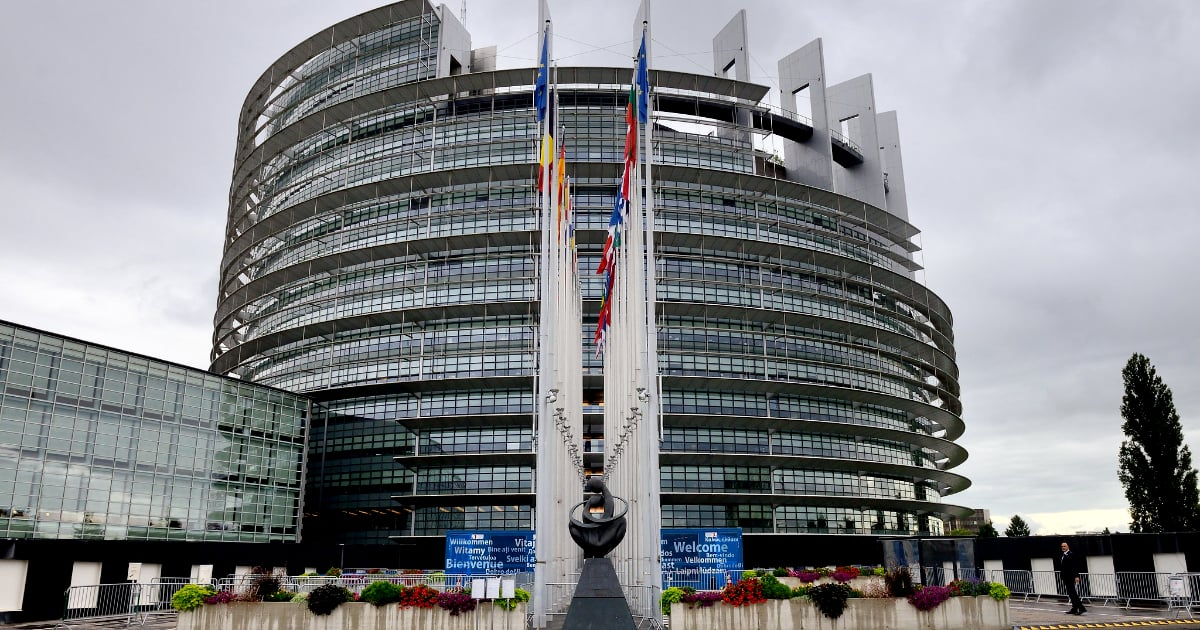
The European Parliament has endorsed an amendment to its annual foreign policy report suggesting the suspension and re-evaluation of the European Union's special cooperation with Cuba's communist regime under the Political Dialogue and Cooperation Agreement (PDCA).
Amendment 82, introduced by Mariusz Kamiński and Carlo Fidanza representing the European Conservatives and Reformists (ECR) Group, received backing from 331 members, with 241 opposing and 63 abstaining, according to official results from the plenary session in Strasbourg.
The ECR Group defended the proposal, asserting that dictatorships like Cuba's should not continue to enjoy a preferential relationship with the European Union.
The approved text highlights the Parliament's "deep concern" over the authoritarian regimes in Cuba, Venezuela, and Nicaragua, urging the European Commission to "utilize all available tools, excluding none," to ensure adherence to democratic norms and human rights.
The amendment warns that Cuba has extended political and financial support to Moscow and Minsk, with their collaboration involving the establishment of a "cyber operations center" on Russian soil.
Despite this alignment, the MEPs note that Cuba continues to benefit from a "privileged cooperation" with the European Union through the PDCA.
In a post on X, Mariusz Kamiński stated that Cuba's communist regime "not only brutally oppresses its people and fosters instability in Latin America but also remains a close ally of Moscow and Minsk."
The member of the European Parliament remarked that "hundreds of Cuban mercenaries support Russia in its aggression against Ukraine," adding that Lithuanian authorities recently accused four Cuban nationals of engaging in sabotage.
Kamiński asserted that the list of hostile actions by Havana's regime "is extensive" and criticized that "the EU continues to fund the regime with millions of euros."
His amendment aims to "block the PDCA cooperation agreement to prevent hostile regimes from maintaining a privileged relationship with Europe."
This vote underscores the growing consensus within the European Parliament in favor of reassessing the engagement policy with Cuba and conditioning any cooperation on tangible progress in human rights and political freedoms on the island.
Last Thursday, ECR members of the European Parliament, alongside the Cuban Resistance Assembly (ARC), condemned the presence of Havana's military forces in Ukraine during a hearing in Brussels, demanding an immediate cessation of EU funding to Cuba's dictatorship.
Similarly, in July, over 25 MEPs criticized the use of European funds for repressive structures of the Cuban regime and urged Brussels to impose sanctions, conduct audits, and activate clauses for human rights violations.
However, in May, Kaja Kallas, Vice President of the European Commission, defended the EU-Cuba agreement, highlighting that it facilitates dialogue on sensitive issues such as political prisoners.
Key Questions on EU-Cuba Relations
Why did the European Parliament approve the amendment to suspend cooperation with Cuba?
The amendment was approved due to concerns about Cuba's authoritarian regime and its alignment with Russia and Belarus, which contradicts democratic norms and human rights values upheld by the EU.
What actions has Cuba taken that concern the European Parliament?
Cuba has been accused of supporting Russia's military aggression in Ukraine and collaborating on cyber operations with Moscow, while maintaining a repressive regime domestically.
What does the amendment propose regarding the EU's relationship with Cuba?
The amendment suggests a suspension and thorough review of the EU's special cooperation with Cuba, contingent on improvements in human rights and political freedoms.