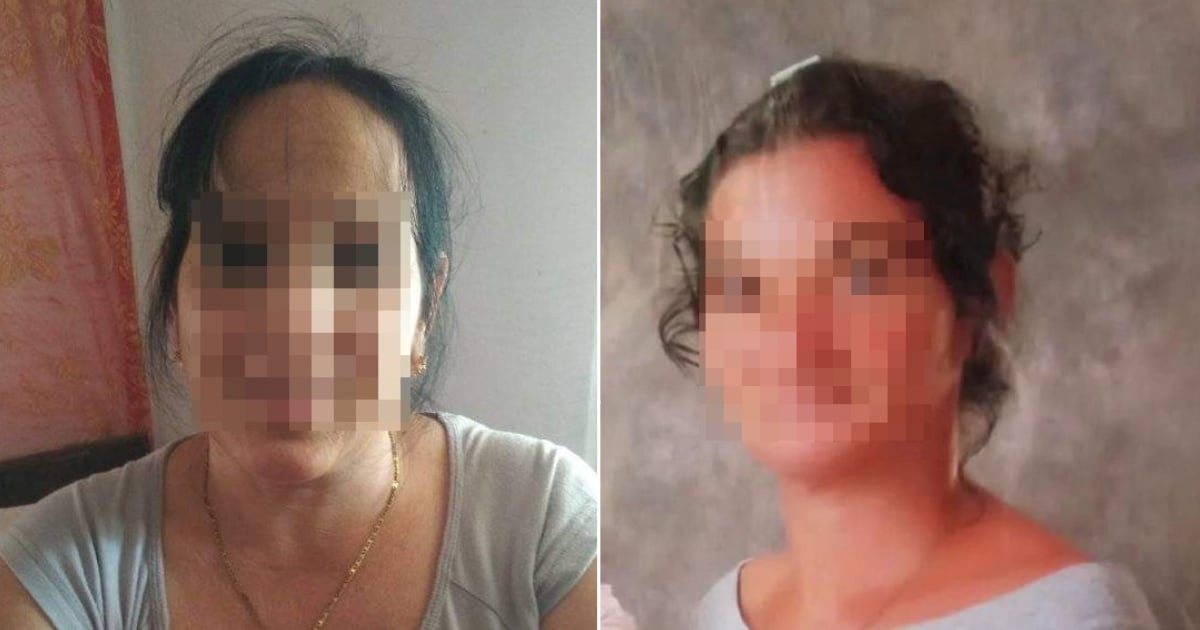
At the onset of 2026, Cuba is grappling with the devastating loss of two women to gender-based violence, allegedly killed by their partners or ex-partners in San Juan y Martínez, Pinar del Río. These tragic events have sent shockwaves through Cuban society.
The victims, identified by relatives as Yanicel Valdés and Mileidys Dueñas Pérez, were initially reported missing before their lifeless bodies were discovered. The independent newspaper CubaNet confirmed both incidents through local sources.
Yanicel, known locally as “La rusa,” was reportedly murdered by her partner, then dismembered and buried in a dump, according to preliminary information shared over the weekend by Nio’s crime reporting page.
The identification of Yanicel was made possible after her daughter, Mirielis Valdés Martínez, took to social media to report her disappearance, which helped link her to the found remains, as reported by CubaNet.
During the weekend, it was also revealed that Mileidys was killed days earlier by her ex-husband, Lorenzo Eduardo García Castro, on the outskirts of a community called Obeso, as confirmed by digital media reports. She too had been listed as missing.
The Facebook page “De Pinar Soy,” managed by the Ministry of the Interior, confirmed the murder on Monday, revealing that her body was discovered by police buried in her backyard, allegedly slain by her ex-husband “Lorenzo.”
The authorities stated that the perpetrator “is in custody and has confessed to his crime,” while investigations are ongoing as “more details remain unknown.”
The post criticized certain social media profiles for “exploiting these incidents with sensationalism, speculating and spreading false information to inflate the reality,” yet it did not address the information gap left by official state media, which often fail to report such crimes and other violent acts occurring daily in the country.
The page claimed that these cases “require time to process,” asserting that the police have acted “swiftly and effectively” in apprehending those responsible for these and other recent tragic events, although specifics were not provided.
In the first half of January, the Gender Observatory of the magazine Alas Tensas (OGAT) and the Yo Sí Te Creo en Cuba Feminicide Observatory (YSTCC) confirmed two feminicides in the country. They also documented an attempted feminicide and the gender-related murder of a man.
Throughout 2025, both platforms recorded 48 feminicides, amidst a backdrop of limited access to institutional sources, the state’s failure to publish official statistics, and the lack of a comprehensive gender violence law or specific classification of feminicide in the Penal Code.
Cuba also lacks shelters and immediate response protocols for women and girls at risk. Meanwhile, OGAT and YSTCC continue to operate active support lines and verification mechanisms for feminicides and attempts, based on reports from family members, citizens, activists, and community sources.
The organizations have repeatedly emphasized that these institutional deficiencies “leave thousands of women vulnerable to known aggressors—partners, ex-partners, neighbors, family members—and facilitate impunity, as authorities persist in withholding complete, disaggregated, and transparent statistics on feminicides.”
From 2019 until October 1, 2025, the observatories documented 300 feminicides in Cuba, a figure representing only a partial account of the pervasive gender violence on the island.
Understanding Gender Violence in Cuba
What is being done to address gender violence in Cuba?
Efforts by independent observatories such as OGAT and YSTCC aim to document cases of gender violence and provide support, but there is a significant lack of institutional response, including the absence of shelters and comprehensive legislation.
How many feminicides have been documented in Cuba?
From 2019 to October 2025, 300 feminicides have been documented, though this number likely underrepresents the actual scope of gender violence on the island.
Are there legal protections for victims of gender violence in Cuba?
Cuba lacks a comprehensive gender violence law and specific legal classification for feminicide, leaving victims without adequate protection under the current legal framework.