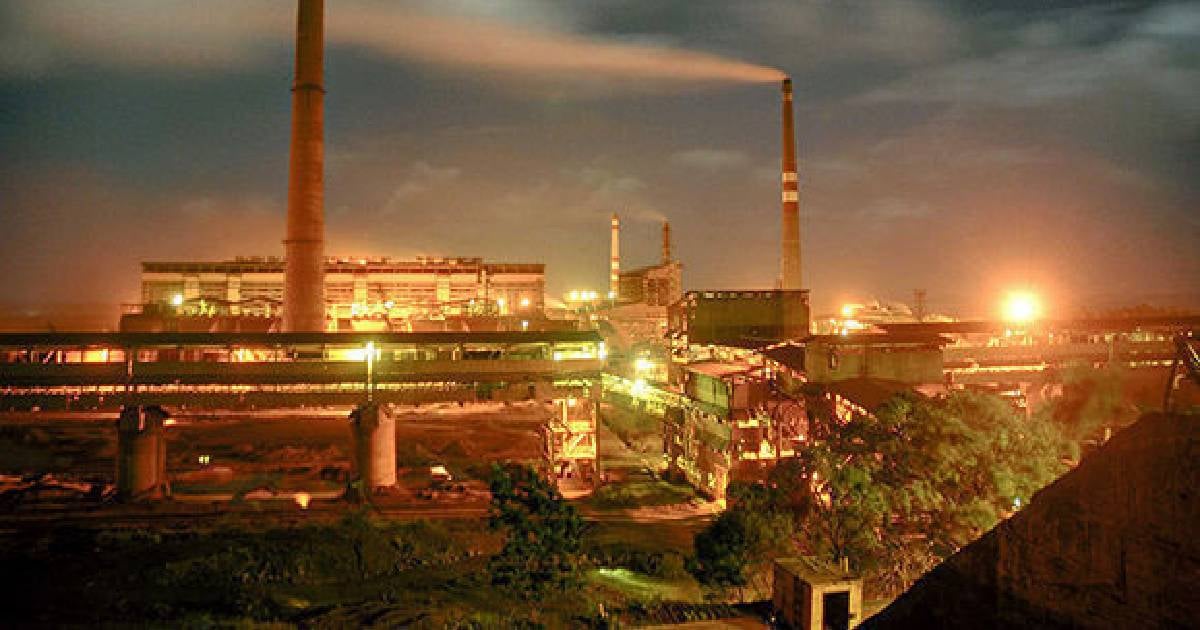
Canadian company Sherritt International, the leading foreign partner of the Cuban regime in nickel and cobalt extraction, has acknowledged facing "significant operational challenges" on the island. These difficulties are attributed to the ongoing economic crisis, currency shortages, and widespread energy deficits affecting the entire nation.
In its 2025 earnings report, Sherritt revealed that production at its joint venture plant, Moa Nickel S.A., located in the Holguín province, reached 25,240 tons of nickel and 2,729 tons of cobalt. These figures represent a notable decrease from 2024's output of 30,331 tons of nickel and 3,206 tons of cobalt, as reported by AFP.
The company attributed this decline to Cuba's energy crisis, delays in procuring essential supplies and parts, and the impact of Hurricane Melissa, which in October led to operational disruptions and damage to critical infrastructure.
Since 1991, Sherritt has partnered with the Cuban government on the Moa project. The company noted that persistent "unfavorable operating conditions" necessitate the implementation of a recovery plan to enhance the plant's performance and reliability.
"We are actively monitoring geopolitical and economic developments to anticipate and address potential risks in the region," stated interim CEO Peter Hancock, as quoted in the company's statement.
Cuba is grappling with a severe economic crisis characterized by currency shortages, a decline in exports, a collapse in tourism, and prolonged power outages affecting key sectors such as mining, agriculture, and manufacturing.
The geopolitical landscape has also heightened uncertainty. Following a military operation ordered by President Donald Trump that led to the capture of Nicolás Maduro in early January, the United States announced measures to control Venezuela's oil sector and warned Cuba about the cessation of crude oil supplies from Venezuela, a critical energy source for the island.
The Canadian mining firm acknowledges that this situation could directly impact its operations in Moa, which heavily rely on fuel supplies and state energy and transportation services.
Nickel and cobalt are among the primary sources of foreign currency for the Cuban regime, alongside tourism and remittances. Production issues at Moa represent another blow to the already ailing national economy.
"We remain committed to our operations in Cuba, but the current conditions pose an increasing challenge," concluded Sherritt, which has maintained joint investments with state-owned Cubaníquel for over three decades.
Impact of Economic Crisis on Sherritt's Operations in Cuba
What challenges is Sherritt facing in Cuba?
Sherritt is experiencing significant operational challenges due to Cuba's economic crisis, currency shortages, and energy deficits, which have affected production at its Moa Nickel S.A. plant.
How has the geopolitical situation affected Sherritt's operations?
The geopolitical situation, including U.S. measures to control Venezuela's oil sector, has increased uncertainty and could impact Sherritt's operations in Cuba, which depend on fuel and state energy services.
What is Sherritt's response to these challenges?
Sherritt is implementing a recovery plan to improve the performance and reliability of its operations and is actively monitoring geopolitical and economic developments to manage potential risks.