The arrest of Nicolás Maduro by U.S. forces at the start of January not only marked the end of Chavismo's regional power but also left Cuba's regime without its primary energy supplier.
With Venezuelan shipments, which propped up the island's economy for over two decades, now halted, Havana is forced to seek fuel from the farthest corners of the globe, even turning to Africa, as the nation plunges into an unprecedented electrical crisis.
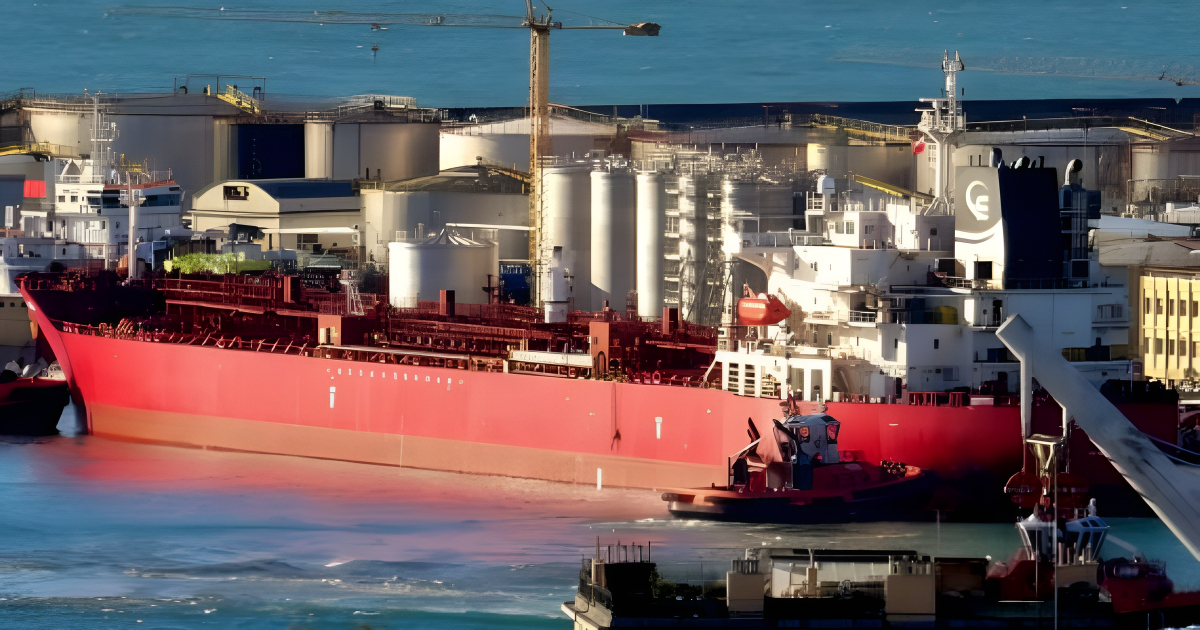
Maritime traffic data reveals that the tanker Mia Grace, bearing the Marshall Islands flag, departed from Lomé, Togo, on January 19 and is en route to Havana with an estimated load of 17,000 tons of fuel, according to transportation monitoring account FalconEyes.
Built in 2014 and capable of carrying 30,000 tons, the vessel is expected to arrive in Cuba's capital by February 4, as indicated by VesselFinder, a specialized portal.
Jorge Piñón, an expert at the University of Texas's Energy Institute, informed Diario de Cuba that the purchase was likely made by Cubametales, which is part of the military conglomerate GAESA, through a European intermediary.
"The quality of the product is unclear, but it is speculated to be diesel or fuel oil," Piñón noted. He clarified that while Togo does not produce oil, it serves as a logistical transit hub for international fuel trade.
The journey of the Mia Grace confirms what analysts have been warning: Without Venezuela and with Russia embroiled in the Ukraine conflict, Miguel Díaz-Canel's regime has lost its main sources of cheap energy.
Shipments from Mexico and smaller consignments from Russia fail to meet an internal demand of about 100,000 barrels per day, of which 40,000 are domestically produced. The remainder is simply lacking.
This shortage has directly led to the collapse of Cuba's electrical system. The Unión Eléctrica (UNE) acknowledged this week that over 100 distributed generation plants are offline due to a lack of diesel, and another 156 megawatts have been lost due to lubricant shortages.
In total, more than 1,100 megawatts—nearly a third of national demand—are currently out of the system. This is compounded by breakdowns at the Mariel, Felton, Renté, and Santa Cruz del Norte thermoelectric plants, as well as the partial shutdown of Turkish barges leased by Havana to compensate for the lack of generation.
Amid this crisis, the United States has adopted a strategy of controlled pressure. Although President Donald Trump reiterated that "there will be no more oil or money for Cuba," his administration has allowed Mexico to continue supplying crude and refined products to the island, as reported by CBS News.
U.S. officials have stated that the goal is not to induce a sudden collapse but to "pressure Havana to abandon its authoritarian communist model and come to the negotiating table."
Meanwhile, Claudia Sheinbaum's government defends these shipments as "humanitarian aid," a justification met with skepticism both within and outside Mexico. In 2025, her administration exported over 10 billion Mexican pesos in petroleum products to Cuba.
However, for Cuba, this aid is insufficient. Blackouts extend up to 20 hours daily in some provinces, hospitals operate on exhausted generators, and families resort to charcoal or wood for cooking.
In Havana and Sancti Spíritus neighborhoods, nightly protests have become common, suppressed by security forces under the pretext of a "state of war."
The arrival of the Mia Grace from Africa, if it materializes, will offer only a temporary reprieve. The regime is hunting for fuel wherever it can find it, lacking sufficient currency and with an ever-narrowing network of international allies.
Without Venezuela, Cuba is facing its toughest challenge since the fall of the Soviet bloc, this time with no room for maneuver and an exhausted populace.
The question looming, much like thirty years ago, remains: How much longer can Castro's regime endure amidst a worsening energy crisis?
Energy Crisis in Cuba: Key Questions Answered
What led to the current fuel crisis in Cuba?
The arrest of Nicolás Maduro ended Cuba's primary source of fuel from Venezuela, forcing the country to seek alternatives amid a growing energy crisis.
How is Cuba addressing the fuel shortage?
Cuba is importing fuel from distant locations like Africa, specifically using intermediaries to secure shipments despite its limited resources.
What impact does the energy crisis have on daily life in Cuba?
The crisis has led to extensive blackouts, affecting hospitals and daily life, with families resorting to alternative cooking methods like charcoal.