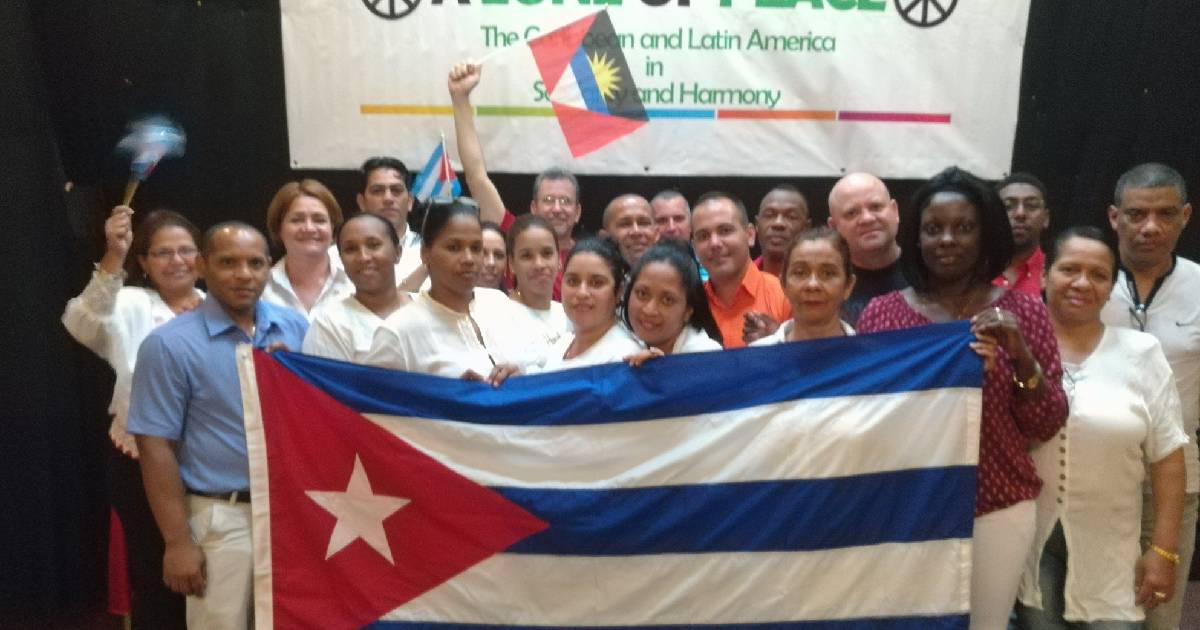
Antigua and Barbuda is set to welcome 120 nurses from Ghana next week, aiming to bolster its healthcare system after ending its long-standing medical collaboration with Cuba amid increasing pressure from the United States government.
The healthcare professionals are scheduled to arrive in Antigua and Barbuda on January 23 to strengthen the nation's health services, as confirmed by Maurice Merchant, the Director General of Communications at the Office of the Prime Minister.
A significant number of these professionals will be assigned to the Celeste Bird Medical Centre, the country's main hospital, while others will serve in clinics and educational centers, according to a report from EFE news agency.
Transition in Healthcare Partnerships
The recruitment comes in the wake of the termination of the agreement with Cuban medical brigades, which had been a cornerstone of the local healthcare infrastructure for years.
Although the government maintains that the program with Cuba “has not been formally terminated,” the departure of Cuban professionals represents a sudden shift in a policy that the administration staunchly defended throughout 2025 against U.S. accusations.
The United States has heightened its pressure on Caribbean nations that maintained medical cooperation with Havana, arguing that these programs are forms of “forced labor.”
U.S. Influence on Caribbean Health Policies
Initially, several members of the Caribbean Community (Caricom), including Antigua and Barbuda, supported the Cuban medical missions as critical to their healthcare systems. However, they eventually conformed to U.S. demands.
Merchant stated that the Ghanaian nurses are “highly qualified” and that their integration will have a positive effect, especially considering the ongoing emigration of local healthcare workers to North America and Europe in search of better wages.
Nonetheless, the official acknowledged that Cuban professionals have been a vital support for the sector over the decades.
Political and Diplomatic Repercussions
The decision follows the unexpected announcement in December by Prime Minister Gaston Browne's administration to end the medical agreement with Cuba, without providing an official explanation.
The opposition party, United Progressive Party, confirmed the news, criticizing the cancellation as a “political failure” and an “act of ingratitude.” They highlighted key programs such as the Eye-Care Programme and the training of Antiguan students in Cuba.
The withdrawal of Cuban brigades occurs within a broader context of diplomatic offensives by the Donald Trump administration. The State Department and Senator Marco Rubio have advocated for sanctions and visa restrictions against officials from countries contracting these services, demanding payments be made directly to the doctors rather than the Cuban state.
According to the NGO Prisoners Defenders, the Cuban government retains approximately 85% of the salaries of its overseas medical staff.
A U.S. State Department report estimated Cuba's earnings from the export of professional services at between $6 billion and $8 billion annually, accounting for over 40% of its total exports from 2018 to 2020, based on official Cuban data.
Replacing Cuban personnel with Ghanaian nurses aims to ensure the continuity of services at a particularly crucial time for Antigua and Barbuda, which plans to launch a National Health Insurance in 2026.
However, questions remain about the country's ability to consistently fill the gap left by a medical cooperation that had sustained its public health system for years.
Frequently Asked Questions about Antigua and Barbuda's Healthcare Transition
Why did Antigua and Barbuda end its medical collaboration with Cuba?
Antigua and Barbuda ended its medical collaboration with Cuba due to increasing pressure from the United States, which labeled such programs as forms of “forced labor.”
What is the role of the Ghanaian nurses in Antigua and Barbuda?
The Ghanaian nurses are expected to enhance the healthcare system in Antigua and Barbuda by serving in hospitals, clinics, and educational centers, ensuring continuity of services.
How has the U.S. influenced Caribbean health policies?
The U.S. has exerted pressure on Caribbean nations to end medical collaborations with Cuba, arguing these are forms of forced labor, and has imposed sanctions and visa restrictions on officials from countries that continue such agreements.