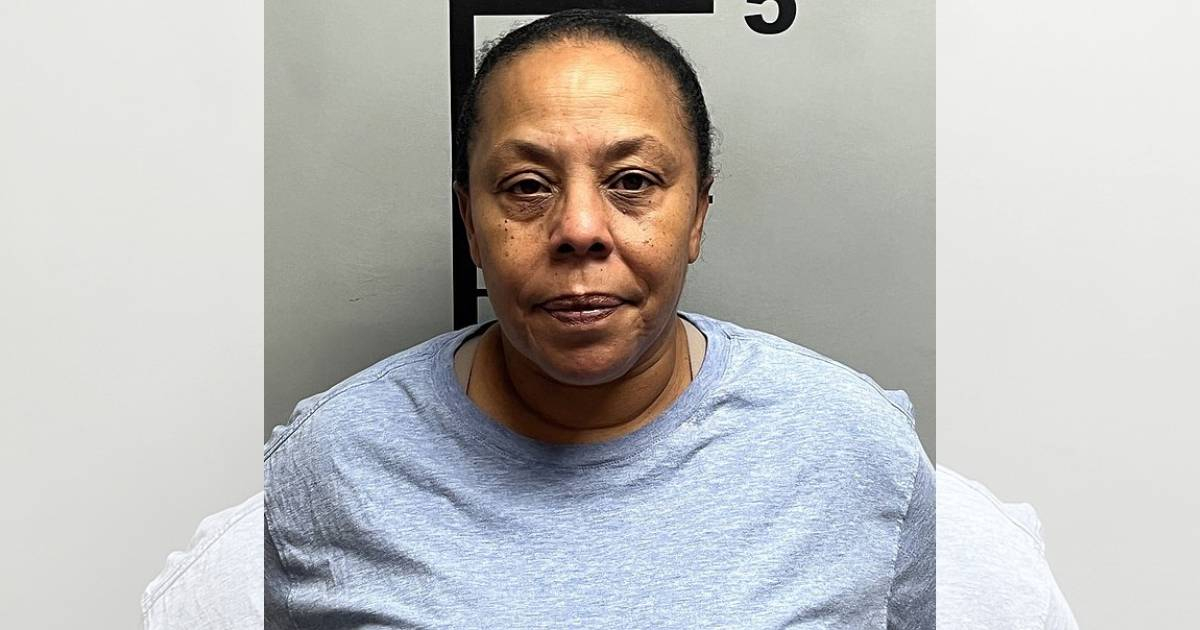
The story of Cecilia Castellanos, a Cuban national who has resided in the United States for decades without legal immigration status, culminated this week with a five-year prison sentence in Arkansas.
The 59-year-old woman was convicted for casting an unlawful vote in the November 2024 general elections. This case highlights the ongoing challenges faced by thousands of Cuban immigrants with unresolved immigration cases in the country.
According to reports from the Northwest Arkansas Democrat-Gazette and 5 News Online, Castellanos admitted to charges of perjury and violating voter eligibility laws. She conceded to registering to vote by falsely claiming U.S. citizenship and having no criminal record.
The investigation was launched after the Department of Government Efficiency (DOGE) uncovered discrepancies in the electoral rolls, prompting an alert to the Arkansas Attorney General's office.
Complexities of Immigration and Legal Consequences
This case not only reveals electoral fraud but also underscores a complex immigration reality. Castellanos has had a pending deportation order since 1999, issued by an immigration judge. However, she managed to remain in the U.S. due to her Cuban citizenship, a status that has historically complicated or delayed deportations to the island. Additionally, she has three prior convictions in New York for forgery and theft, committed between 1996 and 2006.
Records indicate that Castellanos voted only once, on November 5, 2024. Authorities do not know which candidate she supported, a detail that Arkansas Attorney General Tim Griffin deemed irrelevant. "The political party they voted for doesn't matter," Griffin stated, emphasizing the importance of safeguarding the electoral system's integrity.
Wider Investigation and Legal Ramifications
The sentence was handed down by Benton County Judge Brad Karren, who also prohibited Castellanos from registering or attempting to vote in future elections. Her case is part of a broader investigation that led to the arrest of two other non-citizen women from Kazakhstan and Nigeria in Arkansas, following an electoral data audit conducted in collaboration with the Department of Homeland Security.
The arrest of Castellanos took place in October 2025, when the Arkansas Attorney General's Office filed charges of perjury and illegal voting. At that time, the judicial outcome and the sentence she would face were unknown.
This conviction reflects a tightening of legal repercussions for immigrants who, despite years of residency in the United States, engage in electoral processes without meeting citizenship requirements.
Legal and Immigration Challenges for Cuban Migrants
What led to Cecilia Castellanos' arrest?
Cecilia Castellanos was arrested after an investigation revealed she had illegally registered to vote by falsely claiming U.S. citizenship, leading to charges of perjury and voting unlawfully.
Why couldn't Castellanos be deported despite the order?
Her Cuban citizenship complicated or delayed deportations, allowing her to stay in the U.S., despite a deportation order issued in 1999.
What does this case signify for other immigrants in the U.S.?
This case indicates stricter legal consequences for immigrants participating in electoral processes without citizenship, highlighting the broader challenges faced by immigrants with unresolved status.