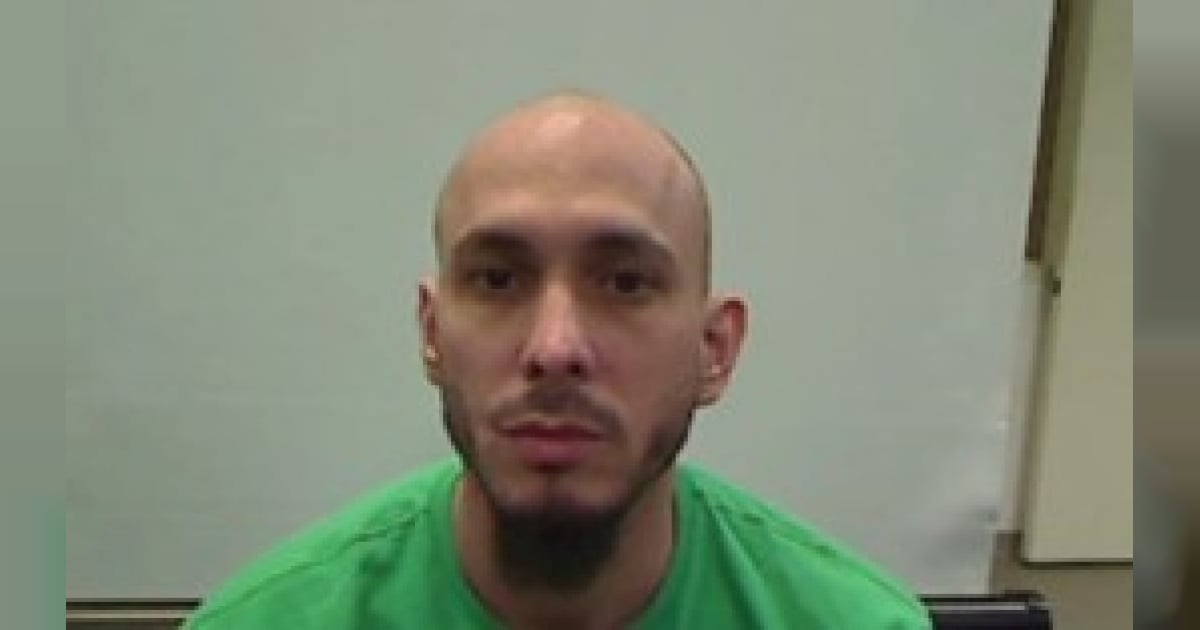
A Cuban national was among the undocumented immigrants with dangerous criminal records apprehended by U.S. Immigration and Customs Enforcement (ICE) during operations in Minneapolis, Minnesota.
The Department of Homeland Security (DHS) shared details of the incident via a post on the social media platform X.
According to the agency, "no American wants criminal illegal aliens as neighbors," highlighting the threat these individuals pose to public safety.
Among those labeled as "the worst of the worst" during the federal government's Operation Metro Surge in the Minneapolis-St. Paul area was a Cuban citizen named Yadrian Leyva Leyva. He was described as an "illegal foreign offender from Cuba" with convictions for theft, forgery, identity theft, possession of forgery tools, and transporting instruments intended for document imitation.
These offenses exemplify the "worst of the worst" campaign, which targets immigrants with criminal backgrounds deemed a public safety risk by authorities.
The initiative focuses on identifying, arresting, and removing individuals with criminal histories, prioritizing the most severe cases.
Over a Thousand Cubans in "Worst of the Worst" Campaign
As of December 24, official records revealed that more than 1,150 Cuban nationals were detained by ICE under this "Worst of the Worst" campaign.
A public DHS registry filtered by Cuban nationality showed 97 pages of cases, with 12 detentions per page, except the last, which included a single arrest, totaling 1,152 individuals.
Florida accounted for the majority of these arrests, with 708 cases, followed by Texas with 176. Both states have significant Cuban communities and robust immigration enforcement activities.
The remaining arrests were distributed among Georgia, North Carolina, New Jersey, and Nevada.
Public records indicate that most detainees were working-age men. Their offenses ranged from domestic violence, sexual assault, drug trafficking, and armed robbery, to fraud, forgery, and illegal reentry after a previous deportation.
Under the leadership of Secretary Kristi Noem, the DHS presented these arrests as part of the immigration policies promoted by former President Donald Trump, prioritizing the deportation of immigrants with criminal records.
In a statement, the agency claimed that ICE's efforts fulfill the presidential promise to remove the most dangerous foreign criminals from the country.
The official release included names, photographs, and partial data of those arrested, citing public transparency as the reason.
However, human rights organizations have criticized the exposure of personal information and the campaign's tone, especially given its release during the holiday season.
In Florida, over 60% of detained Cubans were concentrated in Miami-Dade, Broward, and Collier counties, where ICE operates joint units with state police. These areas are frequent targets for immigration operations.
Immigrant advocates noted that many detained Cubans face minor or non-violent charges and that some may have pending asylum applications or ongoing appeals.
An immigration attorney in Miami argued that the "worst of the worst" label is unfair and dehumanizing, as it includes individuals with old convictions or merely immigration violations.
Although the U.S. government has reiterated that deportations to Cuba remain suspended, it continues to hold Cuban nationals with final removal orders, awaiting bilateral agreements with Havana to facilitate their return to the island.
FAQs on ICE Operations and Cuban Nationals
What is Operation Metro Surge?
Operation Metro Surge is a federal government initiative targeting undocumented immigrants with criminal records in the Minneapolis-St. Paul area, prioritizing those deemed a threat to public safety.
Why are Cuban nationals included in the "Worst of the Worst" campaign?
Cuban nationals are included based on their criminal records, as the campaign aims to identify and deport immigrants with offenses considered dangerous by authorities.
Are deportations to Cuba currently taking place?
Deportations to Cuba remain suspended, but Cuban nationals with final removal orders are held in custody pending potential agreements with the Cuban government.