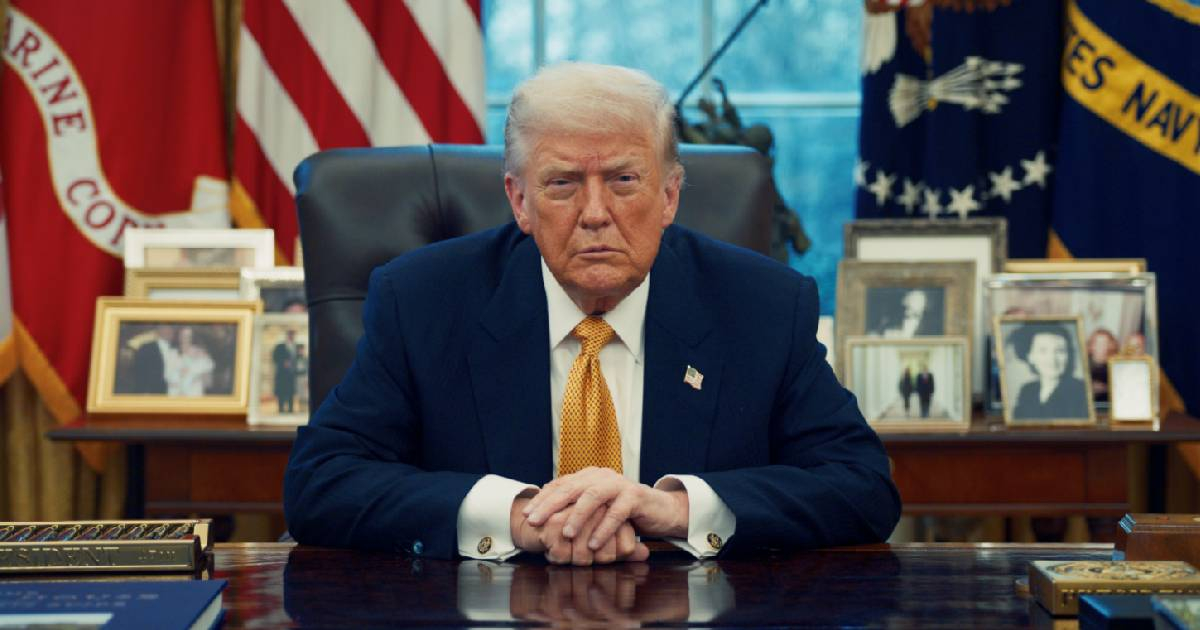
President Donald Trump revealed his latest national healthcare initiative on Thursday, titled "The Great Healthcare Plan." This ambitious strategy seeks to significantly reduce medical expenses, lower drug prices, and return financial control directly to American citizens, effectively sidelining major insurers and pharmaceutical companies.
"The government will send the money straight to you. You receive it and then purchase your own insurance. Big insurers lose, and the American people win," Trump proclaimed in a recorded message from the White House.
The plan, slated for Congressional debate, suggests a structural overhaul of the U.S. healthcare system, the last major transformation of which was in 2010 with the passage of the ACA, widely known as Obamacare.
Trump aims to dismantle this program, which represents the most significant healthcare reform in the U.S. in decades. Obamacare currently enables over 23 million people, including non-resident immigrants, to access healthcare services with capped annual prices while mandating insurers to cover those with pre-existing conditions.
Key Features of the Plan
Highlights of the new proposal include: reducing medication prices by 80% to 90%, ending subsidies to insurers, direct funding returns to citizens, and mandating full price transparency from hospitals and insurance companies.
While presenting his plan, Trump criticized former President Barack Obama's policy: "Obamacare was designed to inflate insurers' profits. I call it the Unaffordable Care Act," he quipped, asserting that his reform would eliminate "corrupt payments, middlemen, and hidden fees."
The president emphasized that his plan would solidify the massive discounts his administration has already negotiated through the most-favored-nation pharmaceutical pricing agreement.
"In some cases, prices will drop by as much as 500% this month alone. We previously paid the highest drug prices globally; now we'll pay the lowest," he vowed.
Trump also announced that his administration would require insurers and hospitals accepting Medicare or Medicaid to publish their actual and comparative rates clearly, ensuring patients are never surprised by medical bills again.
Concerns and Questions Surround the Announcement
However, the announcement has sparked questions among experts and Democratic lawmakers. According to AP News, the plan lacks specifics on whether it will cover non-citizen residents or maintain coverage for those with pre-existing conditions, protections established under Obamacare.
Analysts caution that the initiative might not prevent millions of families from incurring debt due to high hospital costs, even those with insurance.
"Without clear annual caps, families remain vulnerable to unpayable bills," an expert cited by the agency noted.
Nonetheless, the plan bolsters Trump's strategy to demonstrate tangible results before the midterm elections and to solidify his image as a populist leader confronting corporate elites.
"We're returning money to the American people, not to special interests," Trump emphasized, following the public's perception of the opposite message when Republicans refused to extend Obamacare subsidies, leading to a prolonged government shutdown.
The Great Healthcare Plan is positioned as one of the most ambitious reforms of the new administration, intending to permanently replace Obamacare. However, it still leaves unanswered critical questions that could impact millions currently benefiting from affordable healthcare access.
Addressing Key Questions About Trump's Healthcare Plan
Will the Great Healthcare Plan cover non-citizen residents?
The plan does not specify whether non-citizen residents will be covered, leaving this as an area of concern for many.
How does the plan address pre-existing conditions?
While the plan promises reform, it does not clarify if coverage for pre-existing conditions will be maintained, a key aspect of Obamacare.
What impact will the plan have on healthcare costs?
The plan aims to lower medication costs significantly and increase transparency, but concerns remain about potential high costs without clear annual caps.