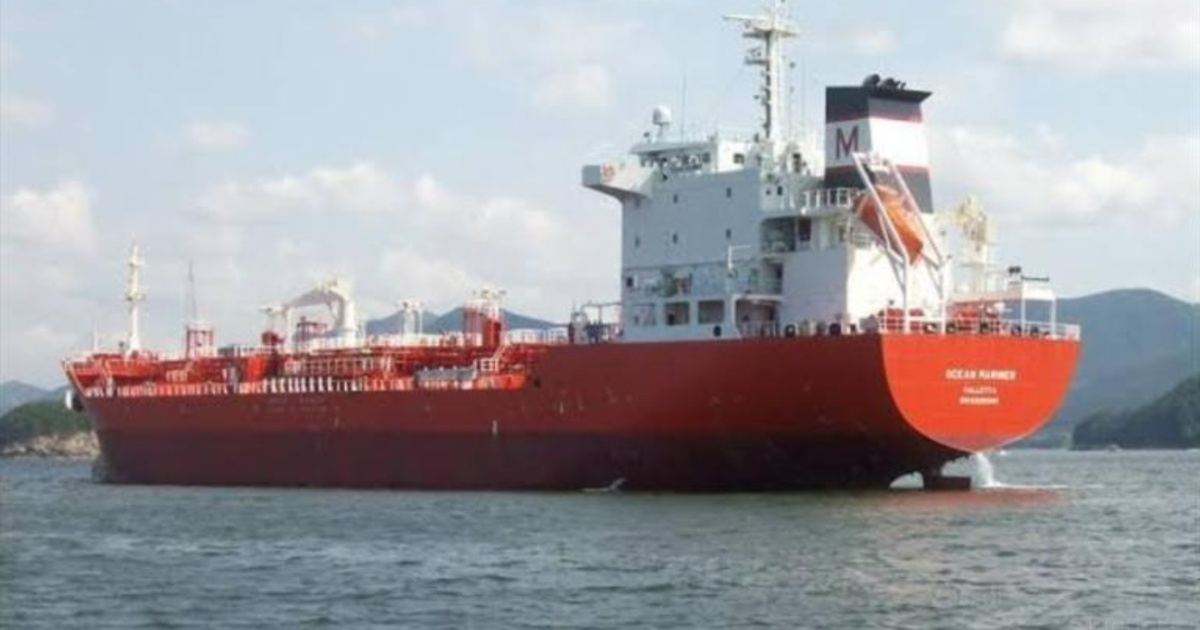
The Ocean Mariner oil tanker arrived in Havana Bay on Friday, carrying approximately 86,000 barrels of fuel from Mexico. This shipment aims to mitigate the extended power outages plaguing the island.
According to sources from the Energy Institute at the University of Texas, the Liberian-flagged vessel reached the Cuban capital after departing the previous month from Pemex's Pajaritos complex in southern Mexico.
The unloading of the barrels began on Saturday morning at the Ñico López refinery, situated in the Regla municipality of Havana.
The Ocean Mariner, alongside the Eugenia Gas, represents one of the recent shipments from Mexico as part of ongoing fuel deliveries to Cuba over the past few years, as reported.
This arrival occurs during a critical period: extensive regions in the country are experiencing power cuts lasting 20 hours or more per day. The situation is compounded by uncertainty over whether Venezuela will remain Cuba's primary oil supplier following the U.S. capture of Nicolás Maduro.
Cuba has been grappling with a severe energy crisis since mid-2024, driven by frequent breakdowns at outdated power plants and a shortage of foreign currency to purchase necessary fuel.
In the past year, Cuba's national electrical grid has suffered five total collapses and several partial failures.
In terms of volume, EFE reports that the 80,000 barrels sent by Pemex equate to slightly more than one day's crude deficit.
Cuba requires about 110,000 barrels daily to meet its basic energy needs, with around 40,000 sourced from domestic production.
According to official data (ONEI), 60% of the fuel consumed on the island is imported, with 65% of the total needed to power thermoelectric plants.
Independent studies suggest that nearly half of Cuba's fuel needs were previously met through imports from Venezuela, Mexico, and to a lesser extent, Russia.
The analysis indicates that Venezuela supplied roughly 50,000 barrels per day in recent years, but since 2024, this average has dropped to between 10,000 and 30,000—a figure neither Caracas nor Havana publicly disclose.
U.S. interceptions of sanctioned vessels and President Donald Trump's announcement that Washington will exert "full control" over Venezuelan oil sales could place Cuba in a precarious position.
Trump claimed that the Cuban government is "on the verge of collapse" without "Venezuelan oil," while the Cuban administration responded that its people are "prepared" to sacrifice their lives.
Implications of Fuel Shortages in Cuba
How is Cuba addressing its energy crisis?
Cuba is attempting to address its energy crisis through fuel imports, such as the recent shipment from Mexico, and by seeking alternative suppliers to replace dwindling Venezuelan support.
What are the main causes of Cuba's energy issues?
Cuba's energy problems stem from aging power plants, frequent breakdowns, and a lack of foreign currency to purchase essential fuel, exacerbated by reduced imports from Venezuela.
What role does Venezuela play in Cuba's energy supply?
Venezuela has historically been a significant oil supplier to Cuba, providing around 50,000 barrels daily in past years, though this amount has drastically decreased since 2024.