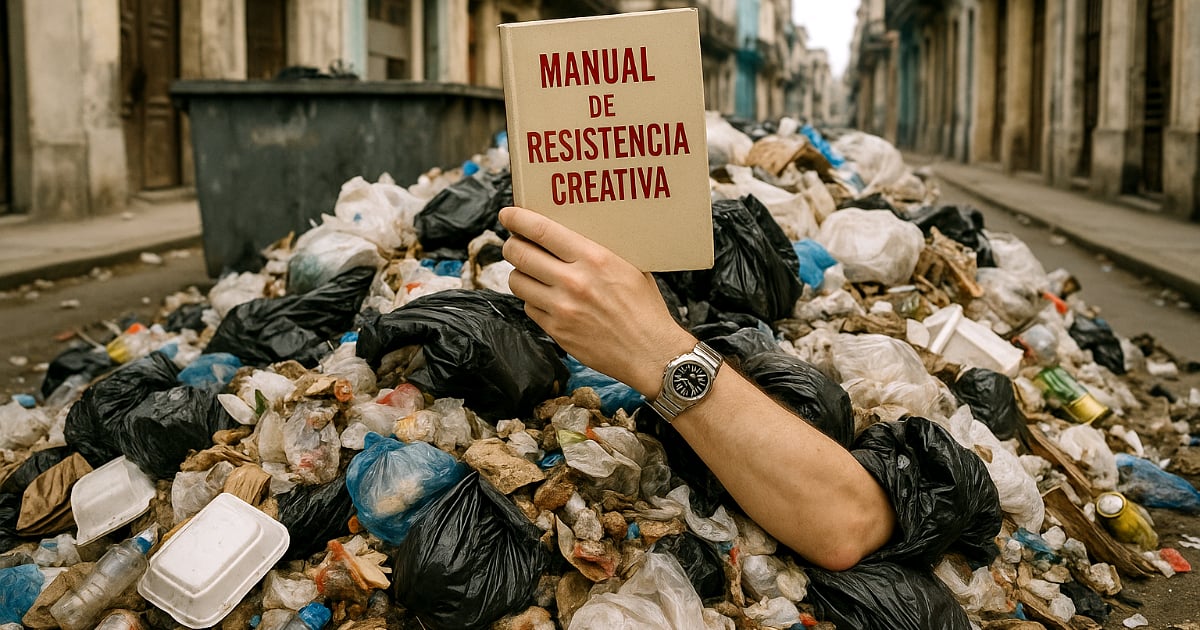
Various international news outlets, including Reuters, report that Cuba is bracing for a worsening economic and energy crisis. This comes in the wake of recent U.S. actions targeting oil tankers associated with Venezuela, amidst a broader diplomatic and military push in the region.
According to Reuters, the Cuban population is facing the possibility of increased power outages and fuel shortages after Washington seized two oil tankers transporting crude linked to Venezuela. One of these ships, flying a Russian flag, was intercepted in the Atlantic following a two-week pursuit.
These actions are part of a comprehensive blockade on sanctioned vessels entering and exiting Venezuelan waters, which has been in place since last December. Cuba heavily relies on Venezuelan oil, which previously accounted for roughly half of its energy deficit.
The disruption of these supplies has raised fears of more severe and frequent blackouts, particularly in areas like the port of Matanzas, where shortages are already apparent. The broader context of these tensions includes the shocking news received by the population that 32 Cuban soldiers died defending Nicolás Maduro last Saturday.
Meanwhile, Cuban President Miguel Díaz-Canel has condemned U.S. actions, labeling them as "state terrorism" and violations of international law, specifically referring to the seizure of the ship Marinera and other efforts aimed at disrupting the flow of oil to Cuba.
The island asserts that the reduction in Venezuelan oil, alongside its own structural challenges, exacerbates a crisis marked by inflation, commodity shortages, and prolonged power cuts. In light of an uncertain energy landscape, other international reports highlight the evolving complex logistics of sanctioned oil, including the reflagging of ships and the use of opaque fleets to skirt controls, adding pressure to the supplies reaching countries like Cuba.
Pressures have also increased on Mexico, now a primary crude oil supplier to the Caribbean nation. Recently, the EFE Agency cited Senate Minority Leader Chuck Schumer, who expressed concerns over the Trump Administration's responses to potential military operations in countries like Cuba and Colombia.
Schumer stated that he and other lawmakers held a meeting at the Capitol with Secretary of State Marco Rubio and Secretary of War Pete Hegseth, saying, "I was very disappointed by their response," he told a journalist. On Saturday, Trump remarked that Miguel Díaz-Canel's government in Cuba "is on the brink of collapse" and that he does not believe any U.S. intervention in the island is necessary.
Impact of U.S. Sanctions on Cuba and Venezuela
How are U.S. actions affecting Cuba's energy supply?
The U.S. has seized oil tankers linked to Venezuela, disrupting the flow of crude oil that Cuba heavily relies on, leading to potential increases in power outages and fuel shortages.
What is the response of the Cuban government to U.S. actions?
Cuban President Miguel Díaz-Canel has criticized the U.S. for what he calls "state terrorism" and violations of international law, particularly in response to the seizure of oil shipments bound for Cuba.