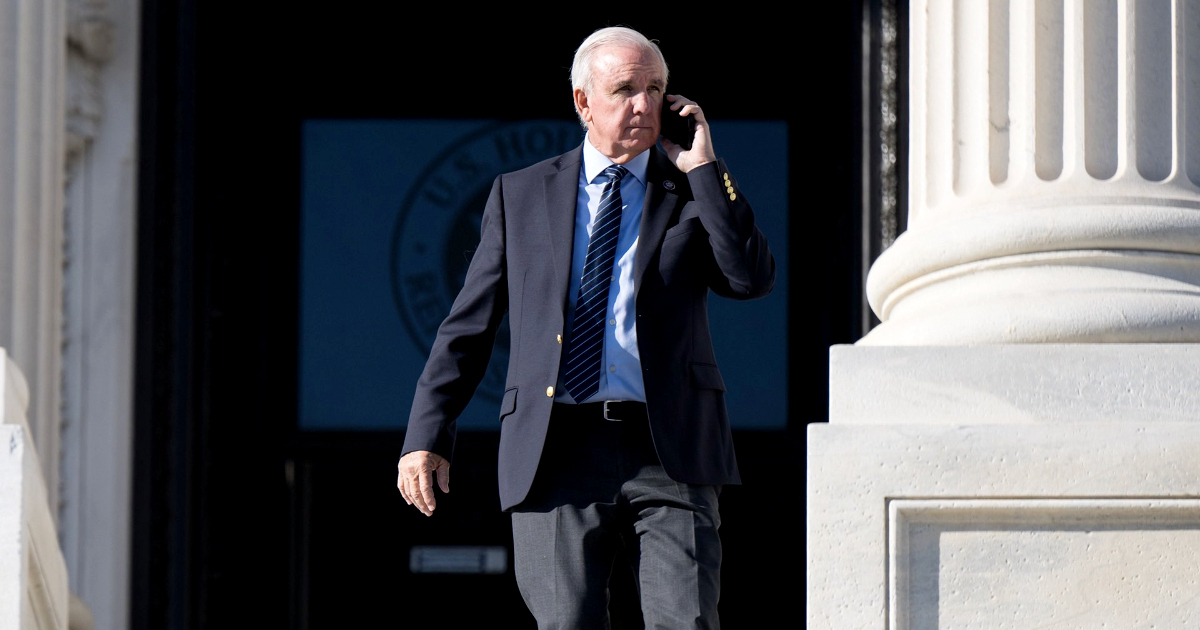
On Wednesday, Cuban-American Congressman Carlos A. Giménez took to social media platform X to highlight a significant increase in the number of "Chavista agents" who are defecting and choosing to cooperate with the United States.
In his post, Giménez pointed to a climate of internal division within the Chavista leadership.
"What I can confirm is that within the Chavista ranks, betrayals are rampant," Giménez wrote.
The congressman linked his observations on Venezuela to energy and regional dynamics, noting that Mexico has overtaken Venezuela as the leading oil exporter to Cuba.
In this context, Giménez issued a stark warning regarding the USMCA: "Make no mistake: if Sheinbaum’s government continues to supply oil to Havana's terrorist regime, there will be serious repercussions during the renegotiation of the United States-Mexico-Canada Agreement (USMCA)," he asserted.
Giménez's comments follow statements by Venezuelan Interior Minister Diosdado Cabello, who on Tuesday in Caracas declared that the Bolivarian project will endure and assured that Nicolás Maduro will return to power.
In a message shared on social media and recorded by attendees, Cabello expressed, "It's truly sad for those who laugh at their own misfortune, thinking 'they didn't take Nicolás, he was kidnapped, the Bolivarian revolution is going to fall,' they don't know this people, they don't know it. We lost Commander Hugo Chávez, we can't physically bring him back because they murdered him, but we will bring Nicolás back."
During his address on Bolívar Avenue, Cabello reiterated that "the dictatorship will not fall," urging both civilians and the military not to play into "the enemy's game," referencing the capture of the former president.
He maintained that the "revolutionary unity" remains strong, dismissing contrary claims as part of an "international destabilization strategy."
Meanwhile, the White House warned Diosdado Cabello that he could "share Maduro's fate" if he fails to support interim President Delcy Rodríguez's governance.
According to sources, Washington views Cabello—who wields control over segments of the security forces and armed civilian groups—as a pivotal figure in maintaining stability during the transition period.
The report notes that Cabello, accused by the United States of drug trafficking, is seen as one of the few Chavista leaders capable of disrupting internal order while also being a necessary interlocutor to ensure the country avoids descending into chaos.
The Trump administration has made it clear that it expects cooperation from Chavista leaders still in the country.
Key Questions on Venezuela's Political Crisis
What are the main reasons for the defections among Chavista agents?
The defections among Chavista agents are primarily due to internal divisions and a loss of faith in the current leadership, leading some to seek cooperation with external forces like the United States.
How does Mexico's oil export to Cuba impact the region?
Mexico's role as the leading oil exporter to Cuba influences regional energy dynamics and has geopolitical implications, potentially affecting trade agreements such as the USMCA.
What role does Diosdado Cabello play in Venezuela's political landscape?
Diosdado Cabello is a key figure in maintaining Venezuela's internal order, controlling security forces and armed groups, and is considered vital for ensuring stability during transitional periods.