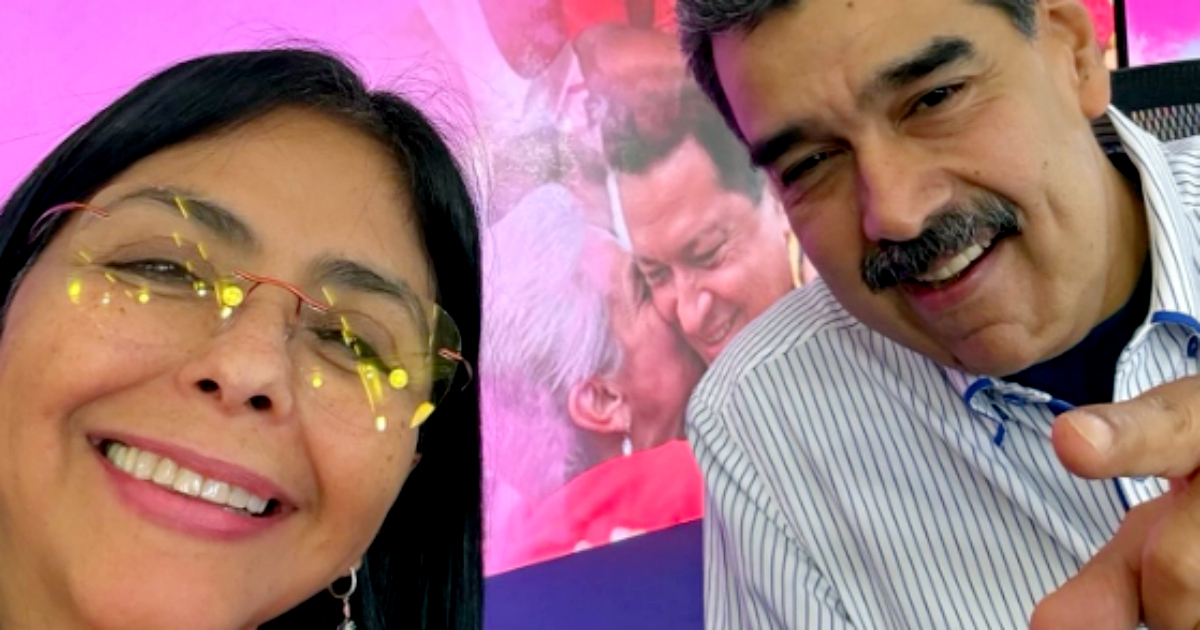
The legal net around the Chavista regime is tightening. A group of American citizens has filed a civil lawsuit against Nicolás Maduro, Delcy Rodríguez, Diosdado Cabello, Jorge Rodríguez, and other regime figures, accusing them of kidnappings, torture, drug trafficking, and state-sponsored terrorism.
Filed on January 4, 2026, under case number 25-cv-23652-DPG in the Southern District of Florida's Miami Division, this lawsuit introduces a new international legal pressure point following the U.S. capture of Maduro. This legal action is spearheaded by Mayer Brown LLP and Scale Law Partners LLC, firms specializing in international human rights litigation.
The lawsuit draws upon two of the most stringent tools in U.S. federal law: the Anti-Terrorism Act (ATA) and the Racketeer Influenced and Corrupt Organizations Act (RICO), crafted to combat organized criminal enterprises. Within this legal framework, the "Cartel of the Suns" is identified as a co-defendant, placed on the same tier as Petróleos de Venezuela (PDVSA) and the Venezuelan Petroleum Corporation (CVP), both implicated as financial conduits for transnational crime.
Among the plaintiffs are Jerrel Kenemore and his family, Jason Saad, Edgar José Marval, and additional U.S. citizens, including two minors identified as SMS and MSM. They claim to have endured kidnappings, torture, or persecution at the hands of regime-associated officials, seeking substantial financial compensation for damages.
The lawsuit text, partially disclosed on social media by journalist David Alandete, accuses Delcy Rodríguez of acting as Venezuela's de facto vice president since 2018 and serving as Minister of Economy and Finance from 2020 to 2024, during which she allegedly facilitated the authoritarian consolidation of Maduro's power.
Her brother, Jorge Rodríguez, the current president of the National Assembly, is also named. Both siblings were sanctioned by the Office of Foreign Assets Control (OFAC) in 2018 for their involvement in political repression.
While this lawsuit is not criminal, it could have severe financial and diplomatic repercussions. Should the court declare default against the defendants, as requested by the plaintiffs on January 4, the judge may accept the allegations as true and issue an enforceable civil judgment, potentially leading to asset seizures and the freezing of foreign-held funds, such as those recently blocked by Switzerland.
This legal proceeding could become the first federal judicial examination of the Chavista regime's internal workings as a criminal network. Legal analysts suggest that this action is "not merely about financial compensation but aims to judicially document that Venezuelan power operated as a mafia enterprise under a state guise." Amid Venezuela's ongoing transition, this legal maneuver seeks to extend the battle against Maduro and his inner circle beyond political and military arenas.
Frequently Asked Questions about the RICO Lawsuit against Chavista Leaders
What is the significance of using the RICO Act in this lawsuit?
The RICO Act allows for the prosecution and civil penalties for individuals involved in organized crime. By using this law, the lawsuit aims to classify the actions of the Chavista regime as part of a larger criminal enterprise.
Who are the main defendants in the lawsuit?
The primary defendants include Nicolás Maduro, Delcy Rodríguez, Diosdado Cabello, and Jorge Rodríguez, among other key figures in the Chavista regime.
What potential outcomes could result from this civil lawsuit?
Possible outcomes include financial penalties, asset seizures, and the freezing of international funds, should the court rule in favor of the plaintiffs.
How might this lawsuit impact the Chavista regime?
If successful, this legal action could significantly affect the financial and diplomatic standing of the regime, adding to the international pressure for accountability.