The Cuban security apparatus that encircled Nicolás Maduro, serving as his most reliable shield for years, failed to prevent his capture during a U.S. military operation that resulted in his removal from Venezuela.
This operation, carried out by the elite Delta Force with CIA support, highlighted the weaknesses in the Cuban-Venezuelan protection system, a cornerstone of Chavista power since Hugo Chávez's demise.
Over the past decade, Havana has controlled the intelligence, counterintelligence, and presidential security in Caracas. According to international media reports, Maduro bolstered his security detail with dozens of Cuban bodyguards, selected by Cuba's Ministry of the Interior (MININT) and the Department of State Security (DSE). These agents were responsible not only for his physical protection but also for internal espionage on Venezuelan officials.
Based on intelligence sources cited by Axios and The New York Times, the Venezuelan leader feared assassination by his Cuban advisors if he left power, given the sensitive information he held about financial agreements, drug trafficking networks, and joint intelligence operations between Caracas and Havana.
“Cuba was his guardian but also his jailer,” warned CiberCuba weeks before his fall.
Maduro frequently changed residences, phones, and security teams. He even ordered the incorporation of more Cuban G2 officers into the Venezuelan army to detect potential internal betrayals. However, his complete reliance on Havana became his Achilles' heel.
This Saturday, a report from The New York Times, authored by Julian E. Barnes, disclosed that the CIA had an insider within Maduro’s government who provided exact details of his whereabouts.
The U.S. intelligence agency reportedly used a network of Venezuelan informants—possibly one inside the Cuban ring—and a fleet of stealth drones to track his movements before the operation.
This leak indicates that his Cuban security perimeter was breached from within, a scenario analysts view as a sign of the strain and tensions between the two regimes.
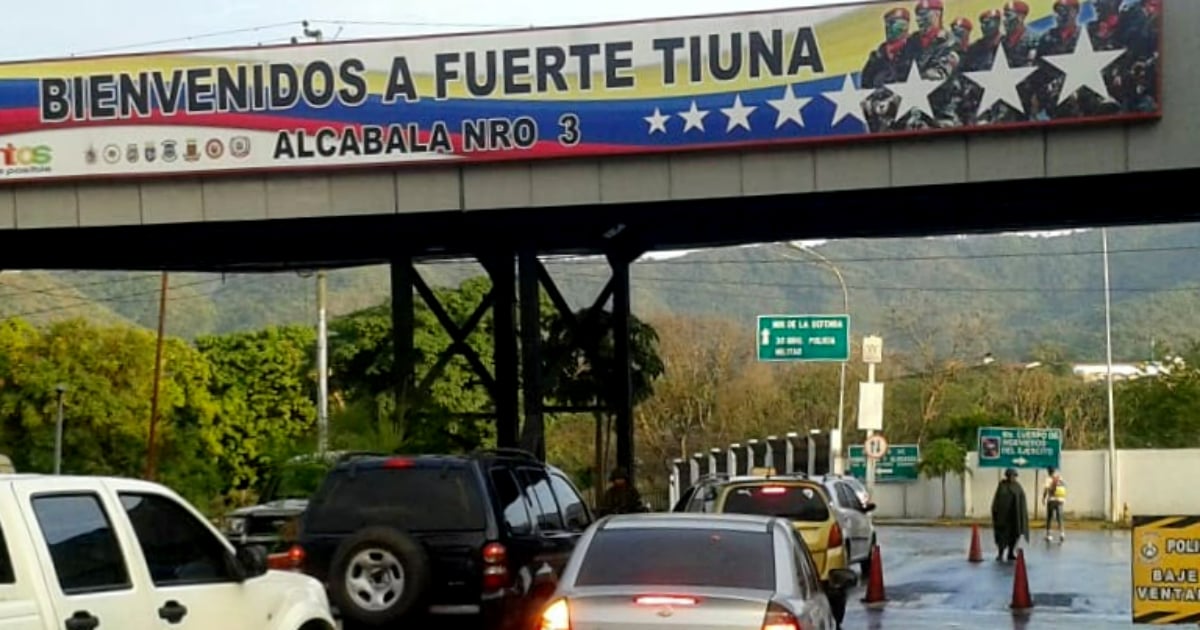
The fate of the Cuban agents stationed at the Miraflores Palace and other Venezuelan government offices remains unknown. Military sources in Caracas claim that several members of the presidential team were neutralized or fled during bombings at Fuerte Tiuna and La Carlota, while others were possibly captured by U.S. forces.
Neither Cuban nor Venezuelan authorities have confirmed the status of the bodyguards.
The collapse of the Cuban security setup in Caracas also delivers a direct blow to Havana, which loses not only its primary political ally but also its main source of oil and financial support in the region.
Maduro's downfall completely reshapes the Caribbean's geopolitical landscape, leaving the Cuban regime without its most significant economic backer since 2000.
According to experts, Maduro's capture signifies the end of a cooperation model grounded in political control and shared intelligence. Analysts agree that the Cuban network meant to protect him might have ultimately been the gateway to his capture. They assert that the regime crumbled under the weight of its own fear and the internal betrayal it so deeply dreaded.
Implications of Maduro's Capture
How did the U.S. manage to capture Nicolás Maduro?
The U.S. captured Nicolás Maduro through a military operation involving the Delta Force and CIA, utilizing informants and drones to track his location.
What role did Cuban security play in Maduro's regime?
Cuban security was integral to Maduro's regime, providing intelligence and protection while also conducting internal espionage on Venezuelan officials.
What does Maduro's capture mean for Cuba?
Maduro's capture is a significant setback for Cuba, as it loses a crucial ally and a major source of economic support, impacting its geopolitical influence in the Caribbean.