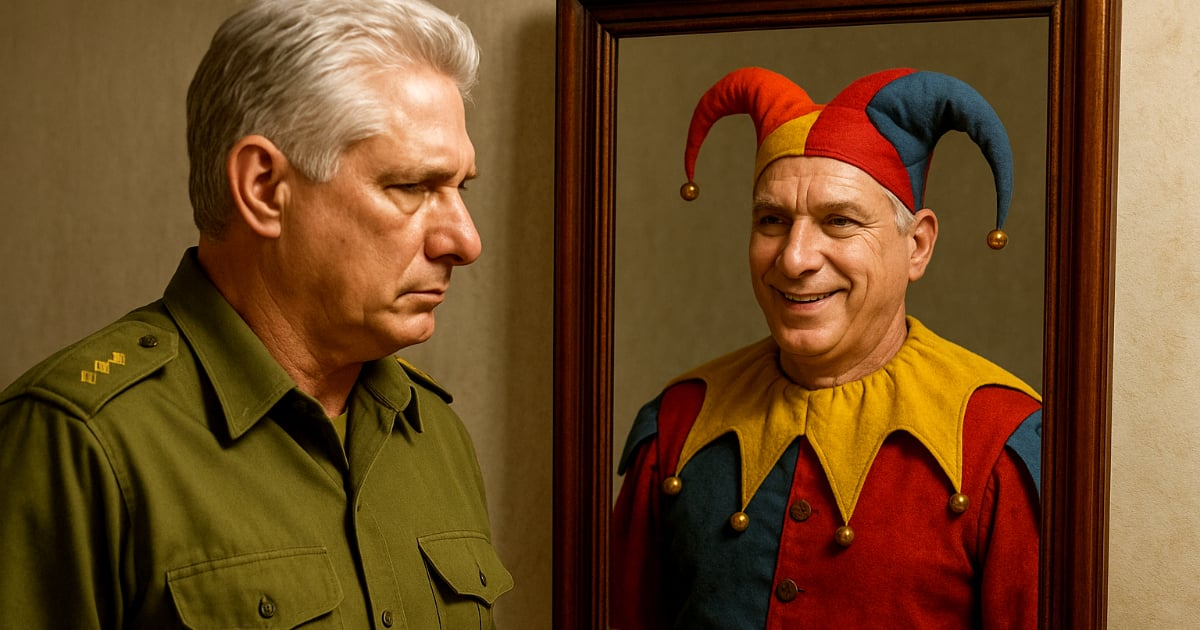
Amid an unprecedented crisis characterized by blackouts, shortages, and widespread poverty, Cuban leader Miguel Díaz-Canel has declared that the start of the new year in Cuba represents a victory. This statement starkly contrasts with the harsh reality faced by the population as 2026 begins.
While the country teeters on the brink of collapse, the regime persists with a triumphalist narrative that is openly at odds with the daily experiences of millions of Cubans.
In a series of posts on the social media platform X, Díaz-Canel asserted that the new year in Cuba is synonymous with victory and urged the renewal of tradition in 2026. This year has been designated by the government as the Year of the Centenary of Fidel Castro.
"The new year in #Cuba means victory. Let's renew tradition in 2026, the Year of the Centenary of #Fidel. A noble people that resist and create deserve it. We will overcome!" the leader wrote.
In other messages, he called for celebrating "the lives saved and the impossible challenges overcome in 2025," claiming that the country will "grow" if it works together. However, he did not address the structural causes of the crisis or take responsibility for the national decline.
"May 2026, the Year of the Centenary of Commander in Chief Fidel Castro Ruz, find us fighting and more united than ever! Long live the Cuban Revolution!" he added.
Nevertheless, for large segments of the population, the reality of Cuba is far removed from the official narrative. Many describe the country's situation as chaotic from every perspective, while the regime clings to slogans, historical symbols, and calls for resistance without offering concrete solutions to basic issues like food, electricity, transportation, or healthcare.
Critics of the government point out that such messages deliberately ignore the daily suffering of Cubans and reinforce the perception of a political power disconnected from reality, more interested in preserving its ideological narrative than in addressing the national emergency.
Sixty-seven years after the start of the Revolution, Cuba enters 2026 not with signs of "victory," but with a deep, unprecedented crisis, while the official discourse continues to rely on past slogans to justify a present marked by deterioration and despair.
Understanding Cuba's Current Crisis
What are the main issues facing Cuba as it enters 2026?
Cuba is grappling with blackouts, shortages, and widespread poverty, creating a chaotic situation that critics argue is exacerbated by the government's failure to address structural issues.
How does Díaz-Canel's statement contrast with the reality in Cuba?
Díaz-Canel's statement that the new year symbolizes victory contrasts with the reality of a country in crisis, as many Cubans face daily hardships without adequate solutions from the government.
What criticisms are being leveled against the Cuban government's approach?
Critics argue that the government's triumphalist messages ignore the everyday struggles of citizens and highlight a disconnect between political power and the country's harsh realities.