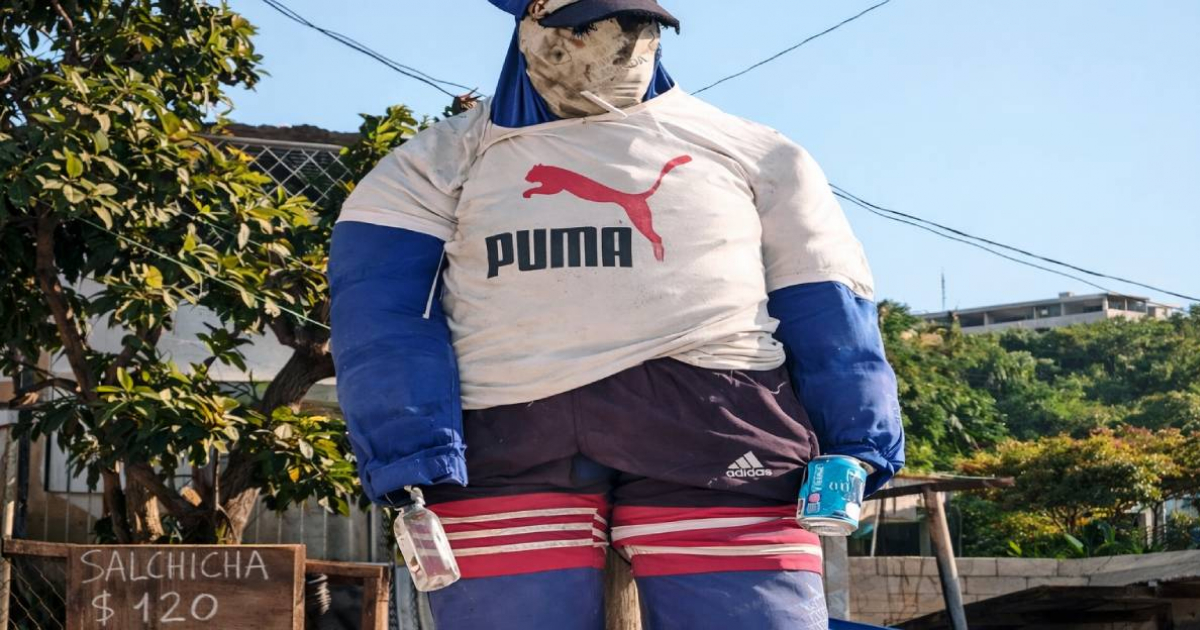
The tradition of burning the "Old Year effigy" has gained momentum in eastern Cuba, serving as a popular way for families and communities to bid farewell to the year and leave behind negative energies.
Once predominantly found in Havana's neighborhoods and other western areas, this practice is now spreading through the streets of eastern provinces. The local population is adopting, reinventing, and transforming it into a gesture of resilience, hope, and renewal.
Independent journalist Yosmany Mayeta Labrada reported that the "Old Year effigy" has evolved beyond being just a rag doll. It now symbolizes the social exhaustion following a challenging 2025, characterized by shortages, power outages, and a lack of opportunities.
"People take ownership of it, burning it as a way to say enough, to leave behind a year of hardship and pain, and to hope for something better in the new year," Mayeta explained.
This ritual, which has its roots in Latin American traditions but has been reinterpreted in the Cuban context, typically involves creating a doll from old clothes, paper, or sawdust. These effigies are often adorned with satirical or critical messages about the outgoing year. At midnight, they are set ablaze amidst cheers, music, and wishes for change.
Amidst the deep crisis gripping the nation, the burning of "Old Year effigies" has become a collective symbol of resistance and hope. While it remains a cherished tradition, it also represents a popular expression of the desire for renewal.
The Tradition and Its Significance in Cuban Culture
What is the significance of burning the Old Year effigy in Cuba?
Burning the Old Year effigy in Cuba is a symbolic act of leaving behind the difficulties and negative experiences of the past year. It represents a collective hope for a better future and serves as a form of social and cultural expression.
How has the tradition evolved in eastern Cuba?
In recent years, the tradition has gained popularity in eastern Cuba, with communities adopting and adapting it to reflect their unique circumstances. It has become a powerful symbol of resistance and hope amidst ongoing crises.
What materials are used to create the Old Year effigies?
Old Year effigies are typically made from old clothes, paper, or sawdust. They are often decorated with signs bearing satirical or critical messages about the past year.