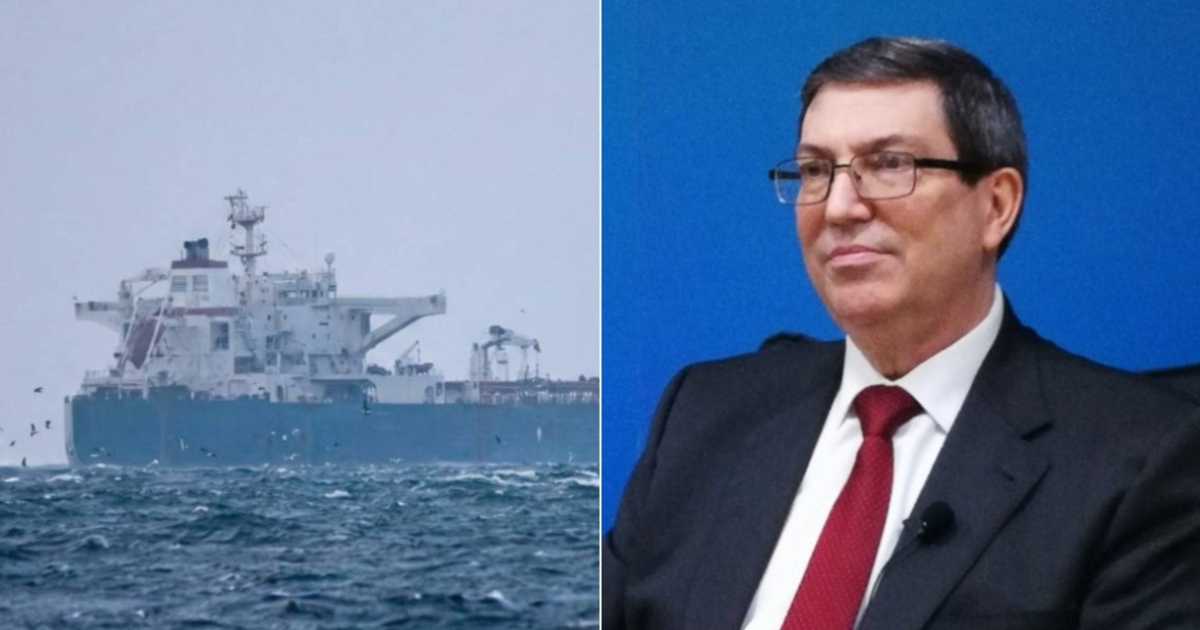
On Monday, Bruno Rodríguez Parrilla, the foreign minister of the Cuban regime, stated on X that the U.S. seizures of Venezuelan oil are having a profound impact on Cuba's national energy system.
"The U.S. government's actions to hinder the free trade of Venezuelan petroleum resources and target ships carrying fuel to Cuba are neither novel nor directly tied to the current military deployment in the Caribbean or the naval blockade against Venezuela," the diplomat remarked.
He further added, "These are part of a clear strategy to dismantle the Cuban Revolution, overthrow the legitimate Bolivarian and Chavista government, and forcibly seize the region's critical and strategic natural resources."
Rodríguez emphasized that these seizures have "a direct effect on the national energy framework and, consequently, on the everyday lives of our people."
The decline in crude shipments from Venezuela to Cuba amidst increased U.S. pressure on the so-called "ghost fleet" poses a significant question for Havana: Who will compensate for the fuel shortfall left by Caracas?
Experts consulted by EFE warn that if Venezuelan deliveries continue to dwindle, the repercussions for the island could be "catastrophic," especially amid prolonged blackouts, an economic crisis, and a scarcity of foreign currency to purchase oil on the open market.
The energy dependency was fortified with the Comprehensive Cooperation Agreement between Cuba and Venezuela in 2000, where Caracas compensated for Cuban professional services—primarily medical and educational, along with security and defense experts—with oil.
Although no official public data on volumes exists, specialists, including Arturo López-Levy, agree that shipments have decreased over the past decade due to a decline in Venezuelan production and U.S. sanctions.
This year, Venezuela, which once supplied 100,000 barrels daily, is estimated to have delivered an average of 27,000 barrels per day, according to the specialized service from Reuters, as cited by EFE.
The issue is exacerbated by the fact that, according to independent estimates, Cuba needed between 110,000 and 120,000 barrels daily this year. Of these, about 40,000 come from domestic production, with the remainder needing to be imported.
This gap manifests in daily life: power outages lasting up to 20 hours, halted industries, and long lines for fuel.
Impact of U.S. Oil Seizures on Cuba’s Energy Crisis
How do U.S. seizures of Venezuelan oil affect Cuba?
The seizures contribute to shortages in Cuba's national energy system, leading to prolonged power outages, economic challenges, and difficulties in obtaining necessary fuel imports.
What is the Comprehensive Cooperation Agreement between Cuba and Venezuela?
The agreement, established in 2000, involved Venezuela supplying oil to Cuba in exchange for Cuban professional services, such as medical and educational expertise.