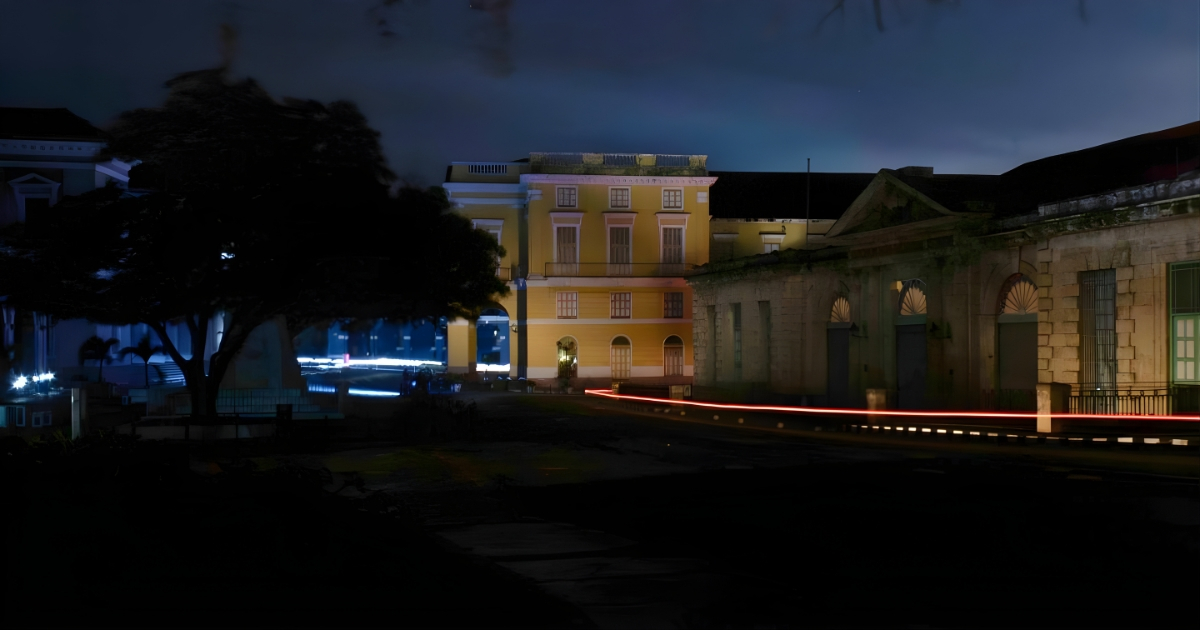
As 2025 draws to a close, Cuba is shrouded in darkness. After enduring a year marked by frequent power outages and a deepening crisis, the nation approaches the year's end with dwindling hope. Government pledges have faded away as millions of Cubans confront the festive season without electricity, lacking adequate food, and with a future that appears increasingly uncertain.
The year 2025 will be remembered as one of the darkest in the past decade. Power outages plagued nearly the entire country, with daily cuts exceeding 20 hours and a power generation shortfall surpassing 2,000 megawatts. Even the capital, Havana, was not spared, experiencing days with more than 12 hours without electricity.
Authorities have pointed fingers at outdated thermal power plants and fuel shortages, but Cubans are well aware that the issues run much deeper. Energy Minister Vicente de la O Levy acknowledged that it was an "extremely challenging and tense" year and cautioned that the disruptions would persist into 2026.
The electrical crisis has been compounded by an economic collapse. The dollar closed the year at around 435 pesos, the euro surged past 480, and the MLC hovered around 410 in the informal market. Inflation has driven up the prices of basic food items, pushing families to the brink of hunger. In Holguín, a sack of charcoal reached a staggering 1,400 pesos amid the wave of blackouts.
With wages stagnant, remittances and bartering have become the only lifelines. Each rise in the value of the dollar or euro not only reflects the currency's real worth but also the growing despair of a nation adrift economically.
Official rhetoric maintains that "to resist is to triumph," yet the public no longer buys into it. Social media is awash with criticism and sarcasm each time an official promises improvements. When Prime Minister Manuel Marrero announced over a billion dollars to repair the electrical system, the response was swift: "Either there are too many zeros, or too few megawatts," quipped a user.
While the state-run newspaper Granma celebrates "Revolutionary victories," most people see only more darkness. Social media has become the true barometer of the nation: a space where Cubans voice their fatigue, irony, and a deep-seated desire for change.
Cuba's blackout extends beyond electricity; it is also moral and political. Every night without power symbolizes an exhausted model, a system that has lost the energy and trust of its people. Yet, even amid the darkness, the solidarity and ingenuity of Cubans keep a flicker of hope alive. This flame, growing ever fainter, demands meaningful change before 2026 becomes merely the extension of another long night.
Understanding Cuba's Energy and Economic Crisis in 2025
What caused the prolonged blackouts in Cuba during 2025?
The blackouts were primarily attributed to outdated thermal power plants and fuel shortages, but many believe the issues are rooted in deeper systemic problems.
How has the economic situation affected Cuban families in 2025?
The economic crisis led to a sharp increase in the cost of basic food items, leaving many families struggling to afford essentials, with remittances and bartering becoming crucial survival strategies.
What has been the public's reaction to government promises of improvement?
The public has largely reacted with skepticism and sarcasm, as seen in social media discussions, doubting the feasibility of the government's promises for improvement.